If you’re considering starting a vacation rental in Kiyota Ward, Sapporo, one of the most critical questions is just how much revenue you can realistically expect—and which legal framework makes the most sense for your property. While Kiyota isn’t known as a major tourist destination, its convenient access to central Sapporo and its quiet residential character generate a certain level of steady demand. This article walks through the actual state of vacation rental demand in Kiyota Ward, revenue projections, differences between legal frameworks, and key points to watch out for when opening a rental.
Running a successful vacation rental business requires an accurate understanding of your area’s characteristics, combined with choosing the legal scheme and operating style that best fit your property. Use the information below as a practical reference as you plan your vacation rental launch in Kiyota Ward.
Area Demand Data That Shapes Vacation Rental Revenue in Kiyota Ward, Sapporo
Kiyota Ward sits in the southeastern part of Sapporo and has developed primarily as a residential area. While the ward is home to spots like Hiraoka Park and the Kiyota Sports Center, popular tourist destinations such as Susukino and Odori Park are roughly 20–30 minutes away via the nearest subway stations on the Namboku Line (such as Ōyachi or Shin-Sapporo). There’s a consistent flow of both international and domestic travelers who stay in Kiyota Ward as a base for sightseeing in central Sapporo—guests seeking affordability find real appeal here, even though nightly rates tend to run lower than in the city center.
Overall demand for accommodation in Sapporo remains strong, with the city maintaining over 6 million overnight guests annually as inbound tourism continues to recover. During peak seasons—summer sightseeing months and the winter ski season—hotel occupancy rates climb high enough that lodging shortages become a chronic issue. In Kiyota Ward, vacation rental nightly rates typically range from ¥6,000 to ¥12,000 (for 1–2 guests), with room to push higher depending on location and amenities. That said, since Kiyota lacks a major tourist draw of its own, occupancy tends to hinge heavily on location, pricing strategy, and how well the property is managed across booking platforms.
Revenue Projections by Property Type
Vacation rental revenue in Kiyota Ward varies significantly depending on the type of property—affecting everything from upfront investment to occupancy rates and average nightly rates. Below, we outline revenue benchmarks for three representative property types. These figures are reference points only; actual returns will depend on location, amenities, and management approach.
Understanding the characteristics of each property type—and choosing one that matches your available capital and preferred operating style—is the first step toward success as a Kiyota Ward host.
Condominiums (Owned or Rented)
Operating a vacation rental out of a condominium unit in Kiyota Ward is one of the easiest ways to keep upfront costs low. For subleased rental units, a studio or 1LDK with monthly rent of ¥50,000–80,000 is typical, and initial investment for interior setup, furniture, and appliances generally runs ¥500,000–1,000,000. A realistic occupancy target is 40–55% annually, with nightly rates commonly set at ¥7,000–10,000, translating to monthly revenue of roughly ¥150,000–250,000. After subtracting rent, utilities, cleaning fees, and other running costs, a realistic monthly profit lands around ¥50,000–120,000. That said, many condo management regulations prohibit vacation rental use outright, so it’s essential to confirm with the management association and property owner before proceeding.
Detached Houses
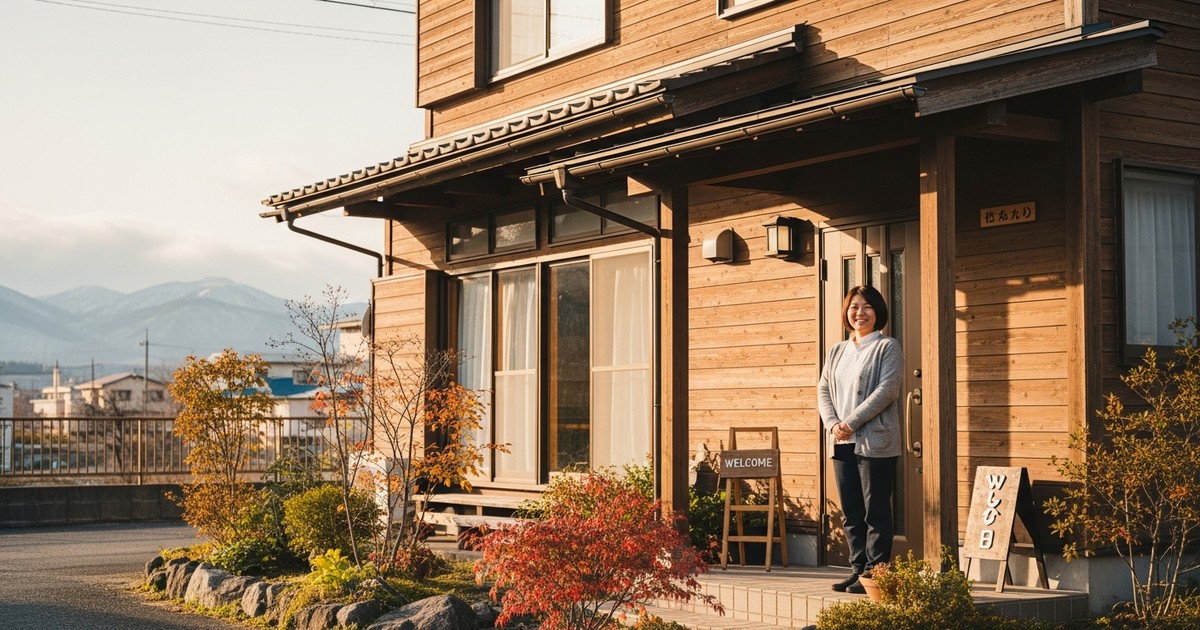
Detached houses offer strong revenue potential thanks to their ability to accommodate families and larger groups. Purchasing and renovating a used detached house in Kiyota Ward typically involves ¥15–30 million for property acquisition and ¥1–3 million for renovation work. On the upside, a property that sleeps 3–5+ guests can command nightly rates of ¥15,000–30,000, and even at a modest 40–50% occupancy rate, monthly revenue of ¥200,000–400,000 is achievable. After deducting cleaning and management costs, monthly profit typically falls in the ¥100,000–250,000 range. If you own the property outright, you’ll need to weigh this carefully against any mortgage repayment obligations—but as a long-term asset strategy, it’s an effective approach.
Traditional Houses (Kominka) / Whole-House Rentals
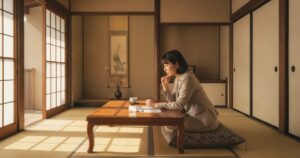
The area around Kiyota Ward has a scattering of older detached houses and former farmhouses, and some hosts have begun repurposing these as “kominka” (traditional house) vacation rentals. Renovation costs can run ¥2–5 million or more, but the unique, high-value guest experience these properties offer supports nightly rates of ¥20,000–40,000, and demand at this price point does exist. Occupancy rates tend to run lower—around 30–45%—but the premium pricing can offset this, with monthly revenue in the ¥150,000–300,000 range being realistic. Since older houses often require additional investment to meet seismic and fire safety standards, it’s important to conduct a thorough building inspection upfront and carefully calculate the total payback period before committing.
Differences Between the Minpaku Act, Hotel Business Act, and Special Zone Minpaku—and What Applies in Kiyota Ward
Which legal framework you choose to launch your vacation rental under will significantly affect your maximum operating days, required facilities, and where you need to file applications. Within Sapporo, including Kiyota Ward, three main frameworks are available: the “Housing Accommodation Business Act” (commonly known as the Minpaku Act), the “Hotel Business Act” (simple lodging category), and “Special Zone Minpaku” under the National Strategic Special Zones Act. Below is an overview of each, along with key points to watch out for.
Note that whether a given ordinance or zoning designation permits your application can vary case by case. We strongly recommend confirming directly with Sapporo City’s relevant department (public health center, building administration division, etc.) before finalizing your plans.
The Minpaku Act operates on a notification-based system and caps annual operating days at 180. Sapporo City has, in some cases, established ordinances restricting operations during off-peak periods in certain areas, so your property’s actual permissible operating days may vary depending on its location. The Hotel Business Act (simple lodging) has no cap on operating days, allowing full year-round operation—provided you install the required facilities and obtain the necessary permit. Initial costs can run several hundred thousand to over a million yen for fire safety and ventilation equipment, and prior consultation with the public health center is mandatory. Special Zone Minpaku is currently not a viable option, as Sapporo City has not been designated a National Strategic Special Zone. When choosing between frameworks, weigh your revenue goals, the structure of your property, and your operational capacity holistically.
Key Considerations When Launching a Vacation Rental in Kiyota Ward
Alongside preparing the necessary legal paperwork, being considerate of neighbors and carefully managing upfront costs are both essential when launching a vacation rental. In terms of the application process: under the Minpaku Act, you’ll need to file a notification with the prefectural governor (in practice, this means Sapporo City’s relevant department), and in many cases you’ll also need to select and contract with a licensed housing accommodation management business. Under the Hotel Business Act, the process starts with prior consultation at the public health center, followed by multiple steps including building code confirmation, fire safety equipment inspection, and permit application—so it’s common to budget 3–6 months to reach launch.
As for upfront costs: while the notification fee itself under the Minpaku Act is relatively low, once you factor in fire safety equipment (smoke detectors, emergency lighting, etc.), lock replacement or smart lock installation (¥30,000–100,000), bedding, towels, and amenities (¥100,000–300,000), and listing fees for booking platforms, total initial costs generally run at least ¥500,000–1,500,000. To prevent neighbor disputes, it’s wise to greet nearby households before opening and explain guidelines around trash disposal and noise. Since Kiyota Ward is a residential area, many residents tend to be particularly sensitive to noise and parking issues. Preparing house rules in both Japanese and English and walking guests through them carefully at check-in goes a long way toward ensuring stable, long-term operation.
Risks During Operation and How to Address Them
One unavoidable risk when running a vacation rental in Kiyota Ward is seasonal fluctuation. Sapporo’s tourist seasons are concentrated in summer (June–September) and winter (December–February), while demand tends to dip during spring and fall. Occupancy can drop into the 20% range during these off-peak months, so combining premium pricing during peak season with price adjustments during slow periods (discounts, multi-night incentives, etc.)—a dynamic pricing approach—is effective for stabilizing revenue. Listing on multiple platforms (Airbnb, Booking.com, etc.) is also a valuable tool for maintaining an average annual occupancy rate of 40% or higher.
You’ll also want a system in place ahead of time for handling cancellations and disputes. To minimize revenue loss from sudden cancellations, setting a “moderate” or stricter cancellation policy—and switching to a “strict” policy during peak season—is an effective approach. For guest-caused property damage, noise complaints, or neighbor disputes, make use of platform-provided insurance (such as Airbnb’s Host Guarantee) while also considering supplemental liability insurance (such as domestic vacation rental insurance). Sustaining consistently high guest ratings over time comes down to differentiating your hospitality—rigorous cleanliness, fast response times, and helpful local information—all of which drive long-term occupancy growth.
Talk to Stay Buddy About Launching or Improving Your Vacation Rental in Kiyota Ward
Stay Buddy Inc. is a specialized firm handling vacation rental management across Hokkaido, including within Sapporo City. We offer end-to-end support—from filing notifications under the Minpaku Act, to advising on Hotel Business Act permit acquisition, to managing your listings on platforms like Airbnb, to handling cleaning and guest communication. Drawing on our experience, we can also provide concrete advice on neighbor relations and managing conversations with condo management associations—particularly relevant when launching a rental in a residential area like Kiyota Ward.
Whether you already have a property but aren’t sure where to start, want a revenue simulation, or are already operating but struggling to boost occupancy, we’re happy to hear your situation during a free initial consultation. We’ll propose a revenue improvement plan tailored to your property’s characteristics and the competitive landscape in Kiyota Ward—so please don’t hesitate to reach out.
Running a successful vacation rental takes both careful pre-launch preparation and ongoing improvement once you’re up and running. Stay Buddy offers flexible support plans tailored to each owner’s goals. If you’re considering launching or improving a vacation rental in Kiyota Ward, Sapporo, we invite you to take advantage of our free consultation.