To accurately grasp the revenue potential of minpaku (private lodging) in Eniwa City, it’s essential to analyze both the area’s characteristics and its underlying demand structure. While Eniwa benefits from the geographic advantage of sitting between Sapporo and Chitose, it hasn’t yet established a strong reputation as a tourist destination—meaning that a poorly designed minpaku strategy carries real risk of underperforming your revenue projections.
This article breaks down the actual state of minpaku demand in Eniwa City using objective data and area characteristics, then walks through revenue simulations by property type, an overview of the relevant regulations, key considerations when opening, and ongoing operational risks. We’ve compiled this information to give anyone considering entering the minpaku market in Eniwa concrete material to base their decisions on.
Area Overview and Demand Data That Shape Minpaku Revenue in Eniwa City
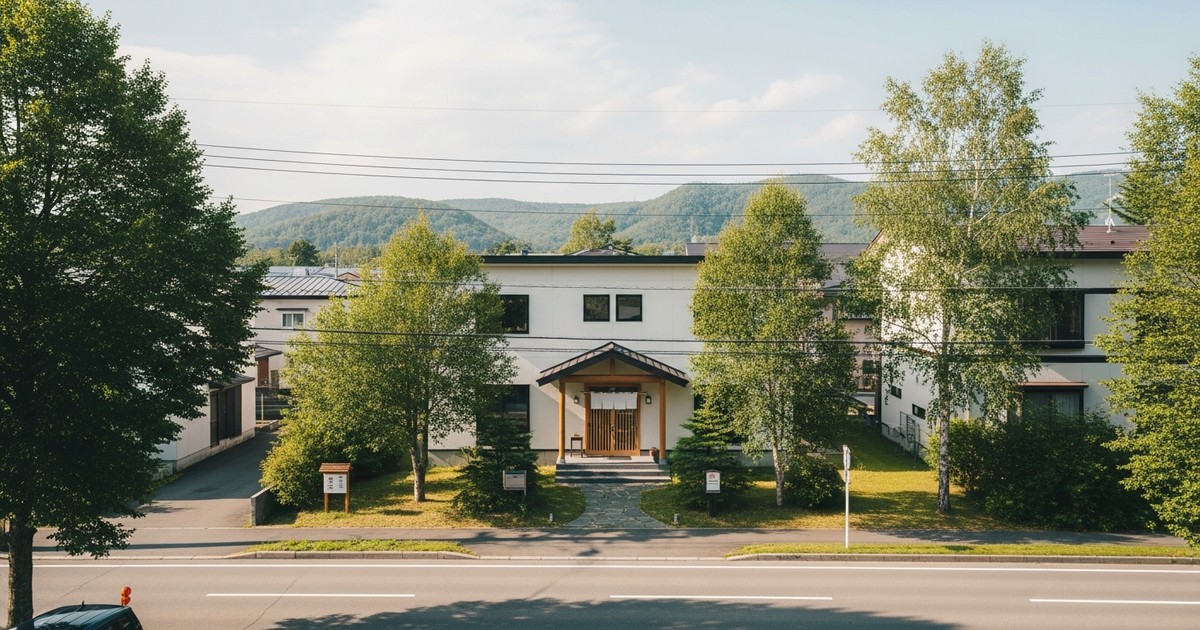
Eniwa City belongs to Hokkaido’s Ishikari Subprefecture and enjoys a prime location roughly 30km southeast of Sapporo and about 15km north of New Chitose Airport. With a population of approximately 69,000, it functions as a bedroom-community-style city home to a Self-Defense Forces base and factories operated by major manufacturers. The city has two JR Chitose Line stations—Eniwa and Emiuno—and the roughly 25-minute rapid-train connection to Sapporo Station is a major strength for capturing both business travelers and transit passengers.
On the tourism side, Eniwa’s main draws include Ecorin Village and the “Hanafuru” flower park, both part of the city’s “Town of Flowers” identity, along with the natural scenery of Eniwa Gorge. Given its proximity to New Chitose Airport—the gateway to Hokkaido tourism—there’s steady demand from passengers on early morning or late-night flights who need a place to stay before or after check-in. Typical nightly rates run about ¥4,000–7,000 for single occupancy and ¥10,000–18,000 per room for group stays. That said, demand is heavily concentrated in the peak tourist season (June through October) and around the winter snow festival period, and the gap versus the off-season can be substantial—something worth keeping firmly in mind.
Revenue Forecast Simulations by Property Type
When operating a minpaku in Eniwa City, initial investment, occupancy rates, and average nightly rates vary considerably depending on the type of property. Below we outline realistic figures for three representative property types. All estimates assume operation within the 180-day annual cap set by the Minpaku Shinpo (Private Lodging Business Act).
Condominium Units (Sectional Ownership or Rental Conversion)
Using a sectionally-owned condo unit built 10–20 years ago near Eniwa or Emiuno Station is the most accessible option. A realistic annual occupancy rate falls in the 55–65% range (roughly 99–117 nights out of the 180-day cap), with a nightly rate of ¥8,000–12,000 being achievable. Annual revenue typically lands around ¥800,000–1.4 million, but after deducting rent, management fees, cleaning costs, and OTA commissions (15–20% of sales), actual net profit often comes to around ¥400,000–800,000. Budget ¥300,000–600,000 for initial furniture, appliances, and bedding. Note that many condominium management regulations prohibit minpaku operations outright, so confirming this in advance is essential.
Detached Houses
Detached houses, common in the outskirts of Eniwa City, are well suited to targeting group travelers and families. Renting out an entire 3–4 LDK house can command a nightly rate of ¥15,000–25,000 in some cases. Expected occupancy sits at 45–55% (roughly 81–99 nights annually)—lower than condos depending on location—but the higher per-night rate means annual revenue can reach ¥1.2–2.5 million. Initial investment for interior renovation, furniture, and appliances often runs ¥800,000–1.5 million, with payback typically taking 1–2 years. Highlighting features like a yard or parking space can help differentiate your listing from competitors.
Kominka (Traditional Japanese Houses) and Rural-Style Properties
Eniwa’s rural areas and older neighborhoods also feature kominka-style properties. While these can offer a distinctive experiential appeal, they tend to require the largest renovation investment. Once you factor in insulation, seismic reinforcement, and plumbing/bathroom upgrades, initial costs can easily exceed ¥2–4 million. Nightly rates can be set high—¥20,000–35,000—but occupancy often stays in the 35–50% range, putting annual revenue at roughly ¥1.5–2.5 million. Hokkaido’s harsh winters also drive up heating costs sharply, so budgeting ¥50,000–100,000 per month in utilities is realistic. Payback periods of 3–5 years or more are common, so careful financial planning is essential.
Regulatory Overview and Application Points Specific to Eniwa City
Choosing the right legal framework is critical to operating a minpaku legally. Currently, three main systems govern minpaku operations in Japan: the Minpaku Shinpo (Private Lodging Business Act), the Ryokan Gyoho (Hotel Business Act, simple lodging category), and the National Strategic Special Zone minpaku system. For operations in Eniwa City, filing a notification under the Minpaku Shinpo is by far the most common route. While this law caps annual operating days at 180, it comes with a much lower administrative bar than obtaining a Ryokan Gyoho license, making it accessible even for first-time operators.
Obtaining a Ryokan Gyoho (simple lodging) license removes the operating-day cap, giving you more room to maximize revenue, but it requires meeting fire safety and ventilation standards, which significantly raises facility costs. As for the special zone minpaku system, please confirm directly with the municipality whether Eniwa City has been designated under the National Strategic Special Zone framework and whether it applies to your case. Regardless of which system you choose, Hokkaido and Eniwa City may impose their own additional ordinances or local rules, so we strongly recommend checking with Eniwa City’s relevant department individually before filing. Because many decisions come down to case-by-case circumstances, consulting an expert is often the fastest path to opening.
Key Considerations When Opening and a Realistic Guide to Initial Costs
For notifications under the Minpaku Shinpo, operators in Eniwa City must file with the Governor of Hokkaido. The typical process runs as follows: confirm the property (checking management regulations and lease agreements) → obtain a fire code compliance certificate → submit the notification to Hokkaido (via the Private Lodging Business Act’s online notification system). At minimum, residential fire alarms must be installed, and depending on the property’s size, emergency lighting and fire extinguishers may also be required. Processing typically takes 2–4 weeks from filing to acceptance, so build sufficient buffer into your opening timeline.
Typical initial cost items include: fire safety equipment installation and inspection (¥50,000–150,000), furniture, appliances, and bedding (¥300,000–1,000,000), OTA registration and photography costs for platforms like Airbnb and Rakuten Travel (¥30,000–100,000), and smart lock installation for remote check-in (¥30,000–80,000). Regarding neighborhood relations, greeting nearby residents in advance and sharing your contact information is the single most effective way to prevent future disputes. Clearly communicating house rules to guests—covering trash disposal and noise—also goes a long way toward avoiding friction with the local community.
Operational Risks and Strategies for Sustaining Occupancy
The biggest risk facing minpaku operations in Eniwa City is seasonal fluctuation. As is typical across Hokkaido, bookings cluster heavily around the summer tourist season (June–September) and part of winter (January–February, driven by skiing and snow festival demand), while occupancy drops sharply in March–May and November. It’s not unusual for off-season occupancy to dip below 20–30%, so it’s crucial not to overestimate peak-season revenue when building your annual financial plan. Offering discounted rates for mid-to-long-term stays (one week to a month) is an effective way to smooth out month-to-month revenue swings.
To manage cancellation risk, setting your OTA cancellation policy to “Strict” can help curb lost revenue from last-minute cancellations to some degree. That said, a strict policy can also reduce booking conversion, so switching to a more flexible “Moderate” policy during the off-season is a practical adjustment. To prevent guest complaints before they arise, consider sending a property walkthrough video before check-in and posting multilingual house rules that guests can easily reference right after entering. To maintain consistent cleaning quality, we recommend signing a monthly contract with a local cleaning company, which turns unpredictable ad-hoc costs into a fixed expense.
Considering Opening a Minpaku in Eniwa City? Talk to Stay Buddy
Stay Buddy Inc., a minpaku management company, provides end-to-end support across Hokkaido—from opening a minpaku to handling day-to-day operations. In a regional city like Eniwa, understanding the area’s unique characteristics and building your strategy around them is what ultimately determines profitability. Whether you’re wondering “which property type fits my situation” or “how far I can cut initial investment costs,” we’re happy to walk through your specific questions in a free consultation.
Stay Buddy handles everything from OTA listing optimization and pricing strategy to guest communication, cleaning coordination, and financial reporting—minimizing the workload for owners while maximizing occupancy. We’re especially well positioned to offer concrete, experience-based advice on demand trends around the New Chitose Airport area and strategies for managing seasonal fluctuation.
It’s fine even if you haven’t settled on a property yet. We’re happy to help with revenue simulations and property selection from the earliest stages, so please feel free to reach out. Let’s take the first step toward a successful minpaku business in Eniwa City together with Stay Buddy.