Leave Your Vacation Rental Management to the Experts
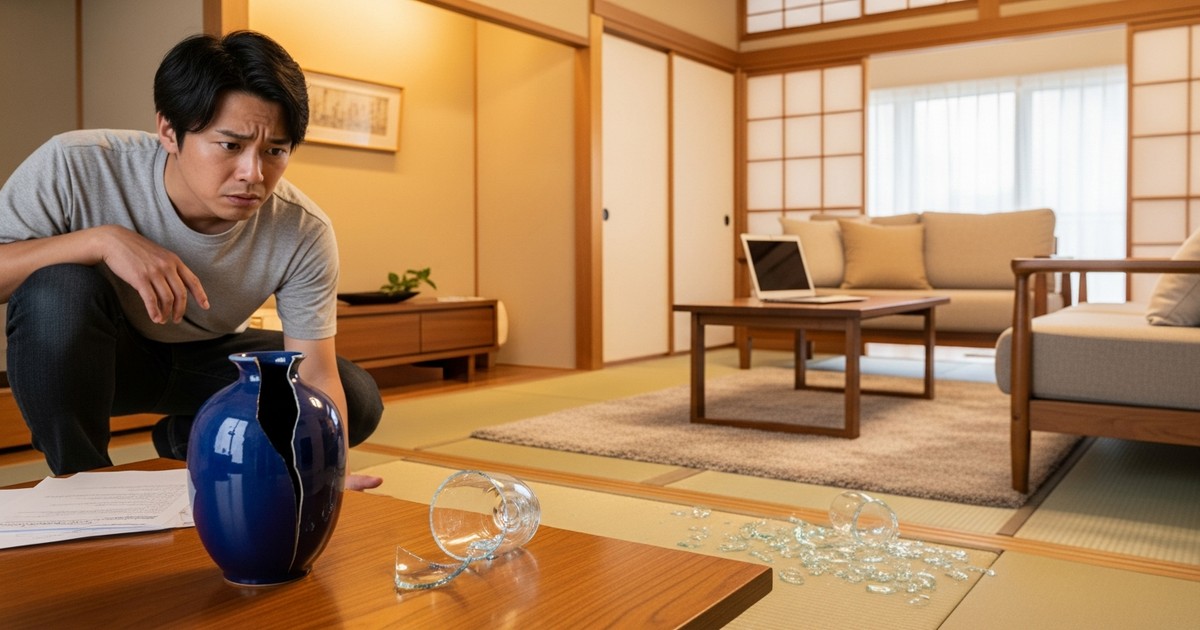
Free Online ConsultationIf you run a vacation rental long enough, sooner or later a guest is going to break something. Whether it’s a scuffed wall, a cracked TV, or a shattered set of dishes, property damage claims are one of the most common headaches hosts face — and if you don’t handle them the right way, you could end up footing the entire bill yourself.
In this article, we’ll walk through exactly what steps hosts should take when a guest damages property during their stay, along with a breakdown of how compensation programs work on major platforms like Airbnb and Booking.com. Let’s go through the actions you should take from the moment damage is discovered, so you can get the compensation you’re entitled to instead of just absorbing the loss.
Of course, protecting yourself from property damage isn’t just about how you respond after the fact — it’s also about how your overall operation is set up. If you’re feeling uncertain about your day-to-day guest management or property oversight, bringing in a professional property management partner is well worth considering.
The Basics of Property Damage and Compensation Claims in Vacation Rentals
Property damage in a vacation rental refers to any intentional or negligent harm a guest causes to the furniture, appliances, fixtures, or interior of a property during their stay. Legally speaking, guests are liable for such damage under Article 709 of the Japanese Civil Code (tort liability) or Article 415 (breach of contract). That said, ordinary wear and tear from normal use isn’t compensable — which is why it’s so important to have evidence showing the damage was caused intentionally or through negligence.
Compensation amounts are generally calculated based on whichever is lower: the current market value of an equivalent replacement item, or the cost of repair. For example, if a five-year-old TV gets broken, the claim should be based on its current secondhand market value — not the original purchase price. And if the item can simply be repaired, the actual repair cost becomes the ceiling for the claim, which is why keeping quotes and receipts is essential.
Immediate Steps to Take When Damage Occurs
Documenting the Damage and Preserving Evidence
The moment you discover damage, your first priority should be thorough documentation. Take photos of the damaged area from multiple angles on your smartphone, and make sure your device’s date settings are correct so the timestamps are accurate. Capture both close-up shots and wider context shots so the extent, depth, and circumstances of the damage are clear. Video is also useful, especially when damage spans multiple areas — a walkthrough video can be a huge help later when negotiating a settlement.
If you have “before” photos taken prior to check-in, comparing them against the current damage provides objective proof that it occurred during the guest’s stay. Even without before photos, combining post-checkout documentation with your communication records with the guest can help strengthen your case. Since evidence can’t be added or altered retroactively, the documentation you gather immediately upon discovery carries the most weight.
Contacting the Guest Promptly to Confirm the Situation
Once you’ve documented everything, reach out to the guest through the platform’s messaging system. Keep your tone factual and unemotional — something like, “After checkout, we noticed the following damage to [item]. Photos are attached for your reference” is far more effective than an accusatory message. Using the platform’s built-in messaging matters because it creates a documented record you can later use as evidence during a claim or dispute resolution process.
If the guest acknowledges the damage, you have two paths forward: settle directly (the guest pays for repairs themselves) or pursue compensation through the platform’s protection program. Even if the guest denies responsibility or simply ignores you, having a documented record of your attempt to contact them still serves as valuable groundwork if you need to escalate to a formal platform claim or legal action. As a rule of thumb, you should reach out to the guest within 48–72 hours of checkout.
Platform-by-Platform Compensation Programs and Claim Procedures
Airbnb’s “AirCover for Hosts”
Airbnb offers hosts protection through its “AirCover for Hosts” program, which covers guest-caused property damage up to $3 million USD (equivalent to several hundred million yen). Keep in mind, though, that Airbnb itself reviews and determines each claim, so the amount you’re awarded depends heavily on the quality of your application and supporting evidence. Coverable damage includes broken furniture, appliances, and interior fixtures, as well as excess cleaning costs — but cash, valuables, and pet-related damage are excluded.
Here’s how the claims process works: within 14 days of the guest’s checkout (or before the next guest checks in, whichever comes first), open the Resolution Center via the Airbnb app or website to file your claim. Upload photos of the damage, repair quotes, receipts, and a detailed description of the loss. Airbnb will then reach out to the guest, and if the guest doesn’t respond or pay within 72 hours, Airbnb takes over the review process. Decisions are typically issued within about 5–10 business days, and approved claims are paid out directly to your designated account.
Booking.com’s Compensation System
Unlike Airbnb, Booking.com doesn’t offer a comprehensive built-in host damage protection program as standard. Instead, the primary tool available to hosts is the security deposit set up in your property listing. This deposit is pre-authorized on the guest’s credit card before check-in, and if damage occurs, you can request that the amount be deducted. Hosts can set their own deposit amounts, and a typical benchmark is roughly 2–5 times the nightly rate.
When damage occurs, you’ll file a “damage report” through Booking.com’s Extranet after the guest checks out, attaching photos, quotes, and a detailed description of the loss. However, for damage that exceeds the deposit amount, Booking.com generally acts only as an intermediary, meaning you may ultimately need to negotiate directly with the guest or pursue legal action. If you operate through Booking.com, it’s essential to always set a security deposit and to be aware of the added risk when guests pay by methods other than credit card.
Other Platforms and Setting Your Own Deposit
Domestic platforms like Jalan and Rakuten Travel often lack any formal host damage protection program, which means direct negotiation with the guest is typically your only option. If you’re using these platforms, it’s important to clearly spell out your damage policy in your terms and conditions at the time of booking, and to establish a process for checking the property’s condition together with the guest at check-in. Having guests sign off on a property condition checklist gives you documented agreement on the pre-stay condition of the unit.
Regardless of which platform you use, setting an optional security deposit is always a solid strategy. For direct bookings (through your own website or a property management tool), spell out deposit terms in your rental agreement and require either a credit card hold or an advance transfer — this significantly reduces your risk of being unable to collect payment if damage occurs. A deposit equal to 1–2 nights’ stay is a common benchmark, though properties with high-value furnishings should consider setting it higher.
Next Steps When You’re Not Satisfied With the Platform’s Response
Sending a Formal Demand via Certified Mail
If you’re dissatisfied with a platform’s decision, or if you’re pursuing compensation directly from the guest without going through the platform, sending a certified content-proof letter (naiyo shomei yubin) is an effective option. This type of mail is officially certified by the post office, recording the content, sender, recipient, and date sent — creating an official record that you formally communicated your demand. The letter should clearly state the nature of the damage, the amount claimed, a payment deadline (typically 14–30 days), and your bank account details for payment.
If payment still isn’t made after sending this formal demand, pursuing a small claims lawsuit is a realistic next step. Small claims cases involving amounts of ¥600,000 or less can be resolved in a single hearing, making the process far less time-consuming and costly than a standard lawsuit — and individuals can file without a lawyer. Filing fees vary depending on the claim amount but are often just a few thousand to a few tens of thousands of yen, and a favorable ruling can be enforced if the guest still doesn’t pay. Hosts with strong, well-documented evidence have won favorable outcomes in small claims court in numerous cases.
Using Insurance Designed for Vacation Rental Operators
To protect yourself against damage that platform compensation programs or individual negotiations can’t fully cover, it’s worth considering dedicated vacation rental insurance. Well-known options in Japan include Nisshin Fire’s “Insurance for Those Who Rent Out Rooms” and Mitsui Sumitomo Insurance’s vacation rental plans, both of which cover a wide range of risks including intentional and negligent property damage caused by guests. Premiums vary depending on property size and coverage details, but many plans start at around ¥20,000–¥50,000 per year — a worthwhile investment for properties with high-value furnishings.
Filing an insurance claim still requires the same supporting documents — photos, quotes, and repair receipts. Some insurers also impose reporting deadlines (such as within 30 days of the incident), so it’s important to notify your insurer promptly as soon as damage is discovered. Carrying both AirCover and dedicated vacation rental insurance gives you a stronger, layered safety net.
Operational Practices to Prevent Property Damage Before It Happens
While filing a claim is about responding after the fact, it’s just as important to build operational habits that reduce the risk of damage occurring in the first place. Start by putting together a clear house rules guide that spells out expected guest behavior. Specific rules like “no eating in bed,” “please don’t move the furniture,” and “children should only eat at the dining table” — written in both Japanese and English, with guests asked to review them at check-in — go a long way toward raising guest awareness.
Setting a security deposit also functions as a deterrent in its own right. When guests know that damage will be deducted from their deposit, they tend to be noticeably more careful with furniture and equipment. Installing security cameras in shared areas (such as entrances or parking lots) also creates a record of comings and goings, which can help pinpoint exactly when damage occurred — just be sure to keep cameras strictly to exterior and common areas, since indoor placement raises serious privacy concerns. Choosing durable furniture and appliances where possible, and establishing a routine for replacing consumables, can also help minimize the financial impact if damage does occur.
Let Stay Buddy Handle Your Vacation Rental Trouble-Shooting
When it comes to property damage and compensation claims, how fast you respond and how solid your evidence is can make or break the outcome. But keeping up with day-to-day operations while also being ready to respond properly if something goes wrong is a heavy load for any individual host to carry. Stay Buddy Inc. specializes in full-service vacation rental management, providing end-to-end support that covers guest communication, complaint handling, cleaning management, and photo/documentation record-keeping.
Our services also include support filing platform claims when damage occurs, as well as assistance negotiating with guests directly — so hosts never have to handle these situations alone. Because our dedicated staff maintain thorough operational records on an ongoing basis, you’ll always have organized photos and logs ready to go if trouble does arise. In fact, we’ve heard directly from property owners who told us, “You handled our Airbnb claim for guest property damage, and we got the compensation approved” — real feedback that speaks to the value of having the right support in place.
If you have any concerns about running your vacation rental, please don’t hesitate to reach out to Stay Buddy. Our free consultation covers everything from an assessment of your current operations to building out a response process for when trouble occurs — with practical, tailored advice throughout. Take this as your first step toward putting property damage worries behind you and running your vacation rental with confidence.