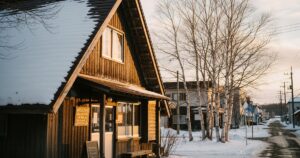
How much revenue can you realistically expect from a minpaku (private lodging) business in Shiretoko? What does the competitive landscape look like, and what regulations do you need to navigate? This article provides a thorough breakdown for anyone considering launching a minpaku in the Shiretoko area—covering everything from demand data and revenue forecasts to the regulatory points you need to watch out for. Because Shiretoko is one of Hokkaido’s premier destinations, home to a UNESCO World Natural Heritage site, entering the market strategically with accurate information is essential.
While Shiretoko draws visitors from both Japan and abroad, the number of accommodation facilities remains limited relative to the size of the area, meaning minpaku can play a meaningful role in meeting demand. That said, the region’s harsh natural environment and unique regulatory landscape make thorough research before opening absolutely essential. Below, we break things down into six sections for a detailed look at what you need to know.
Tourism Data Revealing Minpaku Demand and Revenue Potential in Shiretoko
The Shiretoko Peninsula sits in eastern Hokkaido, sandwiched between the Sea of Okhotsk and the Nemuro Strait, and was registered as a UNESCO World Natural Heritage site in 2005. Since then, visitor numbers from both Japan and abroad have continued to climb, with the Shari and Rausu areas reportedly welcoming around one million visitors annually. The peak tourist season runs from June through October, with steady demand also seen during the drift ice season from January to March. Visitors come for a wide range of experiences—brown bear watching cruises, walks around the Shiretoko Five Lakes, the Kamuiwakka hot waterfall, drift ice walks, and more—and this rich variety of experiential content helps drive consistent accommodation demand.
When it comes to accommodation supply, ryokan and hotels are concentrated in the Utoro Onsen area, while the Rausu side and the inland parts of Shari have relatively few options, making reservations hard to come by during peak season. Room rates vary significantly by season: expect roughly ¥15,000–30,000 per person per night during peak periods (July–August), and around ¥5,000–10,000 during the off-season. For minpaku operating as whole-house rentals, setting nightly rates of ¥30,000–80,000 is realistic, offering strong potential for high-yield operations targeting group travelers and families. Inbound demand also remains robust, with a growing trend of long-stay travelers from Europe, the U.S., and Asia providing an additional tailwind.
Revenue Forecasts by Property Type for Shiretoko Minpaku
When launching a minpaku business in Shiretoko, initial investment, occupancy rates, and profitability vary considerably depending on the type of property. Below, we walk through three representative property types with concrete figures.
Apartment/Condominium Type
A certain number of apartments and condominiums exist in the Shiretoko area, particularly in Utoro and central Shari. However, the overall supply is limited, making it genuinely challenging to find suitable properties to convert for minpaku use. Monthly rent typically runs ¥50,000–80,000, and initial costs—including deposit, key money, and renovation—generally total around ¥500,000–1,000,000. Occupancy rates often reach 70–85% during peak season (June–October) and drop to 20–35% during the off-season, averaging roughly 45–55% annually. Assuming a nightly rate of ¥20,000–35,000 per guest, annual revenue in the range of ¥1.5–2.5 million is a reasonable projection. After deducting fixed costs (rent, utilities, cleaning), net annual profit typically comes to around ¥600,000–1,300,000. Because the Minpaku Business Act (Private Lodging Business Act) caps operations at 180 days per year, thoughtful pricing strategy is key to maximizing returns.
Detached House Type
Operating a detached house in Shiretoko as a whole-property rental is popular among group and family travelers and offers strong potential for high-yield operation. Purchase prices vary widely by location and building age, but properties typically range from ¥10–30 million. Factoring in renovation costs of ¥2–5 million, total initial investment often falls between ¥12–35 million. Many operators aim for peak-season occupancy of 80–90% and an annual average of 50–60%. With nightly rates set at ¥50,000–80,000, annual revenue of ¥3–5 million or more is well within reach. Investments in amenities that showcase Shiretoko’s natural surroundings—such as saunas, BBQ decks, and wood-burning stoves—directly boost repeat bookings and positive reviews, making differentiation-focused spending well worth considering. Obtaining a Ryokan Business License (simple lodging category) removes the 180-day cap entirely, opening the door to even greater revenue potential.
Traditional Farmhouse/Rural Guesthouse Type
Vacant houses and traditional farmhouses (kominka) are becoming more common in the rural and fishing communities of Shari and Rausu, and repurposing them for minpaku offers a compelling way to stand out through rarity and experiential value. Renovation costs vary widely depending on the property’s condition, typically requiring an investment of ¥3–10 million. On the other hand, acquisition costs can be quite low—sometimes just a few hundred thousand to a few million yen through a local vacant house bank (akiya bank)—which can help keep overall initial investment down. Occupancy tends to start low until the property builds a reputation, often averaging 30–45% annually in the early stages. Nightly rates of ¥40,000–70,000 are achievable by bundling experience programs such as fishing, farming, or wildlife guiding. Annual revenue in the ¥1.5–3.5 million range is a realistic target, and once the business gains traction, word of mouth and repeat guests tend to drive stable income. Registering as a farm-stay lodging business under the agricultural/fishing experience lodging framework is also an option, though you’ll need to confirm specific requirements with your local municipality.
Regulatory Differences and Key Considerations for Opening a Minpaku in Shiretoko
When launching a minpaku business, there are essentially two regulatory frameworks to choose from: the Minpaku Business Act (Private Lodging Business Act) and the Ryokan Business Act (simple lodging category). The Minpaku Business Act operates on a notification-based system with a low barrier to entry, but caps annual operation at 180 days. While notification is generally submitted to the prefecture, individual municipalities within Hokkaido may impose additional restrictions through local ordinances, so be sure to check directly with the Shari or Rausu town offices. The Ryokan Business Act’s simple lodging license requires an application to the local health center and compliance with facility standards, but comes with no cap on operating days—allowing for full year-round operation. In tourist destinations like Shiretoko, many owners pursue a ryokan business license specifically to maximize revenue potential.
Note that the special zone minpaku system only applies to areas designated as National Strategic Special Zones, and whether Shiretoko qualifies needs to be evaluated case by case given the nature of the system. Additionally, if a property requires agricultural land conversion or falls within a natural park zone, separate permits may be necessary. Since national park regulations and nature conservation area restrictions can also come into play, we strongly recommend confirming details with multiple relevant authorities—the Ministry of the Environment, Hokkaido Prefecture, and the relevant town office. For legally complex matters, consulting a specialist such as a licensed administrative scrivener (gyoseishoshi) or minpaku consultant is well worth the investment.
Practical Considerations for Opening a Minpaku in Shiretoko
The first step in the permit application process is confirming the property’s zoning classification, building use, and compliance with the Building Standards Act. Under the Minpaku Business Act, you’ll file a notification with the prefecture (Hokkaido); under the Ryokan Business Act, you’ll need a preliminary consultation and application with the relevant health center. Installing fire safety equipment as required under the Fire Service Act—automatic fire alarms, emergency lighting, fire extinguishers—is also mandatory, typically costing ¥500,000–2,000,000 depending on the size of the property. As a realistic benchmark, total initial costs—including property acquisition, renovation, furniture and appliances, fire safety equipment, and application fees—should be budgeted at a minimum of ¥1.5–3 million or more.
Regarding relationships with neighbors, community ties matter greatly in a rural area like Shiretoko. Before opening, it’s important to introduce yourself and explain your plans to the local neighborhood association and nearby residents, and to clearly establish rules around garbage disposal, parking arrangements, and late-night noise—all of which contribute to stable, long-term operation. Given the high volume of international visitors, preparing multilingual house rules (in English, Chinese, Korean, etc.) is also an effective way to prevent misunderstandings. Additionally, since Shiretoko winters are extremely harsh, your opening preparations should also account for measures against frozen water pipes, adequate heating equipment, and a reliable snow removal plan.
Risks to Anticipate When Operating a Minpaku in Shiretoko—And How to Manage Them
The biggest risk in Shiretoko is the sheer scale of seasonal fluctuation. While occupancy climbs during the peak season (June–October) and the drift ice season (January–March), demand tends to drop off sharply during the shoulder months of April–May and November–December. Effective strategies for these slower periods include offering discount plans for long-term stays or remote workers, or pairing your listing with seasonal experience programs—such as spring wild vegetable foraging or autumn salmon fishing—to help sustain occupancy. Listing simultaneously across multiple OTA platforms (Airbnb, Booking.com, Rakuten Travel, etc.) is also important for diversifying your booking channels.
On the cancellation front, Shiretoko is prone to severe weather, road closures, and natural disasters, so maintaining a flexible cancellation policy helps preserve guest satisfaction. At the same time, setting a stricter cancellation policy on OTA platforms can be a reasonable safeguard against no-shows. Common operational issues include wildlife (brown bears, red foxes) getting into garbage, as well as guests failing to follow local nature-related rules. Providing a thorough explanation of Shiretoko’s nature guidelines at check-in, or preparing a printed checklist, can help prevent these issues before they arise. Given the remote location makes hands-on management difficult, partnering with a local management company or a full-service minpaku management provider is often the key to sustained, smooth operation.
Considering a Minpaku Launch or Revenue Boost in Shiretoko? Talk to Stay Buddy—Free Consultation
Launching a minpaku in Shiretoko lets you tap into the powerful brand appeal of a World Natural Heritage site, but the area also comes with its own set of unique challenges—regulatory complexity, seasonal demand swings, and the need to adapt to a demanding natural environment. If you’re unsure which licensing framework applies to your situation, want help building out a revenue forecast, or are looking for a partner to handle day-to-day operations after opening, we invite you to reach out to Stay Buddy Inc., a full-service minpaku management company.
Stay Buddy offers true one-stop support for every aspect of minpaku management—from permit application assistance and initial property setup to OTA listing management, reservation handling, guest support, and cleaning coordination. We’re well-versed in the unique challenges of operating in rural areas and have a growing track record supporting minpaku launches in destinations like Shiretoko. Our mission is to build a system where owners can generate revenue simply by owning a property, while we handle the rest.
Your first consultation is completely free. We’re happy to hear from you even if you’re still just exploring your options and haven’t settled on a property yet. We can start by helping with whatever you need most right now—whether that’s building a revenue simulation, walking through the basics of the regulatory landscape, or mapping out an opening timeline. If you’re interested in generating minpaku revenue in the Shiretoko area, please don’t hesitate to reach out to Stay Buddy Inc.