If you’re considering starting a vacation rental business in Rumoi City, questions like “How much revenue can I expect from a vacation rental in Rumoi City?” and “Which type of property is most efficient?” are crucial points to consider. Located on the Sea of Japan coast of Hokkaido, Rumoi City boasts tourism resources rooted in its rich natural environment and fishing culture, and in recent years, lodging demand—including inbound tourism—has been gaining attention.
However, starting a vacation rental business involves legal procedures and region-specific rules, and profitability varies greatly depending on the type of property. This article explains Rumoi City’s vacation rental market trends, along with revenue projections for condominiums, detached houses, and traditional Japanese houses (kominka), as well as the legal considerations you should know before opening.
Whether you’re considering vacation rental investment or already own a property, we hope you find this guide useful.
Area Overview and Demand Data Affecting Vacation Rental Revenue in Rumoi City
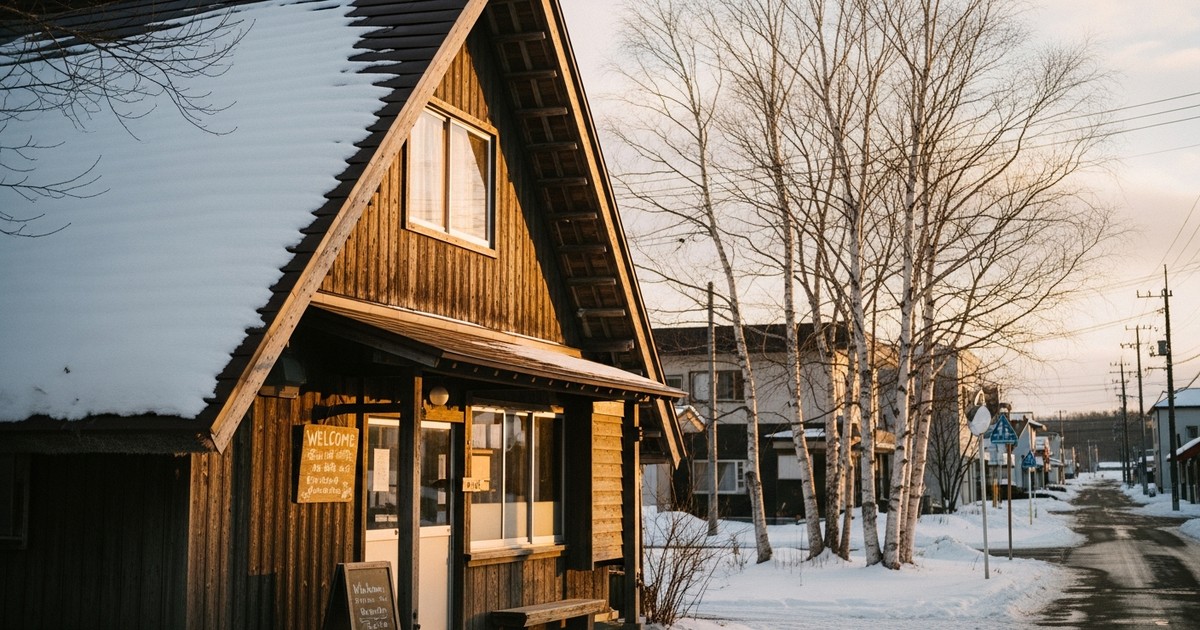
Rumoi City is located in northwestern Hokkaido and is a regional city with a population of approximately 20,000. As a port town facing the Sea of Japan, it’s famous for seafood such as octopus and herring roe, and the scenery around Konpira Point (Ogon Misaki) and Rumoi Port serves as a draw for tourists. It’s also known as one of Hokkaido’s premier sunset viewing spots, attracting photography enthusiasts and travelers alike. Additionally, the city functions as a gateway to the northern Hokkaido region, with a certain number of tourists stopping by on their way to Asahikawa or Wakkanai.
The number of lodging facilities in Rumoi City as a whole is smaller compared to urban areas, and during peak season (June to September), existing hotels and inns can become fully booked. Average lodging rates are around 5,000–8,000 yen per night for standard business hotels, and 8,000–15,000 yen for tourist-oriented facilities. Vacation rentals typically charge 6,000–12,000 yen per room, and tend to capture demand from families and small groups. Because the supply of lodging facilities is limited in this area, vacation rentals that offer differentiated services have the potential to secure stable occupancy rates.
Revenue Projections by Property Type
Vacation rental revenue varies significantly by property type in terms of initial investment, occupancy rate, and average price per guest. In Rumoi City, property acquisition costs are lower compared to urban areas, but attracting guests requires creative marketing efforts. Below, we present specific revenue models for three property types: condominiums, detached houses, and traditional Japanese houses (kominka).
Condominiums (Sectional Ownership/Rental Properties)
When using a condominium in Rumoi City for vacation rental purposes, it’s essential to first check whether vacation rental use is permitted under the building’s management rules. Since it’s a regional city, property acquisition costs are relatively low, with used sectional condominiums sometimes available for 5–10 million yen. If subletting a rental property, you’ll need to confirm the terms of the contract with the owner.
A realistic occupancy rate estimate would be 60–70% during peak season (summer) and 20–30% during the off-season (winter). Assuming an average price per guest of 8,000 yen per night and an annual average occupancy rate of 40%, monthly revenue would be approximately 96,000 yen (8,000 yen × 30 days × 40%). This translates to annual revenue of about 1.15 million yen. After subtracting expenses such as cleaning fees, platform commissions, and utility costs (roughly 30,000–40,000 yen per month), annual net profit typically ranges from 700,000 to 800,000 yen. If starting with a property purchase, it may take 7–10 years to recoup the initial investment.
Detached Houses (Standalone Homes/Vacant House Utilization)
Rumoi City is a typical example of a regional city with a rising vacancy rate, and properties can sometimes be acquired at low prices through vacant house banks (akiya banks). Some properties are available for under 1–5 million yen, and even including renovation costs, it’s often possible to prepare for opening within a budget of 10 million yen. Renting out an entire house is well-suited to meeting the needs of families and group travelers, and allows for higher pricing.
If you set the price per guest at 15,000–20,000 yen per night and assume an annual average occupancy rate of 35%, monthly revenue would be approximately 150,000–210,000 yen (for example: 17,000 yen × 30 days × 35% = approximately 178,500 yen). Annual revenue would total approximately 2–2.15 million yen, and after subtracting expenses (cleaning, management, utilities, reserve funds for repairs, etc., approximately 50,000–60,000 yen per month), annual net profit is expected to be around 1.3–1.45 million yen. While detached houses require initial renovation costs, investing in distinctive interiors and equipment can help attract high ratings and reviews, which in turn boosts occupancy rates.
Traditional Japanese Houses (Historic Buildings/Rural Fishing Village Homes)
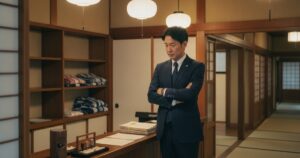
Around Rumoi City, there are scattered traditional houses (kominka) and old rural buildings that retain traces of the area’s former fishing village character. Vacation rentals using such properties have strong appeal for inbound travelers seeking experiential travel, as well as domestic travel enthusiasts. However, renovation costs—including seismic reinforcement and plumbing upgrades—can often exceed 2–5 million yen, so careful financial planning is essential.
The strength of kominka-style vacation rentals lies in their rarity and experiential value. In some cases, you can set a price per guest as high as 20,000–30,000 yen per night, making it easier to secure solid revenue even with lower occupancy rates. Assuming an annual average occupancy rate of 25–30%, monthly revenue would be approximately 150,000–220,000 yen. When accounting for depreciation of renovation costs and management fees, annual net profit typically ranges from 1–1.2 million yen, but with a unique concept and Instagram-worthy spaces, occupancy rates—and therefore revenue—can potentially increase further. We also recommend consulting with your local municipality about subsidies and relocation support programs as additional options.
Overview of Legal Regulations for Starting a Vacation Rental in Rumoi City
Vacation rental operations are broadly divided into three categories: the “Private Lodging Business Act” (Minpaku Shinpo), the “Hotel Business Act” (Ryokan Gyoho), and “Special Zone Vacation Rentals” (Tokku Minpaku). Each system has different requirements for notification/permits, maximum annual operating days, and facility standards, so it’s important to choose the system that fits your operating style. Note that Special Zone Vacation Rentals can only be used in areas designated as National Strategic Special Zones, so please check directly with the local municipality to confirm whether Rumoi City is included in the eligible areas.
Under the Private Lodging Business Act (Minpaku Shinpo), the maximum number of annual operating days is set at 180, and notification to the prefectural government is required. Since individual municipalities within Hokkaido may further restrict operating days through their own ordinances, we strongly recommend confirming the scope of Rumoi City’s specific ordinances with the city hall or the relevant Hokkaido government office. Under the Hotel Business Act (simple lodging category), there is no cap on annual operating days, allowing year-round operation, but the requirements for obtaining a permit (total floor area, facilities, fire safety compliance, etc.) are stricter, and prior consultation with the public health center is required before applying. Since the choice between these systems needs to be made on a case-by-case basis, we strongly recommend consulting with experts or government offices.
Specific Points to Note When Opening a Vacation Rental in Rumoi City
The typical process for opening a vacation rental involves first confirming the legal compliance of the property (zoning regulations, management rules), then deciding on the operating format (Private Lodging Business Act or Hotel Business Act). After that, you’ll consult in advance with the public health center or city hall, gather the necessary documents, and submit a notification or permit application. Since it can take anywhere from several weeks to several months from application to opening, it’s important to allow ample time in your schedule. As a rough guide for initial costs, budget 1–3 million yen for property preparation (renovation, furniture, appliances) and 200,000–500,000 yen for various application fees, supplies, and fire safety equipment.
Managing relationships with neighbors is also a critical factor in the success of your business. In a regional city like Rumoi, where community ties tend to be close-knit, greeting and explaining your plans to neighboring residents before opening can contribute to long-term operational stability. It’s important to establish clear house rules covering trash disposal, parking spaces, and late-night noise control, and to communicate these clearly to guests in order to prevent trouble before it occurs. Designating a manager who can respond in case of emergencies is also a legal obligation under the Private Lodging Business Act.
Anticipated Risks and Countermeasures When Operating a Vacation Rental in Rumoi City
Since Rumoi City is located on the Sea of Japan coast of Hokkaido, tourist numbers drop significantly during winter (December to March) due to snowfall and strong winds. This seasonal fluctuation is one of the biggest risks in vacation rental management, and it’s not uncommon for winter occupancy rates to fall to just 10–20%. Effective countermeasures include introducing winter-exclusive snow activity experience packages or meal plans featuring local ingredients to add value. Positioning your target market as “a stopover destination for travelers heading through northern Hokkaido” can also be an effective marketing strategy to boost year-round occupancy.
Preparing for cancellations and guest-related issues is also essential. Setting a strict cancellation policy for last-minute cancellations helps minimize revenue loss. Additionally, we recommend checking your platform’s compensation coverage for equipment damage or loss, and considering vacation-rental-specific insurance as needed. To consistently earn high ratings and reviews, thoroughly practicing fundamental hospitality—maintaining cleanliness, responding promptly to communications, and providing local area information—is key to sustaining long-term occupancy rates.
Consult Stay Buddy for Vacation Rental Startup and Revenue Optimization in Rumoi City
Stay Buddy Inc. is a specialized company that provides comprehensive support for property owners, ranging from assistance with permit applications related to vacation rental operations to day-to-day operational management, ensuring owners can run their vacation rental business with peace of mind. Starting a vacation rental in a regional area like Rumoi City can feel daunting to navigate alone, given the complexity of legal procedures and the challenges of attracting guests. At Stay Buddy, we propose optimal plans tailored to your property type and operating style.
Whether your property is a condominium, detached house, or traditional Japanese house, we provide comprehensive support—from initial cost simulations and revenue projections to ongoing operational management after opening. Our experienced staff also assist with preparing the documents required for permit applications and coordinating with government offices, so even first-time owners can get started with confidence.
Whatever stage you’re at—whether you have a property but aren’t sure where to start, have concerns about legal procedures and applications, or want to verify whether your business will be profitable—we offer free consultations for all inquiries. Please feel free to reach out via our contact form. Stay Buddy is committed to fully supporting you in maximizing your vacation rental revenue in Rumoi City.