For anyone looking to boost minpaku (private lodging) revenue in Toyohira Ward, Sapporo, this article brings together everything from local demand data and property-type revenue forecasts to legal regulations and the steps required to open. As inbound demand continues to rise across Hokkaido, let’s take a close look at what kind of returns you can realistically expect from a minpaku business in Sapporo, backed by concrete figures.
Toyohira Ward sits right next to Susukino, the heart of downtown Sapporo, and Nakajima Park, with excellent access via multiple stations on the Namboku and Toho subway lines. Beyond tourists, the area is well positioned to capture demand from business travelers and sports fans, which is why it’s increasingly drawing attention as a location for launching a minpaku business. In this article, we’ll walk through everything you need to know before opening, step by step.
Key Area Factors and Demand Data for Toyohira Ward Affecting Sapporo Minpaku Revenue
Hokkaido as a whole sees several million foreign overnight stays annually, and the vast majority of these visitors pass through Sapporo. Toyohira Ward is one of the more populous of Sapporo’s 10 wards and boasts multiple transit hubs, including JR Naebo Station and the Toyohira Koen and Hiragishi subway stations. Since it’s just one or two subway stops from Susukino and Nakajima Park, it’s well positioned to absorb overflow demand during peak seasons when downtown hotels fill up.
Typical nightly rates for minpaku properties in Toyohira Ward for single or double occupancy fall in the ¥6,000–¥12,000 range. Properties within walking distance of Nakajima Park or close to subway stations can command around ¥15,000 per night, with occupancy rates spiking significantly during ski season (December–March) and the summer tourism peak (July–August). Demand also rises during Golden Week and the autumn foliage season, meaning Toyohira Ward’s minpaku market benefits from multiple demand peaks throughout the year—a real strength for operators. Major attractions in and around the ward, such as Nakajima Park, Jozankei Onsen, and Mt. Moiwa Observatory (Hitsujigaoka Observation Hill), also help establish it as a convenient base for foreign travelers exploring the region.
Revenue Forecasts by Property Type
Minpaku revenue varies significantly by property type, depending on initial investment, occupancy rates, and average nightly rates. Below, we present revenue simulations for three property types—condos, detached houses, and traditional kominka homes—tailored to conditions in Toyohira Ward. In each case, please keep in mind that these figures represent take-home revenue after deducting management agency fees (typically 10%–30% of sales, depending on the company and scope of services outsourced).
Condominiums (Owned Units or Rental Sublease)
This is the most common minpaku property type in Toyohira Ward. Most operators use 1LDK to 2LDK units within a 10-minute walk of a subway station, often running them under a sublease scheme on properties renting for ¥50,000–¥80,000 per month. A realistic occupancy assumption is 55–65% annual average (exceeding 80% during peak season and dropping to 30–40% during the off-season), with nightly rates typically set between ¥8,000 and ¥10,000. Monthly revenue generally falls in the ¥120,000–¥180,000 range, and after deducting rent, utilities, cleaning fees, and platform commissions, monthly net profit typically comes to around ¥30,000–¥60,000. Budget roughly ¥500,000–¥1,000,000 for initial investment, covering furniture, appliances, supplies, and permit application costs. The payback period is generally around 1–2 years.
Detached Houses (Whole-House Rentals)
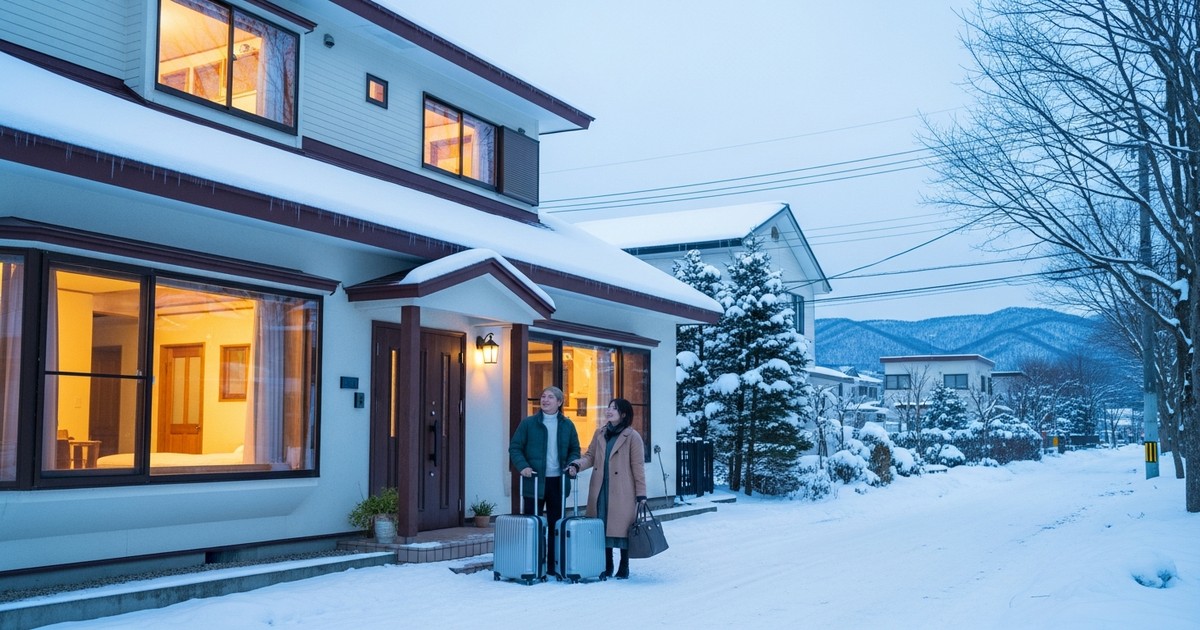
Toyohira Ward’s residential neighborhoods have many detached houses that are 20–30 years old, and renting these out as whole-house properties appeals strongly to families and group travelers. With 3LDK to 4LDK whole-house rentals, nightly rates of ¥20,000–¥35,000 are achievable, and since the per-booking value is high, revenue can accumulate even with a relatively lower occupancy rate. A realistic occupancy assumption is 45–55% annual average, with monthly revenue in the ¥200,000–¥300,000 range. Initial costs, including renovation and equipment, often run ¥1,500,000–¥3,000,000, so it’s safest to plan for monthly net profit in the ¥80,000–¥150,000 range. Ski season in particular sees strong demand from families and inbound group travelers, sometimes resulting in week-long booking stays.
Kominka and Renovated Traditional Homes
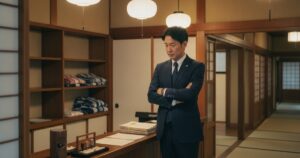
Toyohira Ward has a scattering of wooden homes built between the early and mid-Showa era, and renovating these can create a unique, experience-driven lodging option that stands out from the crowd. On platforms like Airbnb, these properties are popular with foreign travelers as a chance to experience “traditional Japanese living,” and some can command high nightly rates of ¥25,000–¥40,000. That said, kominka properties carry the risk of renovation costs ballooning to ¥3,000,000–¥6,000,000 or more for earthquake resistance, insulation, and facility upgrades, so a thorough property assessment beforehand is essential. Since occupancy depends heavily on marketing and appeal, it’s wise to conservatively assume 40–55% occupancy, with a realistic target of ¥100,000–¥200,000 in monthly net profit. Polishing the property’s story and design appeal tends to drive strong reviews, which in turn supports stable long-term revenue.
An Overview of Legal Regulations and How Minpaku Rules Apply in Toyohira Ward
When opening a minpaku business, there are generally two regulatory frameworks to choose from: the Private Lodging Business Act (the “minpaku shinpo,” or new minpaku law) and the Hotel Business Act (as a simple lodging facility, or “kan’i shukusho”). The minpaku shinpo caps operating days at 180 per year but offers a relatively simple registration process, making it easier to enter the market. The kan’i shukusho category under the Hotel Business Act has no cap on operating days, but comes with higher hurdles at the outset, including facility standards, fire code compliance, and health department permits. Note that special zone minpaku programs vary by municipality in terms of eligible areas and conditions, so please check directly with the City of Sapporo or the relevant public health center to confirm whether this applies in Toyohira Ward.
Sapporo does allow registration under the minpaku shinpo, but many condominium management associations prohibit minpaku use in their bylaws, so prior confirmation is essential for both owned units and rental properties. Additionally, in areas zoned exclusively for residential use, it may not be possible to obtain kan’i shukusho permits under the Hotel Business Act. Since the specific zoning designations and applicable ordinances need to be assessed case by case, we strongly recommend consulting with the relevant government office or a specialist.
Key Considerations and Estimated Initial Costs When Opening
When registering under the minpaku shinpo, the typical process involves: ① confirming the property’s legal eligibility (zoning and management association bylaws); ② installing and verifying fire safety equipment; ③ preparing and submitting the required registration documents to the Governor of Hokkaido (or the delegated municipal office); ④ listing the property on platforms such as Airbnb or Rakuten STAY; and ⑤ setting up operational systems for cleaning, key handover, and emergency contact response. If pursuing kan’i shukusho status under the Hotel Business Act, you’ll also need to apply to and undergo an on-site inspection by the public health center, and should plan for roughly 2–3 months to obtain the permit.
For a single condo unit, a realistic estimate for initial costs would be ¥300,000–¥500,000 for furniture, appliances, bedding, and consumables; ¥100,000–¥300,000 for fire safety equipment (such as automatic fire alarms and emergency lighting); and ¥50,000–¥150,000 for application agency fees, bringing the total to roughly ¥500,000–¥1,000,000. As for neighborhood relations, it’s crucial for long-term success to greet and explain your plans to nearby residents and the management association before opening, and to put trash disposal rules and late-night noise policies in writing so they can be shared clearly with guests.
Operational Risks and Strategies for Stable Occupancy
One of the biggest risks to watch for when running a minpaku business in Toyohira Ward is seasonal fluctuation. While occupancy tends to concentrate during ski season (December–March) and the summer tourism peak (July–August), it can drop into the 30% range during the spring and autumn shoulder seasons. To smooth out this variability, it helps to offer monthly plans aimed at business travelers and long-term guests, or to use dynamic pricing tied to nearby events, such as concerts or sporting events at Sapporo Dome.
To manage cancellation risk, the basic approach is to set your platform’s cancellation policy to “strict” or “moderate” to minimize revenue loss from last-minute cancellations. It’s also important to prepare thoroughly for guest issues (noise complaints, property damage, trash disputes) by clearly communicating house rules to guests in advance and maintaining reliable contact with your cleaning company and key management provider—this forms the foundation of stable operations. To build strong reviews and secure repeat bookings, providing solid Wi-Fi, well-stocked amenities, and a multilingual guest guide goes a long way; maintaining a rating of 4.5 or higher tends to boost your visibility in search results.
Free Consultation and Inquiries with Stay Buddy
Stay Buddy Inc., a minpaku management company, offers comprehensive support for opening and operating minpaku businesses throughout Toyohira Ward, Sapporo, and the wider Hokkaido region. From property selection and legal procedure confirmation to listing creation, pricing, cleaning arrangements, and guest support, we handle it all—which is why owners looking to start a minpaku business as a side income while keeping their main job can rely on us with peace of mind.
We’re happy to answer questions like “How much could I earn if I started a minpaku business with my property?” or “I’m not sure which regulatory framework I should use.” Just send us your property details, and we’ll put together a free revenue simulation for you. Our staff, who know the Toyohira Ward market inside and out, will propose the operating plan that best fits your situation.
To get started, simply book a free consultation through our contact form or by phone. Whether you’re still sorting out questions before opening or you’re already operating and looking to improve occupancy, we’re here to help across the board. As your partner in maximizing minpaku revenue, Stay Buddy is fully committed to supporting your success in Toyohira Ward.