Leave Your Vacation Rental Management to Us
100% Free Online ConsultationInitial investment and payback period are usually the first hurdles anyone considering a vacation rental (minpaku) business has to face. From acquiring and renovating a property to furnishing it and securing the right permits, launching a minpaku involves a surprisingly wide range of costs. This article breaks down the initial investment required to start a minpaku business item by item and walks through realistic payback simulations, giving you the information you need to make a sound investment decision.
Many people jump in thinking “I’ll just rent out a room and make money,” only to be blindsided by unexpected expenses or disappointing occupancy rates. Understanding the cost structure upfront and building a solid financial plan is the first step toward running a stable, profitable minpaku business.
The Big Picture: Costs That Determine Your Investment and Returns
The initial costs of launching a minpaku business generally fall into four categories: “property acquisition and renovation,” “furniture, appliances, and supplies,” “licensing and permit fees,” and “platform registration and launch preparation.” The total varies significantly depending on whether you own the property or rent it, but as a general guideline, expect around ¥1–3 million for a single condo unit, and ¥3–7 million or more for an entire standalone house.
To get a realistic sense of scale, you first need to clarify which launch style fits your situation. Whether you’re using a property you already own, subleasing a rented unit, or purchasing a new property to enter the business, the nature of your initial investment will differ significantly depending on your starting point. Let’s walk through the main cost categories one by one.
Breaking Down the Initial Investment
Property Acquisition, Deposits, and Agent Fees
If you’re renting a property to operate as a minpaku, you’ll first need to cover the security deposit, key money, and agent’s commission. For a typical 1LDK–2LDK condo unit in an urban area with monthly rent of ¥100,000–150,000, expect to pay roughly ¥400,000–600,000 upfront, covering two months’ deposit, one month’s key money, and one month’s agent fee. If you’re purchasing a property outright, you’re looking at an investment in the millions of yen, which means financing plans need to be part of your overall budget from the start.
Keep in mind that lease agreements intended for minpaku use are generally harder to negotiate than standard residential leases. Getting the landlord’s approval and finding a property explicitly marked “minpaku OK” can take considerable time and effort. If you’re searching specifically for a minpaku-friendly property, be prepared to factor in consultation fees with real estate agents and the cost of multiple rounds of negotiation.
Interior Design and Renovation Costs
Interior quality has a direct impact on your booking rate, so it’s a crucial area to invest in. For an older property, simply replacing wallpaper and flooring and renovating the plumbing can cost ¥500,000–1,500,000. If you’re going for a design-forward aesthetic—Instagram-worthy interiors or a modern Japanese theme—expect an additional ¥1,000,000–2,000,000 on top of that.
On the other hand, if you own a well-maintained property or are renting a newer unit, you may be able to launch with just a cleaning and a fresh coat of paint, keeping renovation costs to as little as ¥100,000–300,000. Since renovation costs can vary enormously, the right approach is to first define the guest experience you want to offer, then build your budget around that concept.
Furniture, Appliances, and Supplies
The essential items you’ll need for a minpaku include beds and bedding, a TV, refrigerator, microwave, washing machine, air conditioner, Wi-Fi router, cookware, tableware, and towels. Furnishing a 1LDK unit from scratch using stores like Nitori or IKEA typically costs ¥300,000–600,000, while opting for higher-end furniture can push that up to ¥800,000–1,200,000.
Smart locks (automated key-management systems), essential for unattended check-in, cost around ¥20,000–50,000 per unit. If you add security cameras or noise sensors, budget an extra ¥30,000–100,000. Since supplies wear out over time, be sure to factor in ongoing replacement costs as part of your operating budget, not just the initial purchase.
Licensing and Permit Costs
The permits you need depend on your business model. For registration under the Private Lodging Business Act (the “minpaku law”), expect to pay a certified administrative scrivener (gyoseishoshi) roughly ¥30,000–80,000, plus ¥50,000–150,000 for fire safety equipment installation and inspection. If you operate as a simple lodging house under the Hotel Business Act, the fire safety and public health requirements are much stricter, and construction costs alone can push total expenses to ¥200,000–500,000 or more.
If you’re operating out of a condominium, you’ll also need to check with the building’s management association and review the management regulations—and in some cases, a general meeting vote may be required to amend those regulations, adding further costs. Since the process from application to approval can take several months, don’t forget to factor in the opportunity cost of earning zero income during that waiting period.
Platform Registration, Photography, and Initial Marketing Costs
Registering with Airbnb or Booking.com is free, but since listing photo quality has a major impact on occupancy rates, many hosts hire a professional photographer. Photographers specializing in vacation rentals typically charge ¥30,000–80,000 per session. If you outsource translation of your listing copy (Japanese to English), expect an additional ¥10,000–30,000.
Since new listings start with zero reviews, a common strategy is to price 10–20% below market rate to attract your first few guests and build up reviews. This “introductory discount period” represents a real opportunity cost, so it’s wise to budget for roughly two to three months’ worth of discounted revenue (around ¥10,000–30,000 per month).
Initial Cost Estimates by Launch Style
Using a Condo Unit You Already Own (Lowest Cost Option)
If you already own a condo unit, your property acquisition cost drops to zero, letting you focus your budget on renovation, furnishing, and licensing. In this scenario, a realistic total comes to roughly ¥850,000–1,750,000: ¥300,000–800,000 for renovation, ¥500,000–800,000 for furniture and appliances, and ¥50,000–150,000 for permits and applications.
That said, many condo management regulations explicitly prohibit minpaku operations, so checking the terms of use should be your top priority before doing anything else. Operating a minpaku without the management association’s approval carries the risk of being forced to shut down, so make sure to confirm everything thoroughly before you begin.
Renting a Property to Launch (Mid-Range Investment)
When renting a property for minpaku use, the initial move-in costs of ¥400,000–600,000 are added to renovation and furnishing expenses, bringing the typical total to around ¥1.5–2.5 million. Additionally, since monthly rent (¥100,000–200,000) becomes a fixed cost, low-occupancy months can quickly eat into your profits and lead to losses that accumulate over time.
Renting gives you a way to operate with leverage, but it also comes with higher vacancy risk. If your monthly occupancy rate falls below 50%, you may struggle to even cover rent, making location and pricing strategy absolutely critical. Choosing a location where you can realistically expect at least 60% occupancy is a baseline requirement for success.
Purchasing a Standalone House (Large-Scale Investment)
If you purchase a standalone house to operate as a minpaku, the property acquisition cost alone can run ¥20–50 million (though it’s possible to find options in the ¥10 million range depending on the area), plus ¥2–5 million for renovations and ¥1–2 million for furnishings and equipment. Given the scale of investment, the payback period often stretches to 10–20 years or more, so this decision requires a business plan built with a real estate investment mindset.
That said, a standalone house can accommodate more guests, which opens the door to higher-value bookings from groups and families. With strong occupancy, annual revenue can exceed ¥2–4 million. It’s also worth considering the eventual resale value of the property and building your financial projections around a clear exit strategy.
Payback Period Simulation for Minpaku Investment
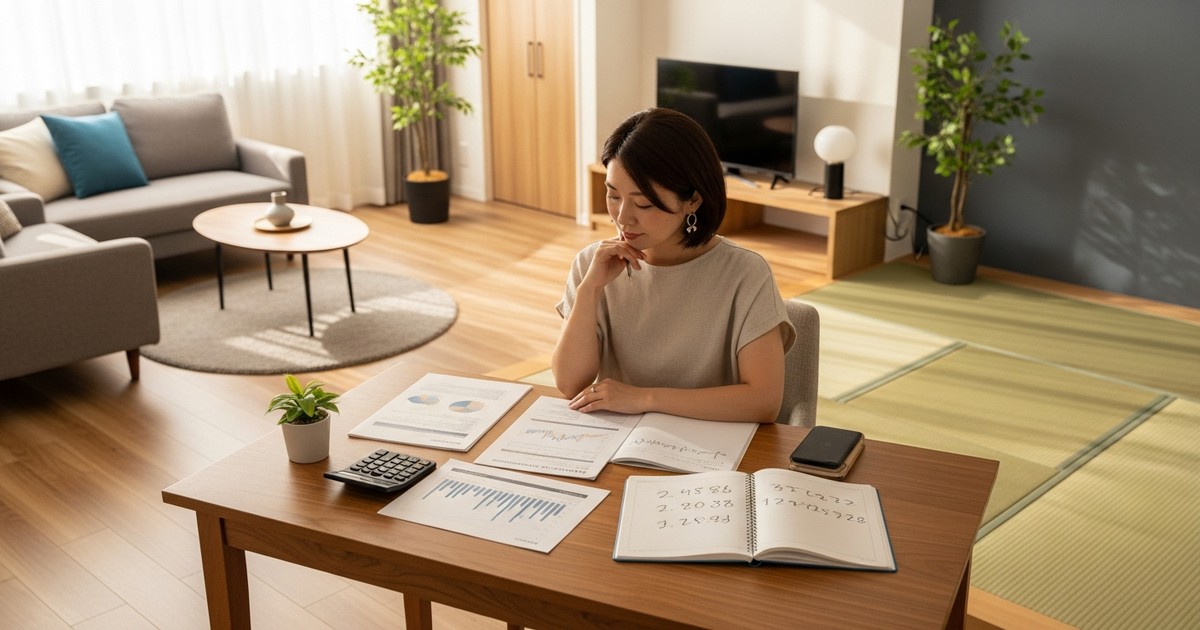
The payback period for your initial investment can be calculated using three factors: monthly revenue, operating costs, and total initial investment. Let’s say you rent a 1LDK condo with ¥2 million in initial costs, ¥120,000 monthly rent, and ¥30,000 in monthly operating expenses (cleaning, supplies, platform fees)—that’s ¥150,000 in total monthly fixed costs.
If you charge ¥8,000 per night and achieve a 65% occupancy rate (about 20 nights per month), monthly revenue comes to ¥160,000, leaving a net monthly profit of roughly ¥10,000. At that pace, recovering your ¥2 million initial investment would take about 200 months—roughly 16 years, by simple calculation. To bring the payback period down to under five years, you’d need to hit 75–80% occupancy and an average nightly rate of ¥10,000 or more simultaneously—a combination that demands both a strong location and excellent operational quality.
In popular urban areas like Osaka, Kyoto, or Tokyo, achieving ¥12,000–15,000 per night with 75% occupancy brings monthly revenue to ¥270,000–340,000, with net monthly profit of roughly ¥120,000–190,000. At that rate, your ¥2 million initial investment would be recovered in about 11–17 months—a genuinely realistic timeframe. In other words, choosing the right location and setting the right price point are the biggest levers for shortening your payback period.
Practical Strategies to Shorten Your Payback Period
Differentiation Strategies to Raise Your Average Nightly Rate
Raising your nightly rate hinges on having a distinctive property and a clear concept. Positioning your listing around a specific need—a “whole-house rental with modern Japanese design,” a “long-stay plan built for remote work,” or a “pet-friendly standalone house”—lets you avoid price competition altogether and often supports a premium of ¥2,000–5,000 per night. Earning Airbnb’s “Superhost” status can also help you secure bookings even at prices 15–20% above the area average.
Improving photo quality, carefully managing reviews, and refining the check-in experience are all ways to boost your nightly rate with virtually no added cost. These are practical, low-investment steps worth tackling first if you want to increase profitability without inflating your initial budget.
Optimizing Reservation Management to Boost Occupancy
To improve occupancy, a multi-listing strategy—simultaneously listing on Airbnb, Booking.com, Jalan, and other platforms—is highly effective. A channel manager tool (typically ¥5,000–20,000 per month) lets you manage multiple sites from a single dashboard while preventing double bookings. Some hosts have reported occupancy improvements of 10–15% from this step alone.
Dynamic pricing—automatically adjusting rates for weekends, holidays, and peak seasons—is another effective tool. Dedicated pricing software (around ¥10,000–20,000 per month) can automate rate adjustments based on demand, and many hosts have seen annual revenue increase by 10–20% as a result. Optimizing both occupancy and nightly rate together is the fastest route to shortening your payback period.
Building Systems to Control Operating Costs
Cleaning is typically the largest single operating expense in a minpaku business, costing ¥5,000–15,000 per turnover. At 20 cleanings a month, that adds up to ¥100,000–300,000 in monthly costs, so negotiating rates with your cleaning company or bundling multiple properties under one contract can make a real difference. Actively welcoming long-stay guests (one week or more) is another effective way to reduce cleaning frequency and cut costs.
Setting up smart-lock systems for unattended check-in also reduces the labor and transportation costs associated with in-person guest handling. If you outsource management to a vacation rental management company, expect to pay 20–30% of revenue in fees—but if your own time and resources are limited, this can still work out to be the more cost-efficient option overall.
Have Questions About Your Investment and Payback Plan? Let’s Talk.
The initial investment and payback period for a minpaku business vary enormously depending on the type of property, its location, and your operating style. Questions like “how much will this cost?” and “how many years will it take to pay off?” can only be answered accurately once you run the numbers using real property information and local demand data. Relying on rough estimates alone can leave you facing an unpleasant surprise after you’ve already launched.
At Stay Buddy Inc., we provide end-to-end support for vacation rental management—from cost simulations before you launch, to permit application assistance, to marketing and operational management after you open. We’re happy to talk with you even if you haven’t settled on a property yet, and we’ll offer specific advice tailored to your exact situation.
We have extensive know-how on minimizing upfront costs while accelerating your return on investment, and we’ve already helped numerous owners successfully launch and run their properties. If you’re considering starting a minpaku business, we’d love to hear from you first. Free consultations are available.
Feel free to reach out through the official Stay Buddy Inc. website. We’ll work through your questions and concerns about initial investment and payback planning together, and help guide your minpaku venture toward real, sustainable success.