When considering real estate investment, many people focus solely on location and yield, but in recent years, a new option called “Tokku Minpaku” (Special Zone Private Lodging) has been attracting increasing attention.
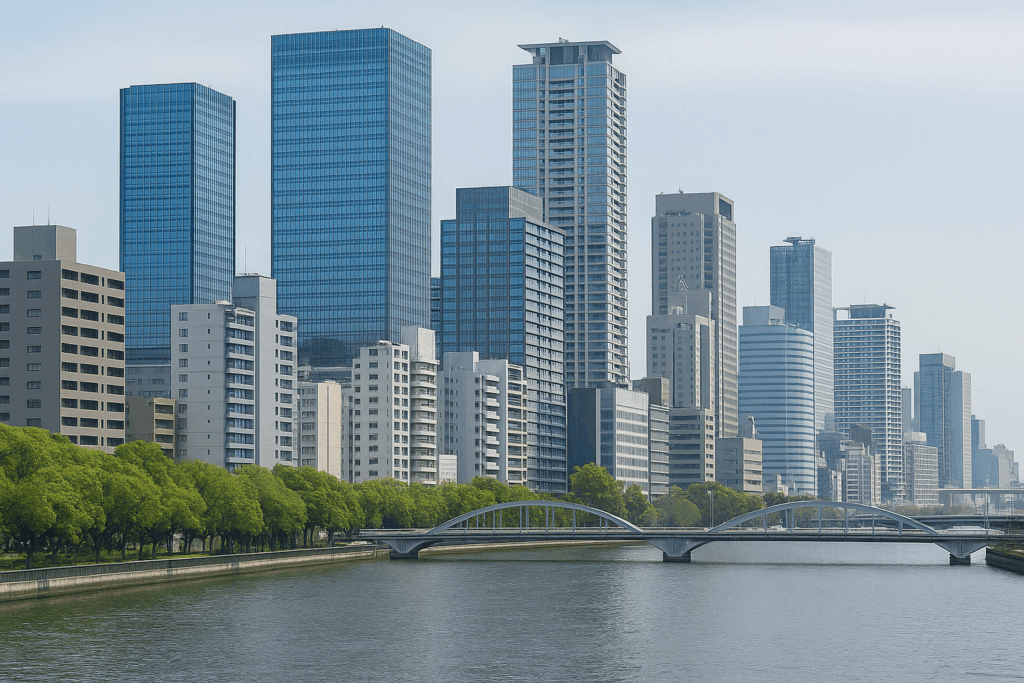
Osaka City, in particular, is a vibrant city where inbound demand continues to rise, welcoming a steady stream of tourists and business travelers throughout the year. There’s a growing consensus that operating properties as Tokku Minpaku in Osaka City can deliver both high occupancy rates and strong profitability.
So what sets it apart from standard rental management or hotel operations? What are the unique advantages and points of caution specific to Tokku Minpaku? In this article, we’ll thoroughly explore the appeal and potential of combining “real estate investment × Tokku Minpaku” in Osaka City. In particular, its distinct regulatory framework compared to standard minpaku (private lodging business) operations—and the absence of an annual operating day limit—make it a standout option for real estate investors.
1. What Exactly Is “Tokku Minpaku”?
When people hear “minpaku,” the first thing that comes to mind is usually the Private Lodging Business Act (the “Minpaku Act”). However, Tokku Minpaku is a system that has been in operation even longer, allowing each municipality to establish its own standards. While the standard Minpaku Act imposes a 180-day annual operating limit, Tokku Minpaku can, in many cases, be operated without this restriction—meaning properties can effectively accept guests year-round.
Osaka City has been designated a National Strategic Special Zone, and properties within the city that meet certain requirements can obtain approval to operate as Tokku Minpaku. Specifically, strict standards are set for fire safety and sanitation, meaning more careful attention to safety is required compared to an ordinary residence. That said, this trade-off makes it easier to achieve sustained, long-term high occupancy, making it an appealing option for investors.
2. The Benefits of Starting a Tokku Minpaku Business in Osaka City
2-1. No 180-Day Annual Limit
Under the standard Minpaku Act, the number of days a property can be used for guest accommodation is capped at 180 days per year. This means operators may need to scale back operations during peak seasons or major events. With a properly licensed Tokku Minpaku property, however, you can operate year-round without this 180-day restriction. This gives you the advantage of ramping up operations during high-demand seasons to maximize revenue.
2-2. Capturing Inbound Demand Without Missing a Beat
Osaka City enjoys a strong reputation as a tourist destination on the global stage, home to countless attractions such as Dotonbori, Universal Studios Japan (USJ), and Umeda Sky Building. Combined with the convenience of Kansai International Airport and excellent transportation links, the city continues to draw a steady stream of international tourists and business travelers. By operating a property as Tokku Minpaku, you can expect to consistently attract overseas guests throughout the year.
2-3. High Earnings Potential
Compared to a standard rental property, a defining feature of the minpaku model is its higher per-night rate. If your property is located in central Osaka or near a tourist area, you can meet the demand from guests who want private space at a price lower than a hotel—allowing you to earn significantly more per night. Since Tokku Minpaku can operate year-round, occupancy can even be boosted during the off-season with the right strategy, making its overall annual profitability extremely appealing to real estate investors.
3. Key Considerations and Requirements
3-1. Meeting Building and Fire Safety Codes
Precisely because it’s Tokku Minpaku, properties may be subject to stricter standards than an ordinary residence to satisfy building and fire safety codes. Specific requirements often include installing fire safety equipment, enhancing fire prevention measures, and ensuring clear evacuation routes—which can mean renovation costs or structural constraints for certain properties. It’s essential to plan carefully, consulting with local government offices and seeking expert advice ahead of time.
3-2. Being Considerate of Neighbors
Since Tokku Minpaku sees guests coming and going throughout the year, there’s an increased risk of friction with neighbors over issues like noise, garbage disposal, and other disturbances. This is especially true in Osaka’s densely populated areas, where it’s essential to establish clear rules and ensure guests follow them. Operators should also prioritize coexisting with the local community—for example, by explaining the business to neighborhood associations and nearby residents in advance and maintaining regular communication.
3-3. The Need for Operational Know-How
Unlike a standard rental property, minpaku involves a wide range of ongoing tasks—cleaning, linen changes, check-in/check-out management, and responding to guest inquiries, to name a few. Many international guests will require multilingual support, and a lack of operational know-how or adequate staffing can result in poor reviews. First-time owners often find it easier to get operations running smoothly by partnering with a management company and building up experience over time.
4. Key Points for Selecting a Property
4-1. Location and Accessibility
Succeeding with Tokku Minpaku in Osaka City hinges first and foremost on choosing the right location. Areas popular with tourists and business travelers—such as Minami (Namba/Shinsaibashi), Kita (Umeda), Tennoji, and the area around USJ—are all strong candidates. A location within walking distance of a train station will help further boost your booking rate.
4-2. Building Structure and Number of Floors
Installing the fire prevention and safety equipment required for Tokku Minpaku tends to go more smoothly with a certain type of structure and number of floors. Older wooden buildings, in particular, may require extensive renovation. Properties built with reinforced concrete (RC) or steel-reinforced concrete (SRC) construction generally find it easier to meet fire safety requirements. Since a building’s earthquake resistance and the presence (or absence) of an elevator also directly affect guest satisfaction, be sure to weigh these factors against the property’s overall asset value.
4-3. Interior Design and Layout
Be sure to carefully evaluate the floor plan—including living room size, storage space, and number of bedrooms—to ensure guests can comfortably stay for extended periods. Many international guests aren’t accustomed to habits like removing shoes indoors or sitting on the floor, but on the flip side, deliberately incorporating distinctly Japanese elements (such as a tatami room) can also be an effective way to create a special, memorable experience. Furnishing the unit with a complete set of furniture and appliances lets you highlight the convenience of a space that’s “ready to move in and live comfortably.”
5. Operational Know-How and Management Methods
5-1. Cleaning Systems and Staff Training
Since Tokku Minpaku properties tend to maintain high occupancy year-round, the key question becomes: how much high-quality cleaning can be completed in the short window between checkout and the next check-in? By documenting processes—linen changes, amenity restocking, equipment checks—into clear manuals and thoroughly training staff, you can maintain quality standards while boosting operational efficiency.
5-2. Multilingual Messaging and Guides
If you’re hosting a large number of international guests, it’s important to have systems in place that enable smooth communication in English and other major languages.
Preparing message templates in advance and leveraging AI translation tools or the support of a management company will help you respond quickly, which tends to boost guest satisfaction. It’s also worth translating room guides and house manuals into multiple languages where possible, as this can help reduce complaints.
5-3. Pricing Strategy and Dynamic Pricing
Maximizing revenue requires dynamic pricing—raising rates during tourist seasons, events, and holidays when inbound demand surges, while offering discounts during quieter periods. A number of pricing tools designed specifically for minpaku have emerged, and it’s worth monitoring the rates of competing properties and hotels to keep your own pricing flexible and responsive.
6. Risks and Countermeasures for Tokku Minpaku
6-1. Changes in Government Regulations
Tokku Minpaku operates under ordinances set by individual municipalities, and there’s always some risk that laws and ordinances could be revised. Regulations for Tokku Minpaku in Osaka City could potentially change in the future, so it’s important to regularly stay informed of the latest developments and maintain open communication with local government authorities.
6-2. Emergency Response and Troubleshooting
With a constant turnover of guests throughout the year, situations requiring an urgent response—such as equipment malfunctions, noise complaints, or a guest’s illness or injury—can arise at any time. Having a 24-hour contact point and staff who can respond quickly on-site will help minimize risk while building guest trust.
6-3. Managing Consumable Costs
If you’re aiming for stable occupancy, whether short-term or long-term, managing the cost and inventory of consumables (shampoo, toilet paper, linens, and the like) is a critical part of day-to-day operations. Keep costs down by purchasing in bulk or through business suppliers, build a system that ensures you never run out, and make sure to maintain thorough communication with your cleaning staff.
7. Conclusion: Tokku Minpaku in Osaka City Is a Real Estate Investment with High-Profit Potential
If you’re considering a real estate investment in Osaka City, Tokku Minpaku is an option well worth exploring. With no 180-day annual limit, you can operate at full capacity during peak seasons and periods of high inbound demand, opening the door to strong yields. Osaka has established itself as a world-class tourist destination, home to a wealth of attractions like USJ, Dotonbori, and Umeda, drawing a continuous stream of visitors from around the globe.
Of course, Tokku Minpaku demands more effort and expertise than a standard rental property when it comes to safety measures, consideration for neighbors, and government applications. That said, this extra effort also opens the door to a significant profit opportunity. By steadily working through each task—from property selection and renovations to fire safety preparations, pricing strategy, cleaning operations, and guest communication—Tokku Minpaku can grow into a real estate investment model capable of generating stable, long-term returns.
Tokku Minpaku offers the chance to enjoy cultural exchange with international guests while pursuing yields higher than a standard rental property. If you’re considering a real estate investment in Osaka City, start by researching local ordinances and building codes, then begin your search for the right property. As inbound demand continues to grow, we may well see even more success stories emerge—operators generating stable, reliable cash flow by riding this wave.
For Tokku Minpaku in Osaka City, Contact Stay Buddy Co., Ltd.!
If you’re an owner or investor interested in launching a Tokku Minpaku business in Osaka City—or looking for guidance on meeting requirements, navigating the application process, or mastering the know-how behind cleaning operations and guest management—please don’t hesitate to reach out to Stay Buddy Co., Ltd.
Drawing on our track record of successfully launching numerous minpaku properties, we provide comprehensive support from property selection all the way through to day-to-day management. If you’re aiming to achieve high returns with Tokku Minpaku, let our expertise help you get up and running smoothly—boosting both occupancy and guest satisfaction along the way. Feel free to reach out to Stay Buddy Co., Ltd. anytime for a consultation.