Leave Your Minpaku Management to the Experts
100% Free Online ConsultationWith inbound tourism now on a recovery trend following the pandemic, more and more property owners are looking to turn vacant properties or spare rooms in their homes into minpaku (private lodging) rentals as a new source of income. But once you actually start planning to launch a minpaku business, the question inevitably arises: “How much will the initial setup costs actually be?” Unfortunately, there aren’t many resources that break this down in detail.
That’s why this article walks you through the key categories of initial costs you need to know when starting a minpaku business, along with rough price ranges and important points to watch out for in each. By taking a close look at everything from administrative procedures and fire safety-related expenses to interior design and furnishing costs, you’ll come away with a clear picture of what it really takes to launch a minpaku operation from the ground up.
Planning ahead for these costs helps you avoid the risk of your operation stalling due to unexpected expenses once you’re up and running. Read on to the end and put this information to good use in your own minpaku planning.
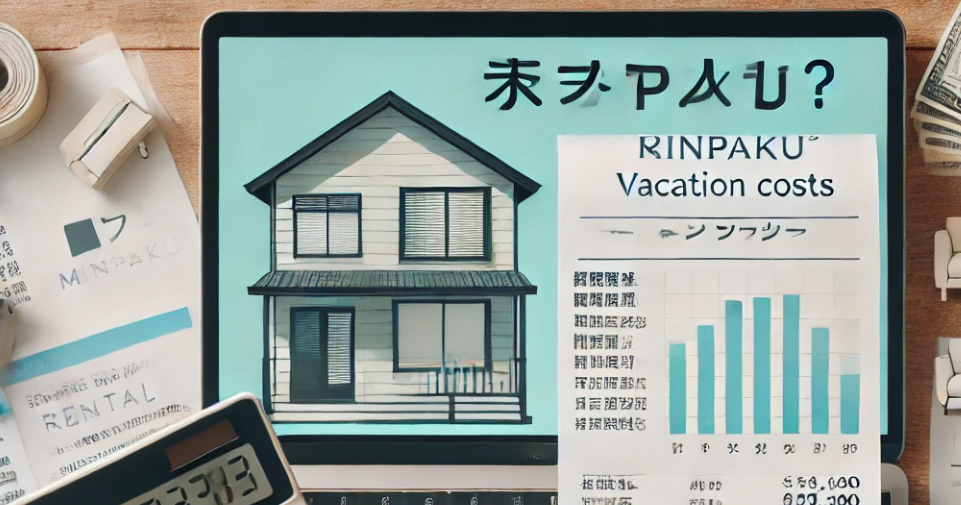
1. The Big Picture: Initial Costs for Starting a Minpaku Business
First, let’s take a broad look at the categories of initial costs involved in running a minpaku business.
- Minpaku registration fees (notifications under the Private Lodging Business Act, etc.)
- Fire department application fees (including costs for required floor plans, etc.)
- Interior renovation costs (remodeling, cleaning, repairs, etc.)
- Fire safety construction costs (installing evacuation hatches, exit signs, etc.)
- Furniture and interior costs (beds, appliances, etc.)
- Consumable supply costs (linens, amenities, daily necessities, etc.)
The amount and type of investment required will vary depending on the condition of the property, your concept, and your target guest demographic. Costs will also differ significantly depending on whether you’re targeting a prime location near a train station or converting a standalone house in a residential neighborhood into a rental. Older properties tend to require more extensive renovation and equipment work, which drives up costs, while a well-maintained condominium or apartment with existing interior finishes may allow you to keep initial costs lower. From here, let’s take a closer look at each individual cost category.
2. Minpaku Registration Fees: Costs for Notifications and Administrative Procedures
2-1. Notification Under the Private Lodging Business Act (Minpaku Shinpo)
Under the Private Lodging Business Act (commonly known as the “Minpaku Shinpo,” enacted in 2018), operators must submit a notification to their local municipality in order to run a minpaku business. While the notification itself doesn’t come with a hefty fee, it does require preparing application documents, submitting paperwork, and putting together materials such as the property’s floor plan. If you hire someone to handle the application process on your behalf, you may need to pay a fee of several tens of thousands of yen, so the total cost will vary depending on how much you choose to do yourself.
- Typical cost for application agency services: Approximately ¥30,000–¥100,000 (varies by region and service provider)
Some municipalities also have their own local ordinances that may restrict operations in certain areas or during certain periods. Even within Osaka City, detailed rules can vary by district, so be sure to check the specifics thoroughly beforehand.
2-2. Permit Applications Under the Hotel Business Act or Special Zone Minpaku Programs
Instead of the Private Lodging Business Act, you also have the option of obtaining a simple lodging permit under the Hotel Business Act, or utilizing a special zone minpaku program (such as Osaka Prefecture’s National Strategic Special Zone system). These routes require more detailed floor plans and compliance with specific facility standards, and may involve government permit application fees and inspection charges. Permit application fees generally run around ¥100,000, and if you hire a consultant or administrative scrivener (gyoseishoshi) to handle the paperwork, you’ll need to budget for additional agency fees.
- Estimated cost for Hotel Business Act permit application: Approximately ¥50,000–¥150,000 (varies by municipality and procedure)
- Estimated cost for special zone minpaku application: Approximately ¥50,000–¥150,000
Since the required procedures and associated costs vary depending on which system you choose, it’s important to consider which option best fits your property and your intended operating style.
3. Fire Department Application Fees: An Essential Step for Safety
To prepare for emergencies such as fires or earthquakes, your property must be equipped with facilities that comply with fire safety regulations. Without proper evacuation routes and fire prevention equipment in place, a disaster situation could lead to serious harm. Fire department applications are essential not only for legal compliance, but also to protect the safety of your guests and the surrounding community.
3-1. Preparing Required Documents and Floor Plans
Fire department applications require you to prepare floor plans and equipment diagrams for the property, showing fire compartmentation, evacuation routes, and the placement of fire extinguishers and smoke detectors. Depending on the size and structure of the property, you may need to enlist the help of a specialist (such as an architect or fire protection equipment engineer), in which case drafting and consulting fees can range from tens of thousands to over a hundred thousand yen.
3-2. Application and Inspection Fees
Application fees paid to the municipality or fire department typically range from a few thousand to several tens of thousands of yen, though the amount can vary significantly depending on the property’s intended use, size, and applicable building standards. Keep in mind that inspection fees may apply, and if any deficiencies are found requiring a re-inspection, additional costs may be incurred.
- Estimated cost for fire safety plans and application preparation: Approximately ¥50,000–¥100,000
- Fire safety inspection fee: Approximately a few thousand yen to ¥20,000 (varies by municipality)
4. Interior Renovation Costs: The Key to Appeal and Comfort
In neighborhoods with strong local character and appeal, giving your property distinctive interior design can help create a memorable minpaku experience for guests. On the flip side, bland, uninspired interiors can lead to lower guest satisfaction and negatively impact your reviews. Interior renovation costs vary enormously depending on how extensively you renovate the property and what level of quality you’re aiming for.
4-1. Remodeling, Cleaning, and Wallpaper Replacement
If you’re converting an older property or a previously residential unit into a minpaku rental, renovation and cleaning should be considered essentially mandatory. Water-use areas in particular (kitchen, bathroom, toilet), along with stained wallpaper and scuffed flooring, are often the first things guests notice.
- Basic remodeling (wallpaper/flooring replacement, minor repairs): Approximately ¥100,000–¥500,000
- Major remodeling (kitchen/bathroom replacement, etc.): ¥500,000–¥10,000,000 or more
How far you go depends on your budget, but in our view, it’s worth investing in at least a “minimum standard of comfort” in order to keep vacancy rates down.
4-2. Professional House Cleaning Services
Even if you’re using existing fixtures as-is, it’s worth arranging a professional house cleaning. Tasks like cleaning the interior of air conditioning units or removing mold from wet areas are often difficult for non-professionals to handle properly, so hiring a specialized cleaning service is generally the smarter choice.
- Typical house cleaning cost: Approximately ¥30,000–¥80,000 for a 1LDK to 2LDK unit
- Air conditioner cleaning (per unit): Approximately ¥10,000–¥20,000
Whether you choose to preserve older interiors for a retro atmosphere or go all-in on a bold, modern renovation is entirely up to the owner’s concept—but “cleanliness” is the one thing every guest expects, without exception. Walls stained with the smell of grilled meat or musty, mold-tinged bathrooms are a surefire way to lose out on repeat guests.
5. Fire Safety Construction Costs: Investing in Safety Equipment
Beyond the fire department application itself, you’ll need construction work to actually install the required fire safety equipment. For example, if evacuation routes are inadequate, you may need to add an emergency exit; if an older building lacks sufficient exit signage, you’ll need to install additional units.
5-1. Installing Smoke Detectors and Evacuation Ladders
In a minpaku setting, you need to ensure guests can evacuate quickly in the event of an accident or fire during their stay. In addition to installing smoke detectors in every room, some building structures may require additional construction work such as evacuation ladders or fire doors.
- Smoke detector installation cost (per unit): A few thousand yen to approximately ¥10,000
- Evacuation ladder installation cost: Approximately ¥10,000–¥100,000
5-2. Exit Signs and Sprinkler Systems
Simple lodging facilities and special zone minpaku properties may be required to install exit signage in order to meet certain standards. In addition, larger properties or those with certain structural features may require sprinkler system installation, which can significantly increase construction costs.
- Exit sign installation cost (per unit): Approximately ¥10,000–¥20,000
- Sprinkler system installation cost: Several hundred thousand yen to over ¥1,000,000
Investments like these play a critical role in protecting safety, so it’s worth spending what’s needed—doing so also reflects your responsibility to your guests and the surrounding community. Inadequate safety measures can not only prevent you from obtaining government approval, but also expose you to significant losses in the event of an incident, so this is an area that deserves careful attention.
6. Furniture and Interior Costs: The Key to Differentiation
Just as the area around Tsuruhashi Station draws people in with its roughly 800 shops—yakiniku restaurants, Korean grocery stores, general goods shops, and more—a location with its own distinct character tends to attract visitors. The same principle applies to minpaku rentals: choosing furniture and interior decor thoughtfully is a great way to differentiate your property and create a space that truly appeals to guests.
6-1. Beds, Futons, and Home Appliances
When it comes to minpaku, bedding items like mattresses, pillows, and sheets are especially important. Since these items need to be washed and replaced frequently, you’ll want to keep a reasonable stock on hand. Appliances such as refrigerators, microwaves, and washing machines are also highly appreciated by guests staying for extended periods.
- Bedding sets (bed/futon): Approximately ¥30,000–¥100,000 per set
- Appliances (refrigerator, washing machine, microwave, TV, etc.): Approximately ¥100,000–¥300,000 total
Naturally, the quantity you’ll need depends on the size of the property and the maximum number of guests it accommodates. For a property with a capacity of four, you’ll want at least four beds or futon sets, along with multiple sets of towels and sheets for rotation and laundering.
6-2. Using Furniture and Decor to Express a Concept
Choosing a cohesive theme—such as “modern Japanese,” “Korean-inspired,” or “Scandinavian style”—and designing your interior around it can help create a property that stays in guests’ memory. It’s also worth including a few “Instagrammable” spots that make travelers want to snap a photo. Decorative items like these can often be sourced affordably through online shopping or secondhand/recycle shops.
- Interior coordination fee: Approximately ¥10,000s–¥200,000 (if outsourced to a professional)
- Furniture costs: ¥500,000–¥2,000,000
- Decorative items and small goods: Approximately ¥10,000–¥50,000
7. Consumable Supply Costs: An Ongoing Expense for Operation
Once your minpaku business is up and running, consumable items such as linens, amenities, and daily necessities will need to be replenished and replaced on an ongoing basis. While these are technically operating costs rather than initial setup costs, most owners stock up on a certain amount before opening, so it’s a good idea to factor these into your initial budget as well.
7-1. Linens and Towels
Every time a guest checks out, sheets and towels need to be washed and replaced with fresh ones. Outsourcing this to a linen supply company involves a monthly fee, but offers the advantage of more consistent quality compared to washing items yourself.
- Cost of purchasing sheets, pillowcases, towels, etc.: A few thousand yen to approximately ¥10,000 per guest
- Linen supply service fees: Starting around several tens of thousands of yen per month (varies by property size and usage frequency)
7-2. Amenities and Daily Necessities
The range of daily necessities needed for a comfortable guest stay is wide—shampoo, body soap, toilet paper, paper towels, trash bags, and more. Buying all of these in bulk for the first time can easily add up to several tens of thousands of yen. In recent years, growing environmental awareness has also led more properties to install large refillable dispensers in order to cut down on single-use plastic.
8. So, What’s the Total? A Sample Cost Estimate
Adding up all the costs covered so far, the total initial cost of starting a minpaku business can range from a few hundred thousand yen at the low end to several million yen at the high end—and in some cases, depending on the scope of interior renovation, it can reach into the tens of millions of yen.
If you’re fully renovating an older property or need extensive fire safety construction work, costs can exceed ¥10,000,000. On the other hand, if you’re using a nearly move-in-ready property and only purchasing the bare essentials in furnishings, you may be able to keep costs down to around ¥500,000. Since actual costs vary widely depending on location, property condition, and the owner’s personal standards, please treat these figures as a general reference point rather than a fixed rule.
9. Tips for Keeping Initial Costs Down
Many people naturally want to minimize their initial costs as much as possible. However, cutting corners too aggressively can lower guest satisfaction, ultimately leading to reduced occupancy rates and poor reviews. Keeping the following points in mind can help you strike a good balance when trying to reduce costs.
- Make use of secondhand furniture and appliances
Searching recycle shops or online auction sites can help you find used items at a lower cost than buying new. That said, be mindful of hygiene considerations and whether any warranty is included. - Expand what you handle yourself through DIY
Tackling tasks like wallpaper replacement or basic painting on your own can save on labor costs. There’s now a wide range of beginner-friendly DIY products available, and many owners successfully complete projects with the help of online video tutorials. - Use partial support from administrative scriveners or consultants
Outsourcing the entire application process tends to come with a higher agency fee. Instead, consider getting advice on just part of the document preparation while handling the rest yourself. - Accurately assess which equipment is truly necessary
Whether major fire safety construction work is actually required can depend on the property’s structure and guest capacity. Get quotes from multiple contractors and check whether you’re at risk of over-investing.
10. Conclusion: Approach It as an Investment and Prepare Thoroughly
Initial costs for starting a minpaku business vary widely depending on the property’s condition, size, and your operating approach. It’s important to view every element—interior renovation, fire safety measures, furniture and interior purchases, and administrative procedures—as a meaningful investment. By prioritizing cleanliness and safety and putting real effort into creating a comfortable environment for guests, you can expect higher occupancy rates and stronger repeat business over time.
Making a large upfront investment all at once can feel daunting, but try to think of it as a necessary step toward long-term returns. Like any business, a minpaku operation grows over time as you gradually refine both your facilities and your services.
If you’d like more detailed guidance—whether it’s figuring out exactly what equipment you need, estimating how much it would cost to make your property truly appealing, or putting together a full operating plan—please don’t hesitate to contact Stay Buddy Co., Ltd. Drawing on our extensive experience managing minpaku properties, we offer comprehensive support covering everything from application procedures and fire safety construction to interior coordination and operational strategies for boosting guest satisfaction. Let’s work together to design the ideal plan for your property and build toward stable, long-term income.