Leave Your Vacation Rental Management to the Experts
Free Online ConsultationWhen we take on a new property for a client who purchased remotely, the building inspection certificate — 検査済証 (kensazumi-sho) — is the first document we ask for, because in Japan it determines almost everything that follows: whether a minpaku notification will be accepted, whether a ryokan licence is even possible, and whether the property can be legally altered to meet fire and facility standards. Overseas buyers often discover its absence only after contracts are signed, which is why understanding it before you buy matters more than almost any other due-diligence step.
What the Building Inspection Certificate Japan Actually Confirms
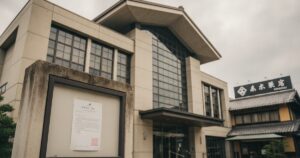
Japan’s Building Standards Act requires that, once construction is complete, the local government issues a 検査済証 confirming the building was built in accordance with the approved plans and complied with zoning and structural codes at the time. It is distinct from the building permit (確認済証, kakunin-sho), which is issued before construction begins. Both matter, but the inspection certificate is the end-of-process confirmation.
Properties built before roughly 1998 frequently lack this document — not because anything illegal occurred, but because completion inspections were often skipped and municipalities accepted occupancy anyway. The Japan Housing Finance Agency and Ministry of Land, Infrastructure, Transport and Tourism have both acknowledged this as a systemic legacy issue. The absence does not necessarily mean the building is unsafe, but it does mean you cannot assume it meets current standards, and regulators will assume the same.
Why It Blocks Minpaku and Ryokan Licensing
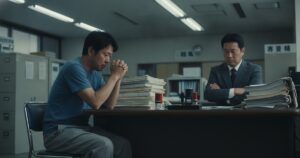
Under the Housing Accommodation Business Act (Minpaku Law), a notification to the relevant ward or municipal office must be accompanied by documentation confirming the property’s legal status, including building compliance. Local governments — particularly in Tokyo’s Special Wards and in Kyoto — routinely reject notifications where compliance cannot be evidenced. Without the 検査済証, you may need a structural survey or architect’s certificate of conformity, which adds cost and time, and is not guaranteed to resolve the issue.
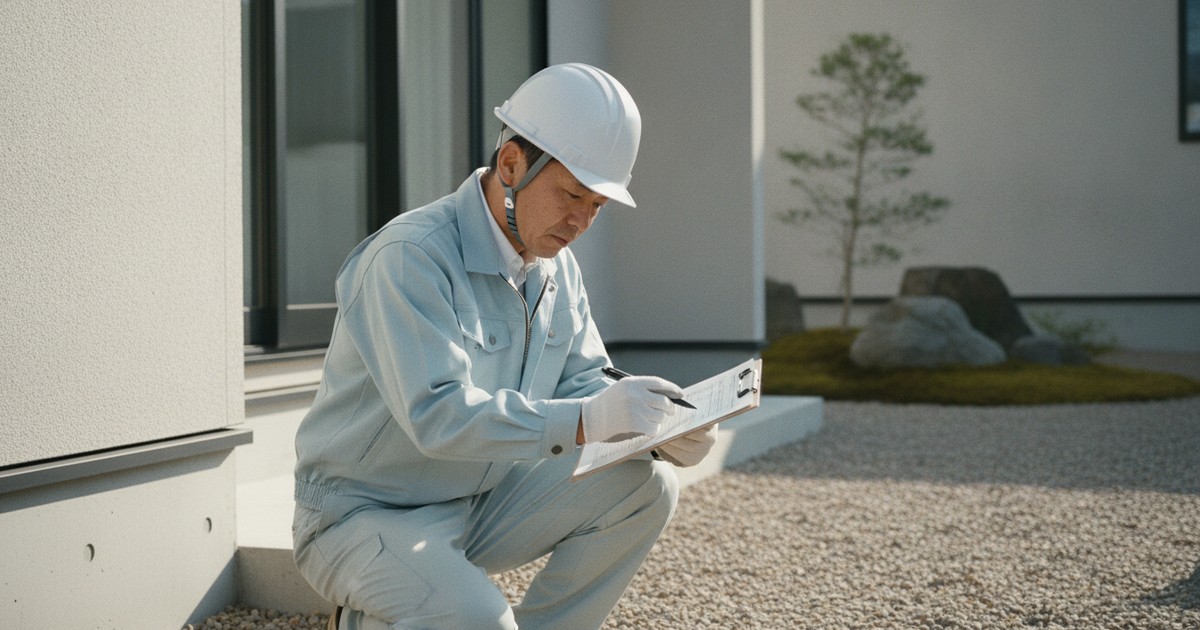
For a ryokan business licence under the Hotel Business Act, the bar is higher still. The property must demonstrably meet facility standards — minimum floor area per guest, washing and sanitation requirements, fire equipment under the Fire Service Act — and local fire departments conduct their own inspections. A missing completion certificate creates a credibility gap with inspectors before they’ve even walked through the door.
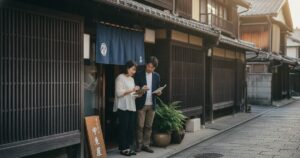
One licensing situation we encountered made this very concrete. A client in the UK had purchased a renovated machiya in Kyoto and assumed the seller’s word that “all paperwork was in order.” When we filed the minpaku notification, the ward office flagged that the renovation had altered the building’s use classification without a corresponding application, effectively rendering the post-renovation structure undocumented. The 検査済証 for the original structure existed, but it described a building that no longer matched the physical reality. We had to commission an architect’s compliance report, negotiate with the ward office over a four-month period, and ultimately cap one guest room to keep floor-area ratios within tolerable limits. The client’s launch was delayed by six months. The cost of that report and the lost revenue during the delay far exceeded what a pre-purchase survey would have cost.
What to Verify Before Exchanging Contracts
If you are buying remotely, instruct your Japanese legal representative (司法書士 or 弁護士) to confirm the following in writing before contracts are signed:
- Whether a 検査済証 exists and matches the current physical structure.
- Whether any renovations since original construction had building permit applications filed and inspected.
- The property’s use classification (用途地域) — residential zones (第一種低層住居専用地域 and similar) restrict or prohibit hotel and ryokan use entirely, regardless of licensing type.
- Whether the property is in a zone where the Minpaku Law’s 180-day annual cap applies without exemption, or whether local government ordinances have imposed a tighter restriction — Kyoto City, for example, has limited minpaku to certain periods and areas under its own municipal rules.
- For anyone considering Osaka: as of 29 May 2026, Osaka City has permanently closed new applications under the national strategic special zone framework (tokku minpaku). No new tokku minpaku can be started in Osaka City. New openings there must pursue either a standard Minpaku Law notification or a full ryokan licence under the Hotel Business Act.
Non-Resident Tax and Remittance: What the Certificate Affects Indirectly
The inspection certificate’s relevance doesn’t stop at licensing. Once you are operating legally, the property’s registered use affects how revenue is classified for Japanese tax purposes. Non-resident owners are subject to Japanese withholding tax — typically at 20.42% on gross rental income paid to non-residents under the Income Tax Act, though applicable tax treaty rates between Japan and your country of residence may reduce this. Your Japanese management company is legally required to withhold and remit this on your behalf if you do not have a tax representative (納税管理人) appointed.
Operator fees for minpaku and ryokan management vary across the industry: typically in a range of 10–25% of gross revenue, depending on scope of services, property type, location, and how much of the operational work — guest communication, cleaning coordination, regulatory compliance — the operator handles directly. A company quoting at the lower end of that range may be excluding compliance monitoring or emergency response; ask specifically what triggers an additional charge.
JPY payouts to overseas accounts involve conversion costs and, depending on your bank and the transfer service used, fees that can erode 1–3% of each transfer. These are operational realities to model before purchase, not surprises to absorb after.
Supervising a Management Company From Abroad
The building certificate question is also a proxy for a broader issue: how much can you trust what a management company tells you when you cannot visit? The answer depends less on trust and more on what reporting you contractually require.
At minimum, ask any prospective operator:
- Can you provide monthly reports that include occupancy nights (not just revenue), platform booking source breakdown, and any regulatory correspondence received?
- Who holds the minpaku notification or ryokan licence — you or the operator? (It should be in the owner’s name or clearly transferable.)
- How are cleaning contractor handovers documented? What is your process when a cleaner reports damage or a missing inventory item?
- What is your escalation path for a neighbour complaint, and have you dealt with one at this property or similar ones?
On that last point: neighbour complaints in Japan are not minor. Under the Minpaku Law, repeated substantiated complaints can trigger a suspension notice from the ward office. We have twice intervened in situations where a previous operator had quietly buried complaints rather than address them, and the owner only found out when the notification was at risk. Documentation of every complaint and every response is not optional — it is the paper trail that protects the licence.
Working With Stay Buddy
We run minpaku and ryokan properties across Japan on behalf of owners who are not in the country. That means handling licensing, compliance, cleaning coordination, guest operations, and reporting — and being the entity that receives the phone call when something goes wrong at 2am. If you are evaluating a property and want a realistic assessment of its compliance position, its licensing pathway, and what operational management would actually cost, we are happy to review the documentation you have and give you a straight answer.
Leave Your Vacation Rental Management to the Experts
Free Online ConsultationShuhei Makigi
Representative Director, Stay Buddy Co., Ltd.
Registered Housing Accommodation Management Business — Ministry of Land, Infrastructure, Transport and Tourism No. F03862. Stay Buddy operates short-term rentals and licensed hotels across Japan, supporting overseas investors with compliant, high-performing properties.
Written by the Stay Buddy Japan team. This content was produced with AI assistance and reviewed for accuracy.