Author
Stay Buddy Inc.
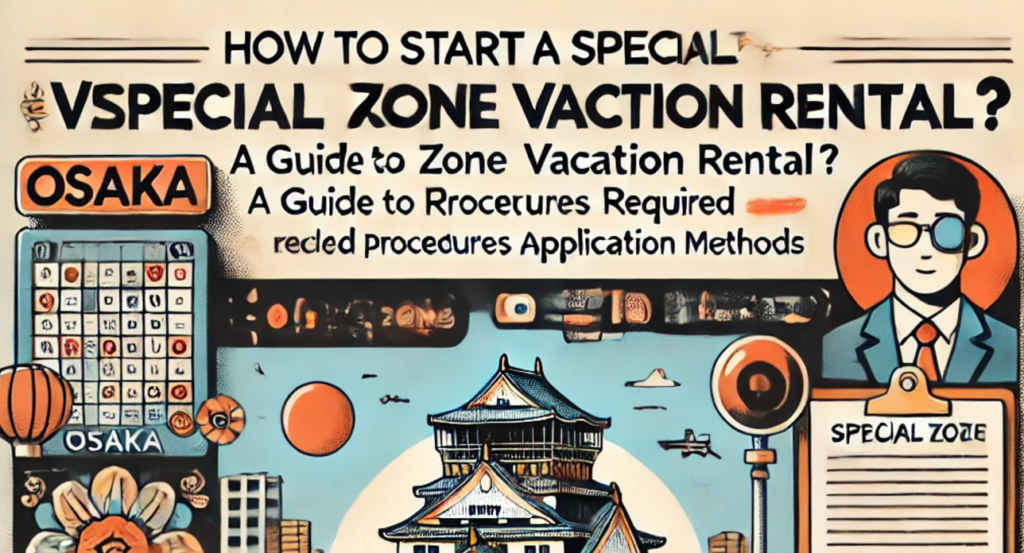
Home to Kansai International Airport, Osaka welcomes not only domestic travelers but also a large number of visitors from overseas.
Beyond bustling districts like Namba and Umeda, Osaka boasts numerous captivating attractions such as Minoh Falls, Osaka Castle, and Expo ’70 Commemorative Park, offering visitors plenty to enjoy. With excellent access to major cities like Kyoto and Hyogo, Osaka has also established itself as a popular hub for sightseeing.
Against this backdrop, more and more people in Osaka are turning vacant properties into vacation rentals in recent years. This article provides a detailed explanation of the procedures and application process required to start a National Strategic Special Zone (tokku minpaku) rental in Osaka.
What Is a Special Zone Vacation Rental (Tokku Minpaku)?
A special zone vacation rental, or “tokku minpaku,” refers to the “National Strategic Special Zone Foreign Guest Accommodation Business” designated under the National Strategic Special Zones Act.
In areas approved for special zone vacation rentals, operators are exempt from the Hotel Business Act, allowing for more flexible property management. That said, certain regulations still apply, including minimum stay requirements and standards for building structure and facilities.
It’s also important to note that special zone vacation rentals cannot be operated just anywhere. Since eligible areas are restricted, it’s essential to confirm the zoning status in advance.
A common misconception is that special zone vacation rentals are exclusively for foreign visitors. While the system is designed to provide suitable accommodations for international travelers, Japanese guests can also stay there as long as certain conditions are met. As long as guests follow the rules, the system is designed to offer accommodation to a wide range of people.
Areas in Osaka Prefecture Where Special Zone Vacation Rentals Are Permitted
The following areas in Osaka Prefecture allow special zone vacation rental operations.
- Osaka City
- Yao City
- Neyagawa City
To operate a special zone vacation rental within Osaka City, the property must also be located in one of the following zoning areas:
- Category I Residential Zone
- Category II Residential Zone
- Quasi-Residential Zone
- Neighborhood Commercial Zone
- Commercial Zone
- Quasi-Industrial Zone
In particular, areas concentrated with entertainment and tourist districts—such as Chuo Ward, Kita Ward, and Tennoji Ward in Osaka City—offer relatively more properties eligible for special zone vacation rental operations. In other wards of Osaka City, however, additional conditions may apply, such as requiring a floor area of 3,000 square meters or more, so careful property selection is essential.
The special zone vacation rental system was introduced to help address the shortage of accommodations amid the growing number of visitors from abroad. Although inbound tourism temporarily declined due to the COVID-19 pandemic, it has since rebounded, and Osaka is once again welcoming large numbers of international travelers.
Special zone vacation rentals represent an initiative to meet the demand from international visitors while maximizing the business opportunities available to Osaka Prefecture. By making use of vacant houses and underutilized real estate, this system also contributes to local economic revitalization.
That said, starting a special zone vacation rental requires meeting certain conditions specific to the area and property. We’ll go into more detail on this below.
What Are Vacation Rental Ordinances?
Vacation rental ordinances establish rules for the growing number of short-term rental operations, aiming to prevent conflicts with neighboring residents and promote sound, well-regulated services.
Some vacation rentals have faced issues with inadequate safety and hygiene standards, as well as problems like noise complaints and improper garbage disposal. To address these challenges, vacation rental ordinances clearly define the standards and procedures required for operation.
Below is an explanation of two particularly important elements of these ordinances.
1. Ordinance on the National Strategic Special Zone Foreign Guest Accommodation Business
In recent years, peer-to-peer lodging arrangements facilitated through the internet and apps have become increasingly common. However, these transactions can potentially violate the Hotel Business Act, creating a risk of disputes.
The “Ordinance on the National Strategic Special Zone Foreign Guest Accommodation Business” was established to resolve these issues. Under this ordinance, vacation rental operations are permitted only when the following conditions are met:
- The property is located within a National Strategic Special Zone
- The length of stay falls between 7 and 10 days
- The arrangement is based on a lease agreement
- Foreign-language guidance is provided
- The room meets the requirements of Article 12, Item 3 of the Enforcement Order
- Part of the operation qualifies as a hotel business
These conditions enhance transparency in vacation rental operations, delivering a more trustworthy service for both guests and operators.
Reference: Cabinet Office, “Special Exceptions to the Hotel Business Act“
2. Ordinance on the Private Lodging Business Act
The Private Lodging Business Act (commonly known as the “Minpaku Law”) took effect in June 2018 and allows homes and residential buildings to be used as lodging facilities. Normally, hotels and inns are legally restricted from being built in residential-only zones, but this new law made it possible to use vacant homes and unused rooms as accommodation facilities.
However, a large influx of tourists into residential zones could potentially disrupt the living environment for local residents. To address this concern, each municipality has established conditions tailored to local circumstances, including:
- Areas where the private lodging business is permitted
- Permitted operating periods
- Hygiene and safety standards that operators must follow
These measures help maintain a comfortable environment for both local residents and visiting tourists.
Reference: Minpaku Portal Site, “What Is the Private Lodging Business Act (Minpaku Law)?“
Holding an Information Session for Neighboring Residents
When operating a special zone vacation rental, holding an information session in advance is mandatory to prevent conflicts with neighboring residents. Even when leasing out your home or a vacant property to a third party, the property owner may still be held responsible if disputes arise with neighbors. Holding this session beforehand is a crucial step toward ensuring smooth operations.
Below, we’ll cover the key points to keep in mind when holding an information session.
Who to Inform and What to Cover
During the information session, you’ll explain the details of the property being operated as a special zone vacation rental to neighboring residents. This applies to anyone living within 10 meters of the property, including across a road or park. While obtaining consent is not required, you are obligated to inform residents within this range, either verbally or in writing.
Methods for Informing Neighboring Residents
The following methods can be used to inform neighboring residents when operating a special zone vacation rental.
1. Hold an Information Session
- Notify target residents about the information session through flyers or written notices.
- While providing additional explanations to residents who couldn’t attend the session isn’t mandatory, you must still respond to any inquiries they may have.
2. Door-to-Door Visits
- Visit every eligible household and provide explanations in person.
- When you’re able to meet residents face-to-face, use a written document covering the necessary details to explain everything thoroughly.
- If no one is home, leave the documents at their door and respond to any follow-up inquiries as needed.
Steps to Apply for Special Zone Vacation Rental Certification
Below is the basic process for applying for and obtaining certification as a special zone vacation rental.
1. Preliminary Consultation
When starting a special zone vacation rental, the property must meet a higher standard of fire safety and disaster preparedness than a typical residence. For this reason, bring the floor plans of the property you’re considering to a preliminary consultation with the ward’s Public Safety Division and the local fire department. During this consultation, you’ll receive specific guidance on the standards required for special zone vacation rentals and any improvements needed.
2. Informing Residents of the Business Plan
Alongside the preliminary consultation, you’re required to inform neighboring residents about your plans. As mentioned earlier, this involves distributing informational documents and/or holding an information session. While some areas don’t require an information session, most do. Be sure to clearly outline the details of your business plan and complaint-handling contact information in your notification documents so residents fully understand what to expect.
3. Submitting the Certification Application
Once you’ve completed the information session for neighboring residents and received their understanding, gather the necessary documents and submit your certification application to the Public Safety Division. The main documents required for the application include:
- Copy of resident registration
- Terms and conditions related to the lease agreement or other relevant contracts
- Facility floor plans
- Report confirming completion of resident notification activities
- Complaint and inquiry response system and procedures
- Documentation proving your legal right to use the property for business purposes
- Fire Code Compliance Certificate
Missing documents can delay the application process, so be sure to double-check that everything is in order beforehand.
4. On-Site Inspection
Once the document review is complete, staff from the ward’s Public Safety Division will conduct an on-site inspection. This inspection confirms whether fire safety equipment and safety standards are properly in place, and whether the property can be operated in line with the submitted business plan.
If any issues are identified, you’ll need to make the necessary improvements and request a follow-up inspection. Address the issues thoroughly to ensure approval on the next visit.
5. Issuance of the Certification
Once you’ve passed the on-site inspection, you’ll be issued a certification for operating your special zone vacation rental. Once this certificate is in hand, you’re officially cleared to begin operations. Register the certification number listed on the document with booking platforms, and you’re ready to start attracting guests.
The application process for a special zone vacation rental involves several steps, including preliminary preparation, document submission, and on-site inspections. Handling each step carefully and thoroughly is key to ensuring smooth operations down the line.
How to Succeed at Attracting Guests and Boosting Revenue with Special Zone Vacation Rentals
1. List Your Property on Booking Sites That Fit Its Style
Start by listing your property on the right booking platforms. Getting your property in front of people searching for accommodations is the first step toward attracting guests. Airbnb is one of the most well-known platforms, but registering with sites like Booking.com and Rakuten Travel can help you reach an even wider audience.
When creating your listing, it’s important to provide detailed information about the property. In addition to amenities and furnishings, include details like nearby tourist attractions, transportation access, and the location of grocery stores—this helps guests picture what their stay will be like. If you’re managing listings across multiple platforms, be sure to use a channel manager to avoid double bookings.
2. Create Social Media Accounts to Attract Guests Directly
In addition to booking platforms, social media offers a way to reach guests more directly. Instagram and Facebook are free to use, and many people rely on them when searching for a place to stay. By showcasing your property’s appeal on social media, you can attract potential guests both domestically and abroad.
Post in English or other languages to reach an international audience. Visually highlighting the interior design, nearby attractions, and seasonal events can also be highly effective. Using Stories and Reels to share short, dynamic videos is another great way to capture guests’ attention and showcase your property’s charm in motion.
3. Don’t Skimp on Interior Design and Décor
Your listing photos play a crucial role in capturing guests’ interest, so it’s worth investing in quality interior design and décor. For example, incorporating houseplants and artwork can create a simple yet refined atmosphere, resulting in a space that photographs beautifully.
Start by choosing a theme. Settling on a concept—like “Scandinavian style” or “modern Japanese”—and sticking to a consistent color palette helps bring cohesion to the entire room. If you’re working with a tight budget, take advantage of affordable furniture stores and online marketplaces to create an appealing space without overspending.
We’ve covered guest acquisition strategies for special zone vacation rentals in greater detail in another blog post. If you’re interested, be sure to check it out. “Tips for Successfully Attracting Guests to Your Vacation Rental: What to Do to Keep Your Property Fully Booked”
Thinking of Starting a Special Zone Vacation Rental? Talk to Stay Buddy
Starting a special zone vacation rental in Osaka requires careful preparation and compliance with region-specific regulations. While special zone vacation rentals benefit from certain exemptions under the Hotel Business Act, operators must still meet requirements around minimum stay lengths, facility standards, and notifying neighboring residents. Begin by confirming which areas are eligible, then move on to selecting the right property, preparing the necessary documents, submitting your certification application, and setting up your operational systems.
Holding information sessions to prevent disputes with neighbors, installing proper fire safety equipment, and submitting accurate documentation are all key to a successful operation. Once certified, providing attentive guest service and diligent property management can help you build a special zone vacation rental that’s well-regarded within the community. Even first-time operators can turn a special zone vacation rental into a thriving business by carefully following each required step.
At Stay Buddy Inc., we handle everything from certification applications to full operational management for special zone vacation rentals. If you’d like advice or support regarding special zone vacation rentals, please don’t hesitate to reach out to us.