When considering hotel or lodging facility development in Otaru, the biggest question on your mind is probably: “Will this actually turn a profit?” Otaru has been drawing attention as a highly profitable area for hotel investment, and against the backdrop of expanding inbound demand, more and more investors and operators are considering entering this market.
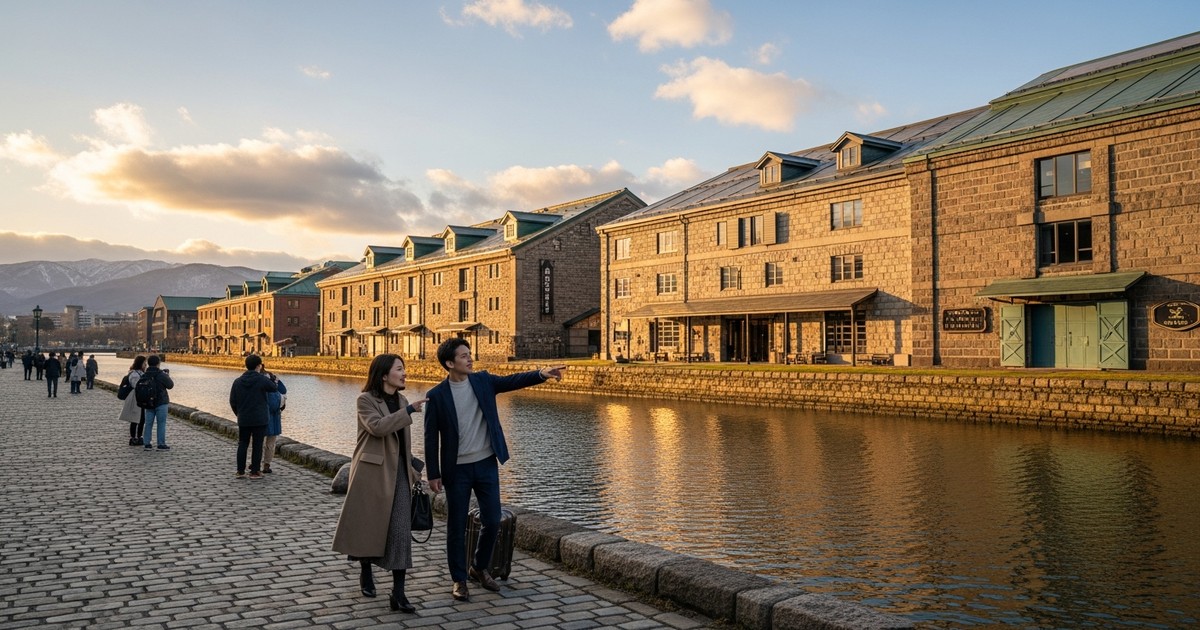
As one of Hokkaido’s leading tourist cities, Otaru boasts a wealth of attractions—its historic canal, stone warehouses, and fresh seafood cuisine—drawing visitors from Japan and abroad throughout the year. Its excellent accessibility, just a 30-minute rapid train ride from Sapporo, is also a key factor supporting lodging demand.
This article provides a detailed look at the market environment for lodging facility development in Otaru, concrete revenue models, and practical points for success. If you’re considering starting a hotel business in Otaru, we hope you’ll find this a useful reference.
Overview of Otaru’s Hotel Market and Revenue Potential
Otaru welcomes approximately 7 to 8 million tourists annually, with the proportion of foreign visitors rising year after year. Hokkaido is a particularly popular destination for inbound travelers from across Asia, and the Sapporo–Otaru–Niseko circuit has become a well-established travel route. Areas around the Otaru Canal and Sakaimachi Street are consistently bustling with tourists, and demand for accommodation remains solid.
On the other hand, compared to Sapporo, the supply of lodging facilities within Otaru is limited. Major hotel chains have only made a partial entry into the market, with small and mid-sized ryokan and guesthouses forming the core of the industry. This supply shortage represents a real business opportunity for new entrants. It’s not unusual for occupancy rates to exceed 90% during peak season, and many properties can maintain 50–60% occupancy even in the off-season. Average daily rates (ADR) also show strong potential—mid-range properties can charge ¥10,000 to ¥15,000 per night, while higher-end properties can command ¥20,000 to ¥30,000 or more.
Why Inbound Demand Is Driving Otaru’s Lodging Business
Hokkaido’s International Brand Recognition
Hokkaido is repeatedly featured in overseas travel media and on social media as “the most beautiful region in Japan,” with its winter snowscapes, summer lavender fields, and year-round seafood cuisine drawing foreign travelers in particular. Within Hokkaido, Otaru has established a strong brand identity as a “romantic port town,” generating strong interest from both Western and Asian travelers.
On international travel review sites, experiences like the Otaru Canal’s nighttime views and the sushi restaurant district consistently receive high ratings, and repeat visitor rates tend to be high. This brand strength is a key reason why lodging facilities can command higher rates, which in turn boosts profitability.
Synergy from the Niseko Travel Circuit
Niseko, world-renowned for its powder snow, is located about an hour and a half from Otaru by car. Many international travelers who come to enjoy skiing in Niseko during winter choose Otaru as a stopover before or after their trip. Since accommodation prices in the Niseko area can soar to ¥50,000–¥100,000 or more per night during winter, staying in Otaru becomes an attractive option in terms of price as well.
This circuit-based demand drives particularly high occupancy rates for Otaru’s lodging facilities during winter. From December through March, some properties record occupancy rates of 95% or higher, making winter revenue a major pillar of the annual business plan.
Cruise Ship Port Calls and Converting Day-Trippers into Overnight Guests
The Port of Otaru regularly welcomes large cruise ships, with each port call bringing 2,000 to 4,000 passengers ashore. Most cruise passengers sightsee on a day-trip basis, but in recent years, demand for “pre- and post-cruise” overnight stays on land has been growing.
Additionally, if even a portion of the tourists who currently visit Otaru as day-trippers can be converted into overnight guests, this represents a significant revenue opportunity. By offering compelling lodging experiences, spreading the perception that “Otaru is best enjoyed by staying overnight” can help expand the lodging market across the entire area.
Concrete Revenue Models for Hotel Development in Otaru
Revenue Simulation for a Small Boutique Hotel (10–20 Rooms)
Operating a 10-room boutique hotel in central Otaru typically requires an initial investment of ¥50 million to ¥100 million, including property acquisition and renovation costs. Renovating a historic building allows you to capitalize on the property’s unique atmosphere for differentiation, enabling higher room rates.
Assuming an average daily rate of ¥15,000 and an annual occupancy rate of 70%, a 10-room property would generate approximately ¥38.32 million in annual revenue (¥15,000 × 10 rooms × 365 days × 70%). After deducting operating costs such as labor, utilities, cleaning, OTA commissions, and reserves for repairs, a realistic operating profit margin falls between 20% and 30%. This translates to an estimated annual operating profit of ¥7.66 million to ¥11.5 million, with a payback period of roughly 7 to 12 years relative to the initial investment.
Revenue Simulation for a Guesthouse / Simple Lodging (5–10 Rooms)
For those looking to start with a smaller initial investment, entering the market as a guesthouse is a viable option. Using a pre-owned property, initial investment can be kept to around ¥15 million to ¥30 million. Typical pricing ranges from ¥5,000–¥8,000 per night for private rooms and ¥3,000–¥4,000 per night for dormitory-style beds.
Operating a 6-room private guesthouse at an average rate of ¥7,000 and 65% occupancy would generate annual revenue of approximately ¥9.99 million. Since this format allows for lower operating costs, cases exist where owners who manage the property themselves achieve operating profit margins of 30–40%. This translates to an annual profit target of roughly ¥3 million to ¥4 million, with a payback period target of 5 to 8 years.
Revenue Simulation for a Whole-House Rental / Villa Type
In recent years, whole-house rental properties have grown increasingly popular among families and group travelers. An increasing number of operators are utilizing residential or seaside properties in Otaru and renting them out at ¥30,000 to ¥60,000 per night per house. Initial investment ranges from ¥20 million to ¥50 million, depending on the condition of the property.
Operating a single house at ¥40,000 per night with 60% occupancy would generate annual revenue of approximately ¥8.76 million. Even when outsourcing cleaning and linen replacement, operating costs remain relatively low, allowing for a high operating profit margin of 35–45%. Another advantage is that operating multiple properties creates economies of scale, making it easier to expand revenue.
Practical Points for Successful Hotel Development in Otaru
Location Selection and Property Acquisition Strategy
Location plays a decisive role in the profitability of lodging facility development in Otaru. Areas within a 10-minute walk of the Otaru Canal, or a 5-minute walk from Otaru Station, tend to have both high occupancy rates and higher room rates. Meanwhile, the Asarigawa Onsen area and the Shukutsu district, while requiring access by car, offer the advantage of lower property acquisition costs and the opportunity to develop high-value-added facilities that make the most of the natural surroundings.
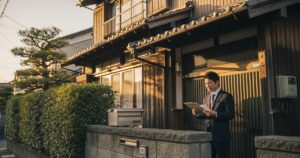
Otaru has numerous historic buildings over 50 years old and vacant warehouses. Renovating these properties for use as lodging facilities allows operators to reduce construction costs while offering a distinctive guest experience, which tends to earn high praise from foreign travelers. When acquiring property, it’s essential to check zoning regulations, compliance with the Building Standards Act, and fire code requirements in advance.
Managing Seasonal Fluctuations and Building Year-Round Demand
Otaru’s lodging market peaks during winter (December–March) and summer (July–August), with spring and autumn being relatively quiet seasons. Finding ways to smooth out this seasonal variation is key to stabilizing annual revenue. Effective strategies include offering long-stay plans with rates discounted 15–25% during the off-season, and setting up Wi-Fi and workspace facilities to capture workation demand.
Otaru also hosts a rich calendar of seasonal events, such as the Otaru Port Festival and the Otaru Snow Light Path Festival. Offering special plans timed to these events, or bundling lodging packages with activities like sake brewery tours or glasswork experiences, can help boost occupancy during slower periods. In fact, some properties that introduced experience-inclusive plans have seen off-season occupancy rates improve by 10–15%.
Multilingual Support and OTA Marketing Optimization
To reliably capture inbound guests, listing on international OTAs (online travel agencies) such as Booking.com, Expedia, and Agoda is essential. When listing, prepare property descriptions in English, Chinese (both Traditional and Simplified), and Korean, and post at least 20 professionally shot, high-quality photos—these are the fundamentals for boosting booking rates.
While OTA commissions typically run 12–20% of revenue, operating your own direct booking website alongside OTAs—and offering repeat guests a 5–10% discount for direct bookings—can help reduce the burden of these commission fees. Maintaining a strong review score is also crucial: data shows that properties maintaining a rating of 4.5 or higher see booking rates over 30% higher than properties that don’t.
Key Legal Regulations and Permits for Hotel Development in Otaru
Obtaining a Business License Under the Hotel Business Act
To operate a lodging facility in Otaru, you must obtain a business license under the Hotel Business Act (Ryokan Gyō Hō). You’ll need to select either the “hotel/ryokan business” or “simple lodging business” license category and apply to the Otaru City public health center. For hotel/ryokan business licenses, each guest room must have a minimum floor area of 7 square meters; for simple lodging business licenses, the total floor area must be at least 33 square meters.
Processing an application typically takes one to two months. Before applying, be sure to confirm compliance with the Building Standards Act (including whether a completion inspection certificate exists), the installation of fire safety equipment (such as automatic fire alarms and emergency lighting), and the condition of water and sewage infrastructure. When renovating older buildings, installing new fire safety equipment alone can cost ¥2 million to ¥5 million, so this should be factored into your business plan.
Hokkaido and Otaru City’s Unique Ordinances and Regulations
In Hokkaido, properties registered under the Private Lodging Business Act (the “minpaku law”) are also subject to additional restrictions under local ordinances. While the maximum number of operating days is capped at 180 per year nationwide, some areas impose further restrictions, so it’s important to check with Otaru City’s relevant department in advance.
Otaru City is also committed to preserving its historic streetscape, and there are regulations governing exterior building changes, particularly around the canal area and along the former Temiya rail line. Restrictions may apply to signage size and color, as well as exterior wall materials, so it’s advisable to consult with the city’s landscape planning department during the design phase. While these regulations may seem restrictive at first glance, embracing the historic streetscape when designing your property can help you create a truly one-of-a-kind guest experience unavailable elsewhere—ultimately becoming a strong competitive advantage.
For Lodging Facility Development and Management, Consult Stay Buddy Inc.
Developing a hotel or lodging facility in Otaru requires extensive specialized knowledge and hands-on experience across many areas—location selection, regulatory compliance, revenue planning, and building an operational structure. Especially when targeting the inbound market, a lodging business demands unique know-how in multilingual support, OTA marketing, and guest service operations.
Stay Buddy Inc. is a specialist company that provides end-to-end support for lodging facilities, from planning and development through to full operational management. We support property owners at every stage of the business—from creating market-research-based revenue simulations, to assisting with permit and license acquisition, to optimizing marketing and operations after opening.
Backed by proven operational experience and data-driven know-how, we help maximize your return on investment. If you’re interested in starting a lodging business in Otaru, please feel free to reach out to Stay Buddy Inc. From proposing concrete revenue plans to offering advice on finding the right property, we’re here to support you every step of the way.