Leave Your Minpaku Management to the Experts
100% Free Online ConsultationA Complete Guide to Minpaku Application Procedures and Costs (Special Zone Minpaku Edition)
For anyone considering starting a minpaku business in areas designated as National Strategic Special Zones—such as Osaka City or Ota Ward in Tokyo—the most attractive option is **”Special Zone Minpaku” (National Strategic Special Zone Foreign Visitor Accommodation Business)**.
Unlike the “Minpaku Business Act,” which limits operations to 180 days per year, Special Zone Minpaku allows for full 365-day operation, making it the strongest license available for maximizing profitability. However, obtaining this certification requires navigating a more specialized and complex process than standard minpaku licensing.
Let’s start with the conclusion of this article.
The key to successfully obtaining Special Zone Minpaku certification lies in systematically and sincerely clearing two major hurdles: “compliance with fire service regulations” and “explanations to neighboring residents.” As for costs, while it depends on the property’s condition, you should budget for an initial investment of **roughly ¥500,000 to ¥2,000,000 (excluding property acquisition costs)**.
In this article, we’ll provide a thorough, practical breakdown of the specific steps required to obtain Special Zone Minpaku certification and the associated cost breakdown.
What Is Special Zone Minpaku? The Benefits and Conditions of 365-Day Operation
Before diving into the procedures, let’s review the basics of Special Zone Minpaku.
Special Zone Minpaku is a system permitted only in specific areas (Osaka Prefecture, Osaka City, Ota Ward in Tokyo, Chiba City, etc.).
- Biggest advantage: No annual operating day limit—365-day operation is possible.
- Key requirement: A minimum stay of **”2 nights, 3 days or more”** (this may vary by municipality).
- Zoning: Operation may be permitted even in some exclusively residential zones, provided certain requirements are met.
If you want to run minpaku as a serious business, obtaining either Special Zone Minpaku status or a license under the Hotel Business Act is the “winning strategy.” Now, let’s take a closer look at the specific application procedures.
[Complete Roadmap] 5 Steps to Obtaining Special Zone Minpaku Certification
While there are minor variations between municipalities, the overall application process is generally the same everywhere. Here, we’ll explain based on the most common case—Osaka City.
Step 1: Preliminary Consultation (Health Center, Fire Department, Environmental Bureau)
Once you’ve selected a property, always consult with the relevant government offices before signing a contract or beginning construction. Skipping this step can lead to the fatal mistake of discovering later that the property simply cannot obtain approval.
- Health Center (Environmental Hygiene Inspection Division): Bring your floor plans to confirm floor area for each room, the number of toilets and washbasins, and hygiene management standards. Since Special Zone Minpaku has requirements such as a minimum of “25 square meters,” strict verification against the floor plan is essential.
- Fire Department (Prevention Division): This is the most critical and costly step. The required fire safety equipment (automatic fire alarm systems, emergency lighting, etc.) varies significantly depending on the building’s size and use (e.g., whether other tenants occupy the building).
- Environmental Bureau (Waste Management): Confirm the disposal method for commercial waste and prepare to sign a contract with a waste collection and transport company.
Step 2: Installing Fire Safety Equipment and Obtaining the “Fire Safety Compliance Certificate”
Based on the guidance received during the preliminary consultation, you’ll proceed with installing fire safety equipment.
Many Special Zone Minpaku properties are converted from ordinary residences, but under fire safety law, they are classified as “accommodation facilities,” meaning stricter standards apply than those for regular homes.
- Construction work: Hire a licensed fire equipment contractor to install automatic fire alarm systems, emergency lighting, fire extinguishers, and evacuation equipment. Curtains and carpets must be “flame-resistant materials.”
- Fire inspection: After construction is complete, the fire department will conduct an on-site inspection.
- Certificate issuance: If you pass the inspection, you’ll receive the “Fire Safety Compliance Certificate.” Without this document, you cannot proceed to the formal certification application.
Step 3: Informing and Explaining to Neighboring Residents
This is a defining characteristic of Special Zone Minpaku and the process that requires the most delicacy.
Local ordinances require that you inform neighboring residents of your business plan before submitting your application.
- Scope: Residents and building managers within a certain distance from the property boundary (e.g., 20 meters).
- Methods:
- Flyer distribution: Distribute flyers explaining the business details to nearby households.
- Face-to-face explanations: For particularly affected residents—such as adjacent units or units directly above, below, or beside the property in the same building—an in-person explanation is generally required.
- Documentation: You must record who received what explanation and when, along with any questions or concerns raised, and compile this into a written report. If residents raise complaints, sincere responses and efforts to gain their understanding are essential.
Step 4: Certification Application (Formal Application)
Once you’ve obtained the fire safety certificate and completed the neighbor notification process, it’s time to submit your certification application to the health center.
The required documentation is extensive.
- Main required documents:
- Specific certification application form
- Articles of incorporation / certificate of registered matters (for corporations)
- Detailed facility drawings (floor plans, site layout, etc.)
- Lease agreement and sublease consent letter (for rental properties)
- Fire Safety Compliance Certificate
- Report on neighbor notification activities
- Copy of contract with a waste disposal company
- Water quality inspection certificate (if applicable)
- House manual (guest information guide), etc.
Carefully check all documents for completeness before submission. An examination fee (approximately ¥20,000, though it varies by municipality) is required at the time of application.
Step 5: On-Site Inspection and Certificate Issuance
Once your documents pass review, a health center official will conduct an on-site inspection of the property.
- On-site inspection: Inspectors will check whether furniture matches the submitted floor plan, whether the key handover method (such as a smart lock) is appropriate, whether hygiene supplies are in place, and whether required signage (such as the planned location for the certification mark) is properly displayed.
- Certification: If you pass inspection, the “Certificate of Certification” will be issued within a few days to a few weeks.
- Launch: Once you receive your certificate and display the official Special Zone Minpaku sign at your entrance, you can finally begin operating legally.
Breaking Down the “Costs” of a Special Zone Minpaku Application
So, roughly how much does this whole process cost in total? While it depends on the property’s specifications, here’s a general cost breakdown to give you an idea.
1. Government Fees
- Application fee: Approximately ¥20,000–¥22,000 (varies by municipality). This is a guaranteed, unavoidable expense.
2. Fire Safety Equipment and Construction Costs
This makes up the bulk of the expenses.
- For a small apartment unit: Approximately ¥200,000–¥500,000 (including installation of automatic fire alarm systems for small-scale facilities, emergency lighting, fire extinguishers, and replacement with flame-resistant curtains)
- For a detached house or larger facility: ¥1,000,000–¥3,000,000+ (costs skyrocket if full-scale automatic fire alarm systems or wireless equipment installations are required)
3. Professional Fees (Administrative Scriveners, etc.)
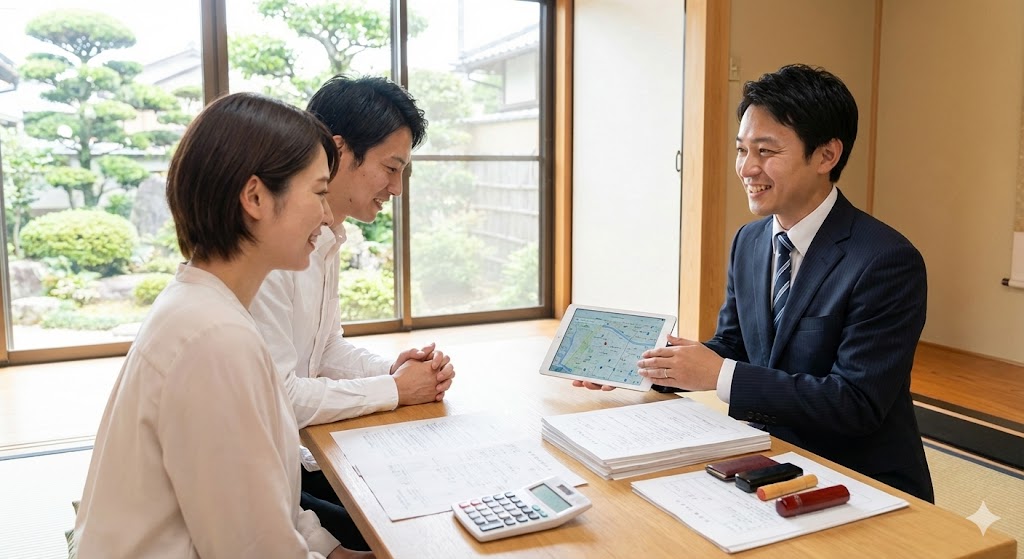
These are the costs of hiring professionals to prepare application documents, create floor plans, conduct preliminary consultations with the fire department, and handle neighbor explanations on your behalf.
- Application agency fee: Approximately ¥150,000–¥400,000. While it’s possible to handle this yourself, most people hire professionals given the complexity of the paperwork, the emotional burden of dealing with neighbors, and the need for speed.
4. Other Miscellaneous Costs
- Waste disposal contract: A few thousand yen per month or more (depending on waste volume)
- Water quality inspection: A few thousand to ¥10,000 (if applicable)
- Flyer printing costs for neighbor notifications: A few thousand yen
Overall Estimate
Excluding property acquisition and renovation (interior) costs, it’s safest to budget **”costs solely for obtaining the license”** at a minimum of around ¥500,000, with an average of ¥800,000 to ¥1,500,000.
Points to Watch to Avoid Failure
The “Sublease Consent Letter” for Rental Properties
If you’re running a Special Zone Minpaku business in a rented property, you absolutely must obtain a **”sublease consent letter”** from the property owner (lessor). Without this document, your application will not be accepted. “I’ll convince them later” simply doesn’t work here—be sure to secure written agreement before signing the property lease.
Condominium “Management Rules”
If you plan to operate from a unit in a condominium, minpaku must not be prohibited under the building’s management rules. Even if the rules don’t explicitly address this, in most cases you’ll still need to confirm with the management association and obtain their approval.
Conclusion: A Significant Initial Investment, But an Even Bigger Return
Applying for Special Zone Minpaku certification involves high hurdles to clear—fire safety construction, neighbor negotiations—and requires significant time and money. However, once you clear these hurdles, you gain a powerful weapon: the ability to operate 365 days a year.
Even properties that would struggle to turn a profit under the 180-day limit of the standard Minpaku Business Act can potentially generate solid profits under Special Zone Minpaku. Rather than viewing this initial investment as a burden, consider it a strategic “barrier to entry” that positions you favorably in a market with less competition.
Let Our Professionals Handle All the Tedious Procedures
“I don’t think I can handle negotiations with the fire department or explanations to neighbors on my own…”
“I don’t want to waste time on paperwork—I want to open quickly and start earning.”
“I first want someone to assess whether my property qualifies for Special Zone Minpaku.”
Whatever your concerns, we’d love for you to reach out to us.
Stay Buddy Inc. is a professional minpaku management company offering a full one-stop service—from Special Zone Minpaku application support to complete operational management.
Working closely with our partner administrative scriveners and fire safety equipment specialists, we ensure:
- The fastest possible path to certification
- Cost-effective fire safety equipment proposals
- Trouble-free neighbor relations
We deliver on all of these with confidence.
This means property owners can get their business off the ground without being bogged down by tedious paperwork or negotiations.
Why not start with a free assessment to see whether your property is suited for Special Zone Minpaku?
We’re fully committed to supporting you—from a smooth, successful application through to highly profitable ongoing operations. Please don’t hesitate to get in touch.