Leave Your Vacation Rental Management to Us
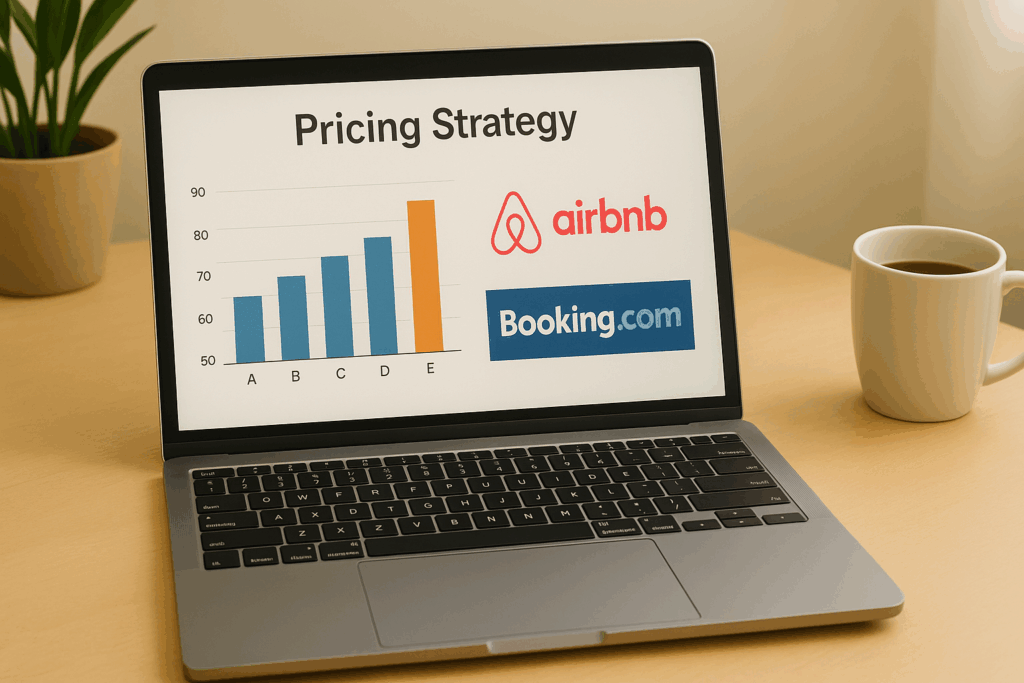
Free Online ConsultationWhen it comes to running a vacation rental, “pricing” is one of the trickiest topics to get right. Price it too high, and bookings dry up; price it too low, and not only does profitability suffer, but there’s also a risk of damaging your property’s image. In light of this, one approach worth considering is setting your price “just a bit higher than nearby competitors.”
At first glance, this might seem counterintuitive, but deliberately pricing “just slightly higher” comes with a real advantage: you can maintain your property’s brand value while still securing a steady stream of bookings. In this article, we’ll walk through the pricing mindset vacation rental operators should adopt, along with concrete ways to put the “just a bit higher” strategy into practice.
Pricing Isn’t Just About Being Cheap
These days, vacation rental platforms make it possible to compare prices with a single click. This leads many hosts to assume that “pricing below the competition means more bookings,” but in reality, guests don’t choose based on price alone. Along with price, guests weigh a range of factors together—photos, location, reviews, cleanliness, and how attentive the host’s service is.
Lowering your price might bring a short-term bump in bookings, but it also cuts into your profitability. And if you end up cutting service quality to match that lower price, you risk becoming a breeding ground for negative reviews. Once that happens, you’ll get stuck with a “cheap but mediocre” reputation—which, in the end, tends to cost you more than it saves.
Why “Just a Bit Higher” Is the Sweet Spot
There are several key reasons why setting your price just slightly above nearby competing properties works so well.
It Preserves Brand Value
Even in vacation rentals, “price equals brand” to some extent. Properties priced too low tend to give off a “cheap” or “quantity over quality” vibe. On the flip side, pricing slightly above nearby properties makes guests more likely to assume “there must be a reason it costs a bit more.”
For example, if your photos are beautiful, the space feels clean, and reviews are strong, guests will expect “a place I can trust” or “higher quality”—and they’ll often choose you despite the price difference.
It Helps You Avoid Getting Filtered Out by Price
On OTAs, guests frequently filter listings by price range. If you land in the same or a lower price bracket as your competitors, you get lumped in with similar properties and dragged into a pure price war.
But by deliberately moving up a price tier, the caliber of properties you’re compared against rises too, and you have a better chance of coming across as “the best value option in this group.” This is also an effective way to create a sense of premium quality.
It Improves the Quality of Inquiries and Bookings
When prices are too low, your guest base tends to skew toward people who care about price above all else. That often brings more haggling over minor discounts, plus a higher chance of complaints or unreasonable requests during the stay.
By contrast, pricing slightly higher tends to attract guests with a certain level of savviness and financial ease, which cuts down on trouble. As more considerate guests use your property, you’re likely to earn more positive reviews—which, in turn, benefits your brand over the long run.
How to Approach Pricing for “Just a Bit Higher”
Raising your price doesn’t mean going to extremes. What matters is staying mindful of that “small gap” relative to the competition.
For instance, if nearby properties are priced around ¥12,000 per night, you might set yours at around ¥12,800–¥13,000. That “¥800–¥1,000 difference” strikes the perfect balance between projecting brand value and maintaining profitability.
It’s also worth considering the following pricing strategies alongside this approach:
- Set different rates for weekdays and weekends (introducing dynamic pricing)
- Match competitors during the off-season, but add a solid premium during peak season
- Offer long-stay discounts to boost overall occupancy
- Vary pricing based on occupancy, such as “single guest” vs. “two or more guests”
Fine-tuning your pricing this way helps guests see you not just as “an expensive place,” but as “a place where the price actually makes sense.”
Presentation Matters, Too: Show the Value Behind Your Price
Whether the “slightly higher” pricing strategy succeeds ultimately comes down to whether guests feel the price is justified. That’s why it’s crucial to clearly demonstrate value that matches—or exceeds—your price point.
- Photos: Use bright, spacious images that truly convey the room’s atmosphere
- Description: Provide a detailed, compelling write-up covering amenities, location, unique touches, and the surrounding area
- Reviews: Check guest feedback regularly and respond thoughtfully
- House manual: Keep check-in instructions and local guides clear and easy to follow
Beyond the OTA listing itself, sharing your property’s atmosphere and story through social media and your own website can further reinforce a sense of value that exceeds the price tag. Over time, this builds the kind of pull that makes guests think “I want to stay here” even when you’re priced a bit above the competition.
A Common Concern: “Won’t Raising Prices Reduce Bookings?”
It’s true that you may see fewer bookings from guests who are shopping purely on price. But that’s actually a good thing, in a way. That’s because guests who book knowing the price feels right tend to be more satisfied and cause fewer issues for hosts.
What’s more, reviews from guests who felt “it was worth the extra cost” help persuade other prospective guests to book as well. In other words, even at a higher price point, strong reviews can help you maintain—or even grow—your booking numbers.
Guests who choose you because they’re drawn to your brand are, in the long run, far more valuable than those who show up simply because you’re the cheapest option.
In Summary
Vacation rental pricing has moved past the old mindset of “just undercut the competition” and into a new era of “make guests feel your value exceeds the competition’s.” Within that shift, a pricing strategy built around setting your rate “just a bit higher than nearby competitors” delivers multiple benefits: stronger brand positioning, more stable revenue, and fewer guest-related issues.
Of course, raising the price without the substance to back it up will quickly show up in your reviews. That’s exactly why it’s essential to put in the work—polished photos, compelling descriptions, quality amenities, and genuine hospitality—to justify that “slightly higher” price. At a time when so many hosts are locked in a race to the bottom on price, now is the perfect moment to aim for a vacation rental chosen for its quality, and build outsized brand value from a modest price gap.
Talk to Stay Buddy About Your Vacation Rental Pricing
If you’re a vacation rental host who’s unsure about pricing strategy—or feeling stuck between “pricing too low leaves no profit” and “pricing higher feels risky”—we’d love to hear from you at Stay Buddy Inc. From recommending the optimal price range based on your property’s location, amenities, and review trends, to branding support and advice on making the most of OTA platforms, we offer the operational know-how you need to balance profitability with brand strength. Reach out today to make sure your first step is the right one.