What to Know Before Considering Vacation Rental Management Services in Furano
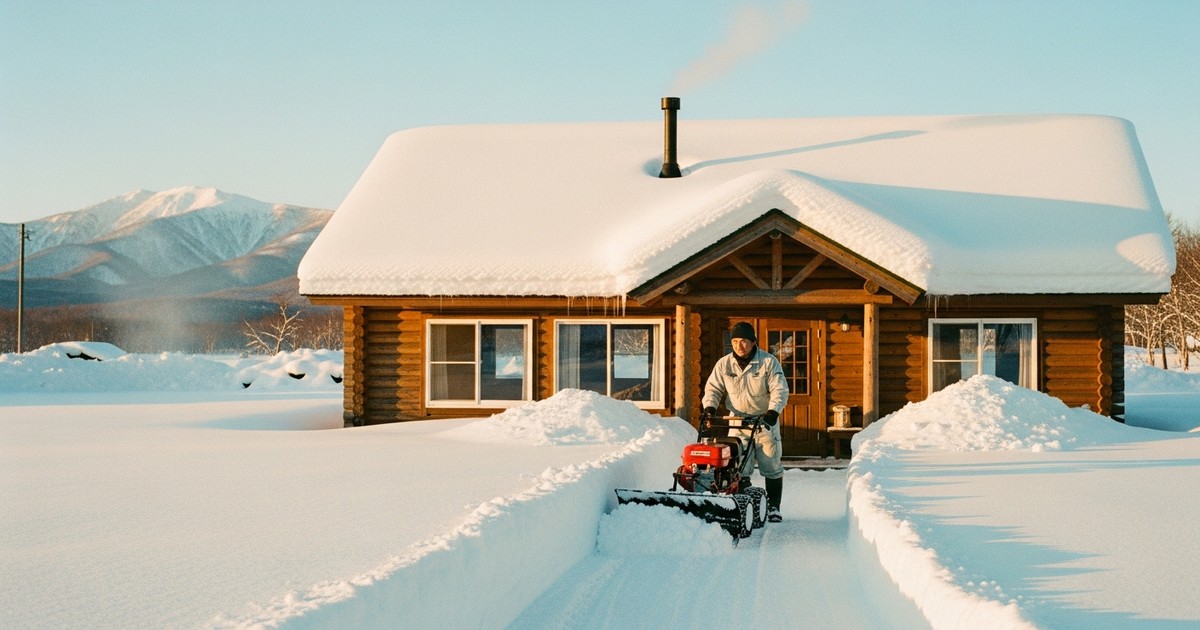
When considering hiring a management company for your vacation rental in Furano, the single most important factor is whether they have a solid winter management system in place. Furano is one of Japan’s most popular ski resort destinations, drawing visitors from both domestic and international markets, and winter accommodation demand here is exceptionally high. However, because of the heavy snowfall, cold-climate-specific tasks like snow removal and freeze prevention are required—demands that are completely different from what’s needed to manage a vacation rental in an urban area.
In fact, it’s not uncommon for vacation rental properties in the Furano area to see occupancy rates exceeding 80% between December and March. At the same time, there have been reports of problems caused by inadequate snow removal—guests unable to check in because of snow piled up at the entrance, or plumbing issues caused by frozen water pipes. To avoid these kinds of risks, it’s essential to carefully select your management company.
This article walks through the specific points to check when choosing a vacation rental management company in Furano, along with typical cost ranges and practical, on-the-ground criteria for evaluation.
Key Criteria for Comparing Vacation Rental Management Companies in Furano
When comparing management companies, it’s risky to judge solely on surface-level information like “low fees” or “extensive track record.” In a cold-climate resort area like Furano especially, you need to apply comparison criteria that don’t exist in urban settings. Using the five criteria below as your baseline will significantly reduce the chance of a mismatch.
Scope of Snow Removal and Winter Management Services
In some years, Furano’s cumulative annual snowfall reaches around 8 meters, making snow removal on the property a routine task. Whether a management company has its own in-house snow removal team or partners with an outside contractor makes a huge difference in response speed and cost. Companies that handle it in-house often complete snow clearing within 2–3 hours of a snowfall, ahead of guest arrival, whereas outsourced arrangements can take half a day or more.
Also, be sure to confirm whether winter management includes more than just snow removal—things like maintaining freeze-prevention heaters on water pipes, checking kerosene tank levels, and taking precautions against roof snow slides. When these are billed as “optional services,” some companies charge an additional 30,000–50,000 yen per month just for winter alone. It’s essential to get a full estimate of total winter management costs before signing a contract.
Fee Structure and Commission Rates
Vacation rental management fee structures generally fall into two categories: “revenue-based (performance-based)” and “flat-fee.” Under a revenue-based model, you pay a commission of 10%–30% of your accommodation revenue (varying by company and scope of services), which carries lower risk during the off-season but results in larger fees during peak periods. In Furano, monthly revenue per property during the winter can reach 500,000–1,000,000 yen, so at a 20% commission rate, that translates to 100,000–200,000 yen per month in fees.
Flat-fee arrangements typically run 50,000–100,000 yen per month, though cleaning and snow removal costs are usually billed separately. Which option is more advantageous depends on your property’s occupancy rate and revenue scale, so it’s a good idea to request an annual revenue and cost simulation and compare the itemized costs across all 12 months.
Multilingual Support and Track Record with Inbound Guests
Most guests visiting Furano are travelers from overseas—particularly ski tourists from Australia, Southeast Asia, and Western countries—making English-language guest support essential. Whether the management company has English-speaking staff on hand and can offer 24-hour support are critical factors to evaluate.
Insufficient multilingual support can lead to trouble caused by inadequate check-in explanations and lower review scores. In fact, data shows that properties with strong English support tend to score 0.3–0.5 points higher on average Airbnb reviews compared to those without. It’s worth asking to see real examples of how the company handles foreign-language inquiries, so you can directly assess the quality of their service.
Cleaning Quality and Turnaround Speed
Cleaning quality is one of the biggest factors influencing a vacation rental’s reviews. In Furano, winter brings extra dirt from boots and ski gear as well as melted snow tracked indoors, requiring a more thorough cleaning standard than usual. Whether the company uses its own in-house cleaning staff or outsources the work affects consistency and quality.
During peak season, same-day checkouts and check-ins occur back-to-back, so it’s also worth confirming how long a full cleaning takes. As a general guideline, a studio to 1LDK unit takes about 1.5–2 hours, while an entire house typically takes 3–4 hours. If cleaning delays repeatedly cause guests to wait past their arrival time, it can quickly tank your review scores and directly reduce future bookings.
Pricing Expertise for Maximizing Revenue
Furano’s vacation rental market experiences dramatic seasonal swings—optimal nightly rates can vary by a factor of two to three or more between the winter peak (New Year’s and Lunar New Year), the summer lavender season, and the quieter off-peak months. Whether a management company has implemented dynamic pricing (adjusting rates based on demand) can make a difference of hundreds of thousands of yen in annual revenue.
For example, one property that had been fixed at 30,000 yen per night during winter peak season was able to achieve rates of 45,000–50,000 yen per night after implementing dynamic pricing. Ask the management company to share past performance data—monthly average rates and occupancy for similar properties in the same area—to confirm they take a data-driven approach to pricing strategy.
Self-Management vs. Professional Management
There are two main approaches to running a vacation rental: “self-management,” where the owner handles everything personally, and “professional management,” where the work is outsourced to a specialized company. Looking at cost alone, self-management may seem like the better deal, but in Furano’s case, you need to factor in the unique burdens that come with a cold climate.
The Benefits and Limitations of Self-Management
The biggest advantage of self-management is avoiding management fees altogether. Since all revenue stays with you, profitability can be strong if occupancy remains stable. Handling guest interactions yourself also makes it easier to build relationships with repeat guests and cut costs through direct bookings.
However, managing a property yourself in Furano requires 1–2 hours of snow removal every morning during winter, plus 2–3 site visits per week to check water pipes and heating equipment. If the property is located far from where the owner lives, this alone can add up to over 20 hours a month. On top of that, owners need to be ready to respond to late-night guest issues or equipment failures, which makes self-management a genuinely difficult option for remote owners.
The Real Cost of Using a Management Company
When using a management company, total annual costs typically run 10%–30% of revenue (varying by company and scope of services). For example, a property earning 5,000,000 yen a year in revenue would incur management fees of 1,000,000–1,500,000 yen. On top of that, cleaning costs run 5,000–15,000 yen per visit (depending on property size), and winter management costs run about 20,000–50,000 yen per month.
On the other hand, there are reported cases where professional price optimization and review management led to a 20%–40% increase in annual revenue compared to self-management. Rather than simply comparing costs, it’s important to evaluate based on “net take-home revenue after deducting management fees.” When working with a management company, it’s wise to set a trial period of at least 3–6 months and decide whether to continue based on the actual revenue data collected.
Checklist to Confirm Before Signing a Contract
Contracts with management companies typically come with a commitment period of six months to a year. To avoid finding yourself thinking “this isn’t what I signed up for,” make sure to confirm the following items in writing before signing.
Contract Term and Cancellation Conditions
If a minimum contract period is set, canceling early may result in a penalty fee. Typical penalty fees range from one to three months’ worth of the monthly management fee. For example, if the monthly fee is 80,000 yen, the penalty could range from 80,000 to 240,000 yen. Be sure to review the cancellation clause in the contract carefully, and try to negotiate for the ability to cancel unconditionally with 30 days’ notice.
It’s also important to check whether contract renewal is automatic or requires mutual agreement each time. With automatic renewal, missing the notice deadline for declining renewal (usually 1–2 months before the renewal date) can result in your contract being extended without your intent.
Reporting Frequency and Transparency
Whether a company provides monthly financial reports is a key indicator of how trustworthy they are. Reputable companies typically provide reports summarizing monthly accommodation revenue, occupancy rates, number of cleanings, guest review trends, and itemized expenses.
Companies that don’t provide reports—or that simply transfer “the difference between revenue and their fee” without explanation—make it harder to see how transparent their expenses are or how well they’re handling guests. It’s best to ask to see a sample report before signing, so you know exactly how much information will be disclosed to you.
Emergency Response Procedures and Contact Systems
During winter in Furano, emergencies like heating failures or burst water pipes can occur. Confirm whether the management company offers 24-hour support and how quickly they can arrive on-site in such situations. Companies based within Furano city itself can often respond on-site within 30 minutes to an hour.
On the other hand, companies headquartered in Sapporo or Asahikawa may take 2–3 hours to arrive depending on winter road conditions. It’s also worth confirming whether the company maintains a list of local equipment contractors for emergencies, and whether they have backup options in place.
For Vacation Rental Management in Furano, Talk to Stay Buddy Inc.
Running a vacation rental in Furano is a field that demands specialized know-how, from cold-climate-specific management tasks to serving international guests. To maximize your property’s earning potential while preventing winter-related problems before they happen, having a partner who deeply understands local conditions is essential.
Stay Buddy Inc. brings extensive experience in vacation rental management and offers comprehensive support, including snow removal and full winter management. We tailor flexible plans to fit your property’s characteristics and your management goals as an owner, helping you maximize revenue and guest satisfaction at the same time.
If you’re thinking about running your Furano property as a vacation rental but feel uneasy about winter management, or if you’re currently unsatisfied with your existing management company’s service, feel free to reach out to Stay Buddy Inc. anytime. We’ll provide concrete recommendations, from an on-site property assessment all the way through to a full revenue and cost simulation.