As side hustles become more widely accepted and work-style reforms continue to reshape Japan’s professional landscape, more and more high-earning, highly skilled professionals—often called “high-class salarymen”—are looking beyond their primary income to build wealth and diversify risk through various side businesses. Amid options like investing, freelance work, and consulting, minpaku (private lodging/vacation rentals) has been drawing increasing attention.
When people think of minpaku, many immediately picture the “Private Lodging Business Act” (commonly known as the new minpaku law). However, the 180-day annual operating cap under this law often gives pause to prospective hosts, who wonder whether the return on investment truly makes sense under such restrictions. This is exactly where Osaka City’s special zone minpaku (tokku minpaku) comes in. With special zone minpaku, you can operate with considerably more freedom, unburdened by the annual day limit. What’s more, Osaka City boasts strong inbound tourism and urban travel demand, making it easier to pursue solid profitability.
In this article, we’ll take a close look at why Osaka City’s special zone minpaku is worth considering as a side business for high-class salarymen, exploring its distinctive features, benefits, and the practical points that matter most for successful operation. We’ll also cover the knowledge you need to build a long-term, stable income stream, along with key considerations for entering the special zone minpaku market—so be sure to read through to the end.
1. Why Minpaku Suits High-Class Salarymen
1-1. Financial Strength to Cover High Initial Investment
High-class salarymen typically enjoy stable, substantial incomes, which makes it easier for them to allocate significant funds toward purchasing property, renovations, and interior investments. Building an attractive minpaku property requires a considerable upfront investment, but with a steady salaried income serving as collateral, these individuals often find it easier to secure financing from banks or cover any funding gaps with their own savings.
1-2. Creditworthiness Makes Securing Properties Easier
When it comes to real estate investment or acquiring/leasing properties, factors like employer reputation, income level, and overall social credibility can carry considerable weight. High-class salarymen tend to score well on these fronts, which often gives them an edge in negotiations with banks and investors, as well as in contract discussions with property owners.
This is especially true when searching for properties suited to special zone minpaku, where quality properties meeting requirements around building age, fire-resistant construction, and location tend to be in high demand. High-income hosts are often better positioned to win out in the competition for these desirable properties and secure favorable contract terms.
1-3. Risk Diversification Backed by Primary Income
When starting a minpaku business as a side venture, figuring out how to cover initial costs and ongoing monthly management fees is a major challenge. However, high-class salarymen with stable primary incomes are better equipped to weather temporary vacancy risks without jeopardizing their livelihood, allowing them to take a long-term approach to operations and plan renovation investments strategically.
Once the minpaku business gains traction, it creates a dual-income structure—salary plus rental income—offering greater financial stability and stronger prospects for future planning.
2. What Is Osaka City’s Special Zone Minpaku?
2-1. A Minpaku Format Exempt from the 180-Day Cap
Under the standard Private Lodging Business Act (the new minpaku law), hosting is capped at 180 days per year. This means that once you hit peak demand periods—such as summer vacation or the New Year holidays—you may reach your limit and be unable to accept further bookings, ultimately constraining your revenue potential.
With special zone minpaku certified by Osaka City, however, there’s no 180-day cap once certain requirements are met, allowing you to operate essentially year-round. Obtaining special zone minpaku approval requires meeting building code and fire safety equipment standards, among other criteria—but clearing these hurdles unlocks the major advantage of pursuing consistently high occupancy rates.
2-2. Capturing Urban Inbound Demand
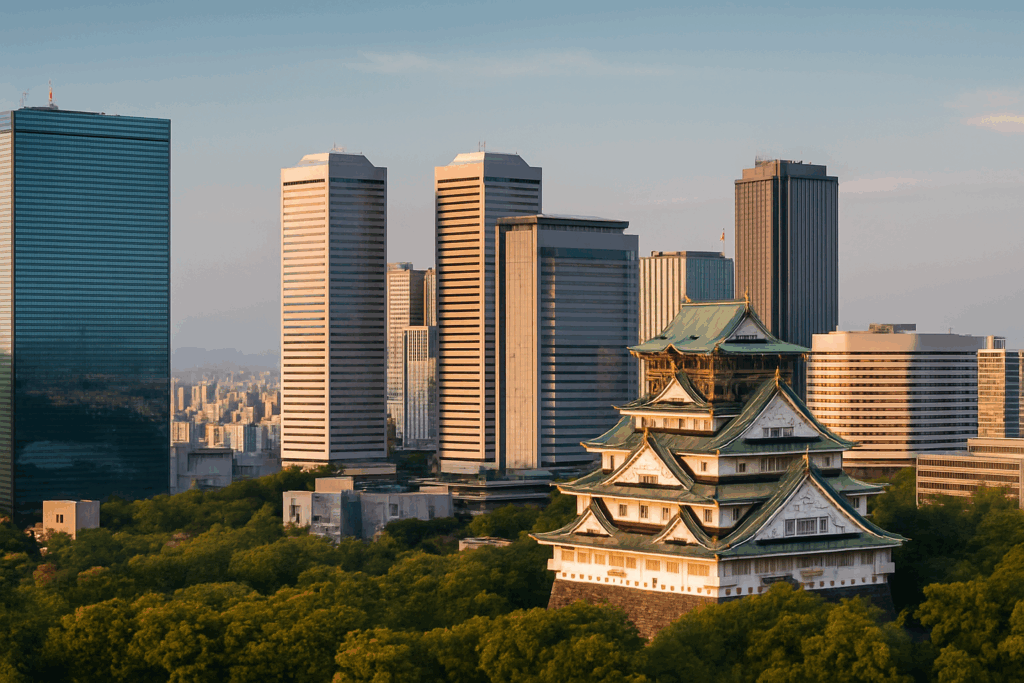
Osaka City is well-connected through hubs like Kansai International Airport and Shin-Osaka Station, drawing a steady stream of inbound tourists and business travelers throughout the year. With attractions like Universal Studios Japan and the vibrant nightlife around Namba and Shinsaibashi, the flow of domestic and international visitors never really lets up. Operating a well-located property at the right price point opens the door to strong profitability.
2-3. Hurdles to Meeting the Requirements
The major hurdle with special zone minpaku is that the requirements are stricter than those for standard private lodging businesses. For instance, local ordinances mandate minimum floor space along with specific fire safety and sanitation standards. That said, clearing these hurdles frees you from the 180-day cap, letting you operate at full capacity during high-demand periods.
For high-class salarymen with solid financial resources, investing in the renovations and equipment needed to meet special zone minpaku requirements is a realistic and achievable goal.
3. Key Points for Profitable Special Zone Minpaku Operation
3-1. Prioritizing Property Selection and Location
Location is everything when it comes to special zone minpaku. Within Osaka City, areas that attract large numbers of tourists include central hubs like Umeda, Namba, Shinsaibashi, and Tennoji, as well as the area around Universal Studios Japan. Choosing a property within walking distance of a train station, surrounded by restaurants and tourist attractions, sets you up for high occupancy rates.
Of course, high land values in these areas mean purchase and rental costs tend to be steep as well. This is precisely where high-class salarymen can leverage their advantage in securing financing to lock in well-located properties.
3-2. Investing in Thoughtful Renovation and Interior Design
Osaka is a city that welcomes a diverse range of travelers from around the world, making interior design a critical factor in a property’s competitive edge. Clearly defining a style—whether it’s modern Japanese, minimalist, or Scandinavian—tailored to your target guests, and creating photogenic spaces, can significantly boost both booking rates and nightly rates.
For high-class salarymen with the budget and taste to invest more heavily in interiors, aiming for a step above standard-budget properties can be a smart strategy. Incorporating art pieces and refined furnishings, for example, can earn strong reviews from affluent overseas travelers and business guests alike.
3-3. Guest Communication and Cleaning Standards
To sustain year-round occupancy under special zone minpaku, you need to maintain a high standard of quality in both reservations and guest service. In particular, check-in/check-out handling and cleanliness directly impact your reviews, so it’s essential to either secure a reliable management company or staff, or build your own dependable system.
- Speed and courtesy in message responses
With international guests in mind, multilingual support is worth considering—more hosts are turning to AI chat tools like ChatGPT to streamline this process - Cleaning quality
Thorough management of sheet and towel changes, bathroom mold prevention, and kitchen grease buildup - 24-hour emergency contact system
Setting up a point of contact that can respond to issues even late at night or on weekends helps build guest trust
3-4. Pricing Strategy and Competitive Analysis
Because special zone minpaku allows operation beyond 180 days a year, you can maximize revenue through dynamic pricing—charging premium rates during peak seasons and lowering them during slower periods. By researching rates at nearby properties and hotels while highlighting your location, interior quality, and the added credibility of special zone minpaku status, you may find that guests are willing to book even at above-market rates.
4. Challenges to Watch Out for in Special Zone Minpaku Operation
4-1. Coordinating with Neighboring Residents
In Japan’s urban areas, and particularly in Osaka City’s residential neighborhoods, good communication with residents matters a great deal. This is especially true when operating minpaku out of a standalone house, where issues like late-night check-ins, noise, and garbage disposal can strain relationships with neighbors and escalate into disputes. It’s important to foster coexistence with the community—for example, by briefing the local neighborhood association in advance and building understanding among nearby residents.
4-2. Compliance with Ordinances and Regulations
Even though special zone minpaku isn’t subject to the 180-day cap, it still requires clearing a range of requirements under the Building Standards Act, Fire Service Act, and local ordinances—often involving more procedures and upfront costs than the standard minpaku law. Seeking expert advice during the property selection stage and consulting with local authorities beforehand can help you avoid future disputes and unexpected renovation costs.
4-3. Cancellation Policies and Complaint Handling
As with any lodging business, how you set your cancellation policy has a direct impact on both revenue and guest satisfaction.
A policy that’s too strict can discourage bookings, while one that’s too lenient risks significant losses from last-minute cancellations. Staff training and robust systems—including for complaint handling—are essential. For high-class salarymen who want to prioritize their primary career, partnering with a management company to build a solid support structure is a smart move.
5. Conclusion: Building a Successful Side Business Through Osaka City’s Special Zone Minpaku
For high-class salarymen considering real estate investment as a side business, Osaka City’s special zone minpaku stands out as a highly compelling option.
Operating in an area with strong inbound tourism and robust domestic travel and business demand—without being constrained by the 180-day cap—opens the door to substantial earning potential. That said, it’s also true that the bar is set higher than with standard minpaku, given the building requirements, fire safety equipment, sanitation standards, and neighborhood coordination involved.
At the same time, high-class salarymen with stable primary incomes are well-positioned to secure the funding and credibility needed for property searches and renovation investments, allowing them to make the most of what special zone minpaku has to offer. Some may even consider co-managing with family, friends, or investment partners—bringing a different perspective on managing profitability and risk than a full-time host would have.
If you’re interested in exploring special zone minpaku, start by carefully researching properties and the relevant regulations, then put appropriate renovations and operational systems in place. By tapping into Osaka’s ever-growing tourism and business demand, minpaku as a side business can not only complement your primary career but also serve as a foundation for long-term wealth building.
For Special Zone Minpaku, Consult Stay Buddy Inc.
If you’re a high-class salaryman aiming for strong returns through Osaka City’s special zone minpaku, but feel uncertain about the requirements or operational know-how, we invite you to reach out to Stay Buddy Inc.
Our experienced team offers comprehensive consulting services, from property selection and application procedures to renovation and interior design advice, as well as guest service and cleaning management. Even amid the complexities of special zone minpaku ordinances, building codes, and fire safety equipment requirements, we provide thorough support to help you launch your operation with confidence—paving the way for glowing reviews and stable, reliable income.