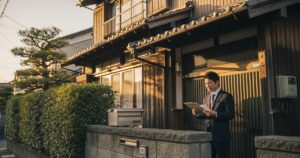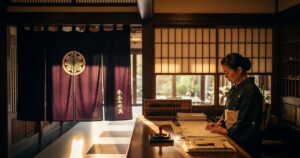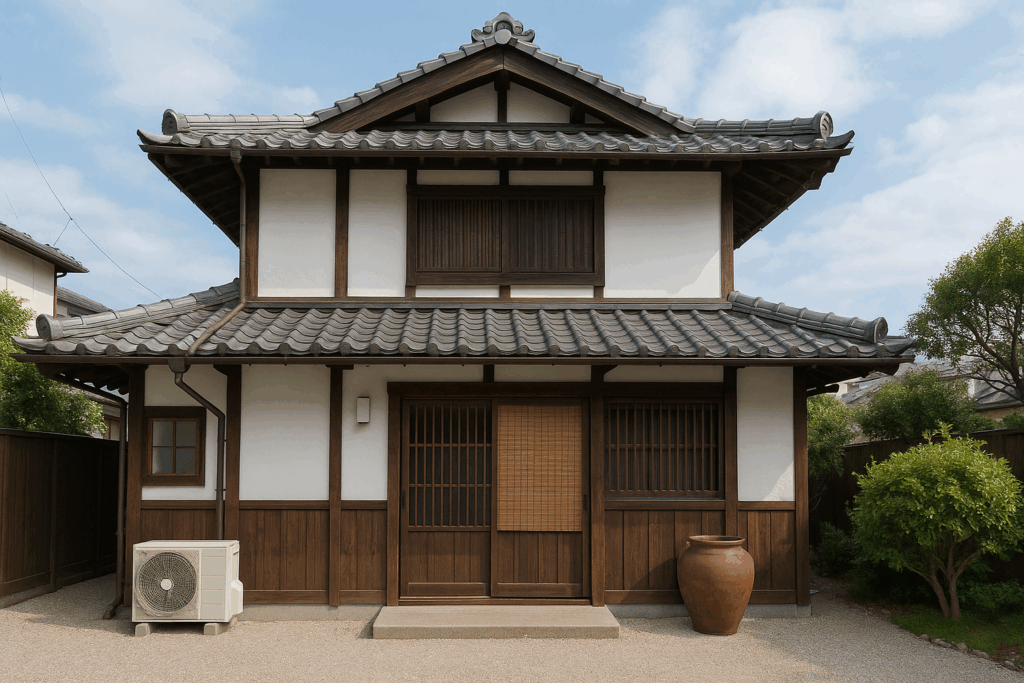
Minpaku and lodging facilities that make use of traditional Japanese houses (kominka) are experiencing a boom, and along with this trend, kominka renovation is drawing significant attention.
From overseas visitors who love the charming exteriors unique to Japan and the atmosphere created by old-fashioned beams and pillars, to many others, more and more people now say “I’d love to stay in one at least once.” In Osaka especially, inbound demand is on a recovery trend, and the number of guests seeking unique lodging experiences continues to grow.
However, simply renovating a kominka and putting it up for rent as a standard residential property comes with certain limits on rental income. On the other hand, if you renovate a kominka and operate it as a Special Zone minpaku, offering accommodation services year-round, you may be able to expect significantly higher profitability compared to traditional rental. While there are hurdles such as regulatory requirements and initial investment costs, the benefits that come from overcoming them are exactly what make Special Zone minpaku so appealing.
This article is written for those considering kominka renovation in Osaka, as well as property owners who want to “make the most of a kominka to achieve high profitability.” We’ll explain in detail why Special Zone minpaku is a recommended option, and what differences exist between it and traditional rental in terms of income potential.
1. Why Kominka Renovation Is Gaining Attention
1-1. A Surge in Demand for Japanese Cultural Experiences
Among overseas travelers and domestic tourists interested in Japanese culture, the desire to **”stay in an old Japanese house”** is growing rapidly. The distinctive charm and traditional elements like tatami mats and shoji screens—things you won’t find in Western-style hotels—offer a fresh experience for many guests.
Osaka in particular attracts large numbers of tourists, and beyond its food culture (okonomiyaki, takoyaki, and the like) and vibrant cityscape, there’s a growing desire among visitors to quietly experience Japan’s old-fashioned living spaces. Against this backdrop, more and more owners are renovating kominka and offering them as minpaku accommodations.
1-2. The Vacant House Problem and Regional Revitalization
Even in urban areas, the increase in vacant houses has become a notable social issue, with many old buildings left abandoned. Making effective use of these properties is seen as one promising solution for maintaining and enhancing regional asset value—and kominka renovation plays a key role in this effort.
What’s more, rather than simply renting out these properties—which would be a waste of their old structures and character—renovating them into attractive tourism assets can help bring new life and vitality to the local area. This is one of the true rewards of kominka renovation.
2. What Is Special Zone Minpaku?
2-1. Minpaku Without the 180-Day Annual Limit
When people hear “minpaku,” many think of the Private Lodging Business Act (the “new minpaku law”), which imposes an 180-day annual operating limit. Because of this restriction, operators can’t run their properties at full capacity even during peak demand periods, meaning missed revenue opportunities.
Special Zone minpaku, on the other hand, is a system independently established by local municipalities under Japan’s National Strategic Special Zones framework. As long as certain requirements are met, operators are exempt from the 180-day limit and can offer accommodation year-round. Osaka City, which sees particularly strong inbound demand, has actively adopted this system—meaning that pairing it with kominka renovation opens up the potential for high occupancy rates.
2-2. Stricter Building and Fire Safety Requirements
Naturally, Special Zone minpaku is subject to stricter building and fire safety standards than the standard new minpaku law. In addition to fire-resistant equipment, fire extinguishers, and secured evacuation routes, kominka properties may require their own unique renovations. However, clearing these requirements comes with the major benefit of being able to operate year-round without significant restrictions.
When renovating a kominka, you should also consider structural reinforcement and earthquake-resistance work. Planning with these requirements in mind from the start helps reduce the risk of delayed openings due to compliance issues being flagged later.
3. The Appeal of Converting a Kominka into Special Zone Minpaku in Osaka
3-1. Strong Demand and Interest from Inbound Visitors
Tourist numbers in Osaka have rebounded strongly since the pandemic, and demand for unique, Osaka-specific lodging experiences is on the rise. While traditional Japanese-style inns and hotels certainly exist, accommodations that let guests enjoy the retro atmosphere of old wooden houses still face relatively limited competition.
For overseas travelers, experiencing traditional Japanese architecture and its distinctive spaces holds tremendous appeal, and as a result, more and more people are thinking “I want to stay there at least once.” If your main target is inbound guests, combining kominka properties with Special Zone minpaku represents a real opportunity for revenue growth.
3-2. Year-Round Availability
As mentioned earlier, the new minpaku law’s 180-day operating limit means operators can run out of available days even during high season, when they’d want to maximize occupancy. Special Zone minpaku has no such restriction, making it well suited to Osaka—a city with a steady, uninterrupted flow of business and leisure travelers—where you can aim for stable, year-round occupancy.
By adjusting rates and plans around seasonal events (new attractions at USJ, festivals in Umeda or Namba, international conferences and exhibitions, and more) and introducing dynamic pricing, you increase your chances of both attracting guests during slow periods and maximizing revenue during peak season.
4. Comparing Income Potential: Rental vs. Special Zone Minpaku
4-1. Income from Traditional Rental
Suppose you renovate a kominka and offer it as a rental property. In this case, your rent stays fixed each month, and even for a large house or one with multiple rooms, the ceiling is determined by local rental market rates. For example, if the going rate in Osaka City is around ¥100,000–¥150,000 per month, annual income in many cases will top out around ¥1.2 million–¥1.8 million.
Of course, if the property sits vacant, you earn zero income during that period, and depending on the terms of the lease, a tenant could end up staying long-term, leaving you unable to flexibly adjust rent or repurpose the property—another downside of this approach.
4-2. The Potential of Special Zone Minpaku
On the other hand, if you operate the property as Special Zone minpaku, depending on its size, location, and booking rates, you might reasonably set a nightly rate of ¥10,000–¥20,000 or more. If you can secure an average of 20 booked nights per month, a simple calculation puts your monthly revenue potential at ¥200,000–¥400,000 or higher.
Naturally, there are costs to factor in—cleaning fees, utilities, management/operation fees—and there will inevitably be days without guests, so it’s not guaranteed that you’ll always out-earn a traditional rental. That said, there are real examples of properties that, by capitalizing on peak seasons and inbound demand, generate income that far exceeds what a standard rental would bring in.
Still, there’s a lot to consider—initial equipment costs, advertising expenses, staffing costs, and more—so whether you’ll see quick returns really depends on the appeal of the property and how well it’s operated.
5. Key Points for Operating a Kominka Special Zone Minpaku
5-1. Renovation with Attention to Detail
When renovating a kominka, it’s important to preserve the appeal of traditional Japanese architecture while properly equipping the space with amenities that keep guests comfortable—air conditioning, floor heating, showers, Wi-Fi, and the like. Keeping original beams, tatami mats, and sliding doors intact may raise maintenance costs, but if you’re leaning into the traditional Japanese atmosphere as a selling point—marketing the property around “an authentic Japanese cultural experience”—that investment is well worthwhile.
That said, be sure to incorporate the requirements demanded by Special Zone minpaku, such as earthquake reinforcement and securing fire safety and evacuation routes. Consulting with local authorities and specialists before beginning renovations—and clarifying exactly which parts of the building’s structure and facilities need work—is the surest way to avoid trouble down the road.
5-2. Japanese Culinary Experiences and Local Partnerships
If you’re operating a Special Zone minpaku out of a kominka, it’s also effective to incorporate Japanese culinary experiences or partnerships with local shopping streets, creating plans that let guests connect with the local culture. For example, offering an okonomiyaki kit for guests to cook themselves, or providing a barbecue experience featuring ingredients from nearby farms, gives guests a sense of “a special experience they can only have here”—which makes it much easier to build repeat business and generate buzz on social media.
Don’t forget the basics of hospitality either, such as providing multilingual information on how to access nearby tourist attractions.
6. Conclusion: Consider Special Zone Minpaku for Your Kominka Renovation in Osaka
If you’re planning a real estate investment involving kominka renovation in Osaka City, the Special Zone minpaku option is well worth serious consideration.
Compared to the fixed monthly income you’d earn from a standard rental, Special Zone minpaku has the potential to significantly boost your revenue—provided you pair the right operations with strong demand. And while the bar for building and fire safety standards is higher, the biggest advantage remains the freedom to operate year-round, with no 180-day limit holding you back.
Of course, renovating a kominka can require a substantial upfront investment, and there are plenty of challenges to work through—earthquake and fire safety measures, establishing management and cleaning systems, and more. Even so, kominka properties that offer distinctly Japanese charm and “an experience you can’t get anywhere else” tend to draw strong attention from both domestic and international guests—which, in turn, often translates into excellent reviews and high occupancy rates.
If you own a kominka property in Osaka, or are considering purchasing one to launch a unique new business, now is a great time to get a clear picture of the pros and cons of Special Zone minpaku and start preparing thoroughly. With the right combination of great location and a compelling concept, you may find profitability that sets you apart from what traditional rental alone could ever offer.
Let Stay Buddy Help with Your Kominka Renovation in Osaka
If you’re interested in operating a kominka in Osaka City as a Special Zone minpaku, or if you have questions or concerns you’d like resolved, please don’t hesitate to reach out to Stay Buddy Co., Ltd.
Drawing on our experience helping numerous minpaku properties succeed, we provide comprehensive support—from confirming building and fire safety requirements, to planning kominka-specific renovations, to setting pricing and managing guest communications. Let’s work together to turn your kominka into a thriving Special Zone minpaku that not only generates new income but also helps revitalize the local community in Osaka City. We look forward to hearing from you.