Many owners running a minpaku (private lodging) in Furano wonder whether they can hand things over to a management company just for the winter months. Demand for Furano minpaku is concentrated in the winter ski season, but that same season brings a heavier management burden—snow removal, freeze prevention, and other cold-climate-specific tasks. This is exactly why a winter-only property management service has become such an attractive option. In this article, we’ll walk through whether winter-only management is actually possible in Furano, what it typically costs, and what to watch out for.
Maybe you can handle things yourself in summer, but winter is simply too much to manage alone. Or perhaps you live far away and on-site management during winter is physically impossible. For owners facing these challenges, outsourcing management for the winter season alone can be a realistic solution. That said, whether a company will take on such an arrangement—and under what terms—varies widely, so there are important points to check in advance.
Can You Outsource Furano Minpaku Management for Winter Only?
The short answer is yes, winter-only management is possible. However, not every management company offers short-term contracts. Most operate on an annual-contract basis, and only a limited number accept season-specific arrangements. Since staffing up for Furano’s busy winter season requires real resources, companies must weigh the risks and benefits before accepting this kind of contract.
Companies that do accept winter-only contracts typically charge higher fees than they would for a standard annual agreement. While annual contracts usually run 15–20% of revenue, winter-only arrangements often climb to around 20–30%. This is because building staffing and operations for a short period costs more per booking. Even so, with nightly rates in winter Furano ranging from ¥20,000 to ¥50,000, owners can still expect solid profits even after the higher management fee.
Why Winter Minpaku Management in Furano Requires Professional Support
The Burden of Snow Removal
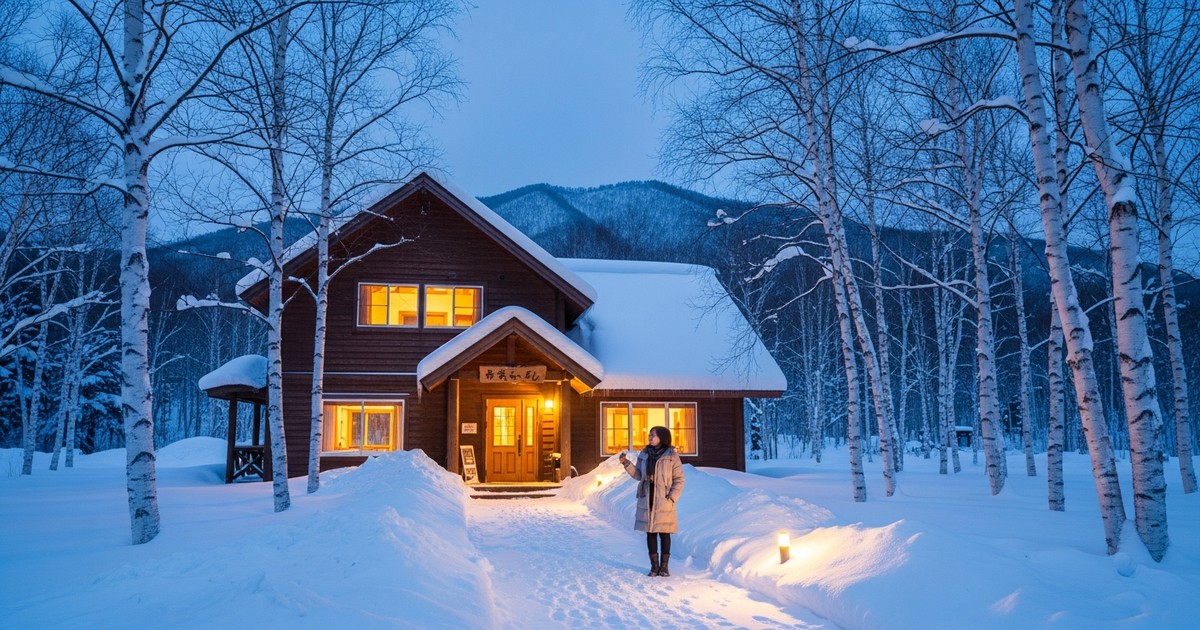
Furano sees heavy snowfall, and accumulation of over a meter is common from December through March. Minpaku properties require daily snow clearing around entrances, parking areas, and emergency exits. If snow removal isn’t finished before a guest’s check-in, it can lead to poor reviews or even cancellations. For self-managed owners, daily snow clearing alone can eat up one to two hours—a significant burden for anyone managing multiple properties.
The Need for Immediate Response to Freezing Issues
With outside temperatures sometimes dropping below -20°C, frozen pipes and heating system failures are common in Furano. If a boiler stops working while guests are staying, someone needs to respond immediately—even in the middle of the night. Management companies with local staff on standby can often be on-site within 30 minutes to an hour, which is a major advantage for maintaining guest satisfaction. Handling this kind of emergency over the phone from a distance simply isn’t realistic.
Multilingual Support for International Guests
Winter in Furano draws large numbers of ski tourists from Australia and Southeast Asia, meaning English communication becomes essential. Beyond explaining check-in procedures, hosts also need to clearly convey cold-climate-specific instructions like how to use the heating system and local garbage sorting rules. Management companies typically have multilingual message templates and manuals ready to go, which dramatically reduces language-related issues.
Cost Estimates for Winter-Only Management
Typical Management Fees
For winter-only contracts, fees generally range from 10% to 30% of revenue, depending on the company and scope of services. For example, if you book 20 nights a month at ¥30,000 per night, that’s ¥600,000 in monthly revenue—at a 25% fee, that’s ¥150,000 for management. This may seem pricier than an annual contract, but when you factor in the cost of hiring your own snow removal contractor, plus the time and travel expenses of responding to emergencies yourself, outsourcing often ends up being the more economical choice overall.
Additional Costs to Expect
On top of the management fee, you may be billed separately for outsourced snow removal, linen changes, and restocking consumables. In the Furano area, snow removal typically runs ¥3,000–5,000 per visit, and linen changes cost about ¥2,000–3,000 per set. Clarifying exactly what’s included in the management fee before signing a contract helps you avoid unexpected expenses. It’s essential to review “winter-specific additional costs” item by item during the quoting stage.
Preparing for a Successful Winter-Only Management Arrangement
Pre-Season Equipment Maintenance
If you plan to hand off management for winter, you’ll want to have your boiler, water heater, and heating system inspected by November. Inspections typically cost ¥10,000–30,000, but repairs for a breakdown mid-season can run ¥100,000 or more. If equipment issues exist when the management company takes over, it can create confusion over who’s responsible—leading to disputes. It’s best to document the condition of all equipment with photos or video before handover, and share this record with both parties.
Setting Contract Terms and a Handover Schedule
Winter management contracts typically run for four months, from December through March. However, since snow can start falling in Furano as early as late November, some owners opt for a roughly five-month contract running from mid-November through early April. Plan for at least two weeks for the handover process—including transferring keys, confirming cleaning standards, and greeting neighbors. If you wait until right before the season to start looking for a management company, you may find they’ve already stopped accepting new clients, so it’s ideal to begin inquiries in September or October.
Aligning on Pricing Strategy and Occupancy Targets
Before handing off management, it’s important to align with the company on pricing strategy. Nightly rates in winter Furano can spike during the New Year holidays and Lunar New Year, sometimes reaching 1.5 to 2 times the normal rate. During peak periods, rooms can sell out even at ¥50,000 or more per night, while mid-January through early February tends to be quieter—so a flexible pricing strategy is essential. If you’re aiming for a monthly occupancy rate of 70% or higher, choosing a management company that supports dynamic pricing will help maximize your revenue.
Risks and Considerations for Winter-Only Management
Lower Priority Compared to Annual Contracts
For management companies, properties under annual contracts represent a stable source of revenue. Properties under winter-only contracts risk being deprioritized when staff resources are stretched thin during peak season. You can reduce this risk by clearly defining service-level expectations in the contract—for example, specifying a response time of “within one hour” for guest inquiries, and setting a clear timeframe for cleaning turnaround before check-in.
Transitioning Back After the Season Ends
When your winter management contract ends in early spring, you’ll need to transition the property back to self-management. This includes checking inventory of supplies and amenities used by the management company, transferring guest reviews, and reassigning account access for booking platforms. In particular, if listings on Airbnb or Booking.com were managed under the company’s own account, review history may not transfer over when you switch back—so it’s important to clarify account ownership before signing the contract.
Key Points to Check When Choosing a Management Company
Track Record in Cold-Climate Areas
Your top priority should be choosing a company with proven experience managing minpaku in cold-climate regions like Furano or Niseko. Companies based in urban areas often lack the know-how for freeze prevention and snow removal, and may struggle to handle winter-specific issues. Ask about the number of properties they’ve managed and specific track records, and if possible, seek feedback from current owners they work with.
Confirming Emergency Response Capabilities
In winter Furano, if the heating stops in the middle of the night, it can quickly become a guest safety issue. Confirm in advance whether the company has a 24-hour emergency contact line, staff stationed locally, and a list of partner equipment repair contractors. A company that says emergencies will be “handled the next business day” simply isn’t suited for winter operations in Furano.
Flexibility for Winter-Only Contracts
Willingness to offer short-term contracts varies significantly between companies. When making inquiries, be sure to clarify: “Is a winter-only contract possible?”, “What’s the minimum contract length?”, and “What are the terms for early termination?” Companies that offer flexibility in these areas also tend to be more willing to customize their proposal to fit your specific management style.
Contact Stay Buddy Inc. for Minpaku Management Support
If you’re considering winter-only minpaku management, we invite you to reach out to Stay Buddy Inc. We have a proven track record managing properties across a variety of regions—including cold-climate areas—and offer flexible, season-limited contract options.
At Stay Buddy Inc., we provide one-stop support for everything your property needs during winter operations: snow removal, emergency response for equipment issues, and multilingual guest communication. We also offer customized quotes for management fees and contract terms based on your property’s characteristics and expected occupancy.
If you’re thinking, “I want to outsource just for winter, but I’m not sure who to ask” or “I’d like a clearer sense of the costs involved,” please don’t hesitate to contact us. After learning about your property’s situation, we’ll propose the management plan that best fits your needs.
To make your winter minpaku operation in Furano a success, our experienced team at Stay Buddy Inc. is ready to serve as your trusted partner. Please reach out to us via our official website or by phone.