
Leave Your Minpaku Property Management to Us
Free Online ConsultationJapan’s rainy season brings the highest humidity levels of the year, making it a prime time for mold, dust mites, and unpleasant odors to take hold. For minpaku (vacation rental) operators, having guests stay in a damp, muggy room creates serious discomfort and can seriously hurt your review scores. Futons, carpets, and sofas are especially prone to becoming breeding grounds for mold and dust mites, raising hygiene concerns as well.
On the flip side, tackling moisture control before the rainy season really sets in doesn’t just keep guests comfortable—it also slows down wear and tear on your building and furnishings, which translates into real cost savings down the road. In this article, we’ll walk you through 10 essential humidity-control measures every minpaku operator should have in place before the rains arrive.
From mold and mite prevention to ventilation, air conditioning management, and linen/futon care, we’ll cover specific, practical methods you can put into action right away.
1. Cut Off Mold and Odors at the Source: A Thorough Check of Water-Use Areas
1-1. Inspect Bathroom and Washroom Ventilation Fans and Exhaust Vents
During the rainy season, bathrooms and washrooms are among the most mold-prone spots in the property. Start by checking whether the exhaust fans and vents are working properly.
If the filters haven’t been cleaned in a while, dust and grime can clog them and drastically reduce ventilation efficiency. Before the rains begin, be sure to remove the fan covers, clean them thoroughly, and make sure the exhaust vents are clear. Simply removing built-up dust can make a big difference in how effectively moisture and odors are expelled.
1-2. Remove Mold and Slime from Drains
Drains in showers and washrooms tend to accumulate hair and soap scum, which if left unattended becomes a breeding ground for slime and mold. It’s important to remove the drain cover for cleaning and use pipe cleaners regularly to clear out buildup deep inside the pipes.
Because water doesn’t dry as quickly during the rainy season, slime can multiply rapidly. Frequent cleaning and disinfection are essential to ensure guests feel a sense of cleanliness every time they use these spaces.
2. When Humidity Peaks, Let Dehumidifiers and Air Conditioners Do the Work
2-1. Positioning and Using Dehumidifiers Effectively
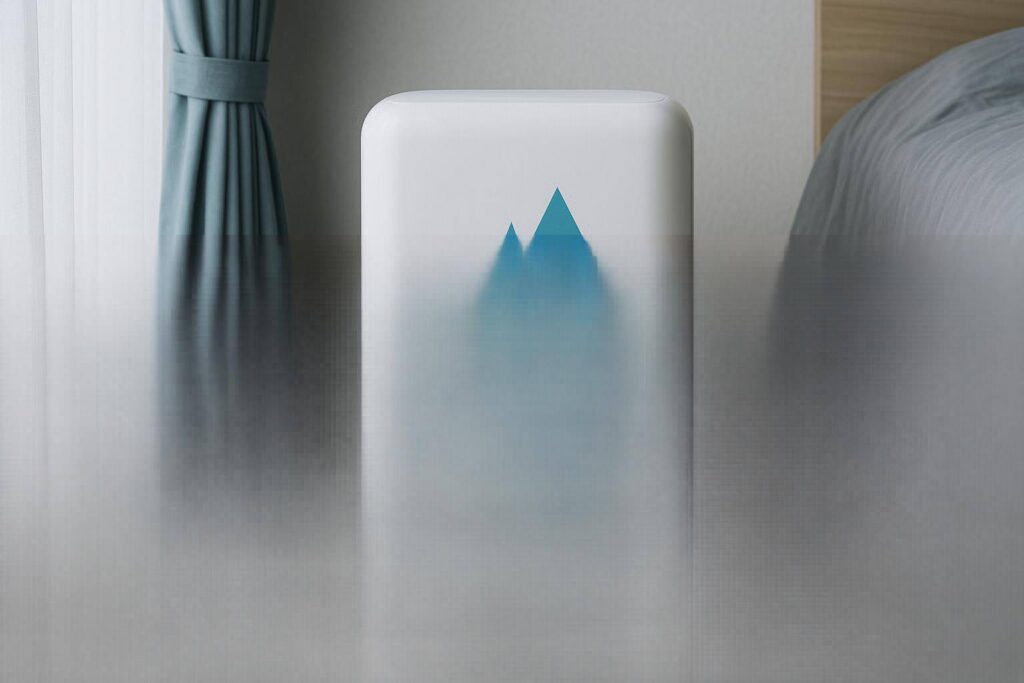
Before the rainy season hits, having dehumidifiers ready to run makes it much easier to control humidity levels throughout the property. This is especially effective in poorly ventilated areas like second floors or basements, as well as enclosed spaces such as closets and storage rooms, where placing a dehumidifier can significantly curb mold and dust mite growth.
For larger properties, placing one dehumidifier per floor can improve overall efficiency. That said, running multiple units will increase electricity costs, so it’s worth considering energy-efficient models with humidity sensors or timer functions.
2-2. Make Full Use of Your Air Conditioner’s Dehumidify Function
Many air conditioners come equipped with a “dry” mode in addition to standard cooling. This setting can effectively lower humidity without overcooling the room. If you have guests staying for extended periods, it’s a good idea to let them know about this dry mode feature.
However, if dust or mold builds up on the air conditioner’s filter or heat exchanger, not only does performance drop, but it can also become a source of unpleasant odors—so regular maintenance is a must.
3. Dust Mite Control for Futons and Bedding
3-1. Sun-Drying Bedding or Using a Futon Dryer
One thing you can do before the rains start is to get in the habit of sun-drying futons and mattresses whenever the weather is clear—this is a great way to keep dust mites at bay. Once the rainy season sets in, though, sunny days become scarce, so using a futon dryer to heat and dry the bedding from the inside is another effective option. Many modern futon dryers even come with a dedicated mite-elimination setting, and running it regularly can dramatically reduce mite populations.
3-2. Switch to Mite-Resistant Sheets and Covers
Using mite-resistant sheets and futon covers for guest bedding helps suppress mite breeding. While these covers can be pricier, they often pay off in the long run by reducing cleaning costs and guest complaints—so it’s worth weighing the cost-benefit. Choosing washable options also makes it easier to maintain hygiene through regular laundering.
4. Ensuring Ventilation and Airflow Pathways
4-1. Regular Window Opening and Air Circulation
It’s easy to keep windows shut during the rainy season since it rains so often, but it’s important to deliberately open them whenever there’s a break in the weather or a dry spell, allowing air to circulate. Letting trapped indoor moisture escape and bringing in fresh air helps lower the risk of mold and dust mites.
Some properties may have rooms with poor airflow, in which case using a circulator or electric fan to force air movement can be very effective. It’s also a good practice to establish a routine where cleaning staff open windows wide right after checkout to quickly ventilate the space and release built-up humidity.
4-2. Keep the Entrance and Balcony Clean
If the area around the entrance door or the balcony is dirty, rain can carry mud and bacteria into the interior along with moisture every time it rains. Before the rainy season arrives, clean up the entrance area and clear out any clogs in the balcony drains. Standing water from poor drainage can make humidity problems even worse.
5. Choosing the Right Mold Remover and Deodorizer
5-1. Mold Removers Suited to Different Surfaces
When choosing a mold remover, it’s important to select a product suited to the surface—wallpaper, tile, wood, or tatami all require different care. Using the wrong product can cause discoloration or damage the material. In particular, strong chlorine-based mold removers designed for bathrooms can cause significant damage if used on wallpaper or tatami, so use caution.
5-2. Using Deodorizers—and What to Watch Out For
Deodorizers can be effective for odor control, but if an air freshener’s scent is too strong, it can actually make guests uncomfortable. Where possible, use unscented deodorizers or activated-carbon deodorizing sheets to keep the air naturally clean throughout the room. If you do use an air freshener, choose a subtle scent and avoid overusing it.
Leave Your Minpaku Property Management to Us
Free Online Consultation6. Mold and Moisture Control for Closets and Storage Spaces
6-1. Use Slatted Boards or Desiccants to Lift Items Off the Floor
Placing belongings or futons directly on the bottom of a closet or storage space allows moisture to accumulate underneath, which often leads to mold. Laying down slatted boards to lift items slightly off the floor creates space for air to flow, improving ventilation. Placing desiccants (such as silica gel or charcoal) in several spots also makes it easier to manage humidity inside these enclosed spaces.
6-2. Open Doors Regularly to Keep Air Circulating
Closets and storage areas that guests don’t open often need special attention during the rainy season—make sure to set aside time to leave the doors open. Establishing a rule for cleaning staff, such as “leave the doors open for about 10 minutes to air things out,” helps prevent these spaces from staying sealed shut for long stretches. Avoid overpacking clothes and linens too; leaving some breathing room improves airflow and keeps moisture from building up.
7. Furniture and Curtain Placement Adjustments
7-1. Keep Furniture a Little Away from Walls
When furniture or beds are pushed flush against a wall, moisture tends to build up in the gap between the wall and the furniture. This is a particularly common cause of mold on walls during the rainy season. Leaving a gap of a few centimeters allows air to flow through, improving ventilation and lowering the risk of mold growth.
7-2. Wash and Reassess Your Curtains
Curtains do a lot to shape the feel of a room, but they’re also fabric that readily absorbs moisture. Taking curtains down for a wash before the rainy season and rehanging them once fully dry helps prevent mold. For materials that can’t be washed, consider professional dry cleaning or switching to curtains with antibacterial and odor-resistant properties.
8. Positioning Appliances with Airflow in Mind
8-1. Placement of Air Conditioners and Circulators
Arranging furniture and positioning circulators so that air conditioner airflow can reach every part of the home helps even out humidity differences between rooms. Since windows tend to stay shut for long stretches during the rainy season, deliberately creating air circulation is key. Circulators can ventilate a large area quickly, so even just one unit can make a noticeable difference.
8-2. Ventilation Around Storage Furniture
For large storage furniture and refrigerators, it’s a good idea to leave a few centimeters of space between the unit and the wall—not just to let heat escape, but also to prevent moisture from getting trapped behind it. This makes cleaning the back easier too, while improving airflow and helping prevent condensation and mold.
9. Extra Measures for Long-Term Guests and Families
9-1. Providing Ways to Dry Laundry
Long-term stays and families with children tend to generate more laundry, and drying it indoors can raise humidity levels and contribute to mold and odor problems. Having a washer-dryer combo unit or a bathroom dryer on hand helps keep indoor humidity in check while easing the burden on guests.
It also helps to designate an indoor drying area and let guests know they can use it alongside a circulator or dehumidifier—this way you can highlight the benefit of faster-drying laundry.
9-2. Reducing Health Risks for Young Children
For guests traveling with young children or infants, dust mites and mold are a major health concern. Keeping linens and carpets sanitary—and being able to show that bedding and floors stay consistently dry—makes your property a much more appealing choice for families.
10. Bringing In Property Management Services or Specialists
10-1. The Moisture-Control Expertise of Cleaning Service Companies
It’s safe to assume that cleaning during the rainy season is more demanding than usual.
Catching mold and odor issues early is especially important. If your cleaning service partner has specialized know-how in moisture control, you can trust them to handle regular deodorizing and dehumidifying tasks, as well as mold removal using appropriate cleaning agents. It’s also worth setting up a system for receiving regular photo reports so you can remotely check for signs of mold or staining.
10-2. Professional Mold and Mite Extermination
If mold has already spread extensively, or if you’re dealing with a serious mite infestation, calling in a professional mold remediation or pest control company is the safest way to minimize risk. Leaving a problem that’s beyond DIY solutions unaddressed can directly affect guest health and your review scores, so it’s best to bring in the experts sooner rather than later.
Conclusion: Prepare Before the Rainy Season to Protect Guest Satisfaction and Property Longevity
The humidity of Japan’s rainy season accelerates the growth of mold and dust mites and worsens odors in minpaku properties—all of which can drag down guest comfort and review scores at once. But by steadily implementing the measures covered in this article before the rains arrive, you’ll face far fewer problems than if you went into the season unprepared, and you’ll be much better positioned to avoid complaints and low ratings.
- Inspect water-use areas, clean drains, and make full use of air conditioners and dehumidifiers to manage humidity throughout the property
- Take thorough dust-mite precautions with futons and bedding to give guests a comfortable, worry-free place to sleep
- Open doors regularly and arrange furniture with airflow in mind to prevent mold and odors before they start
- Strengthen collaboration with cleaning staff and specialists, and maintain quality through ongoing, consistent effort
There’s no reason the rainy season has to mean lower guest satisfaction. In fact, properties with solid moisture-control measures in place tend to experience fewer problems and can cut down on long-term operating costs. Get fully prepared for the rainy season, and you’ll be able to sail through the busy summer-to-autumn high season with stability—boosting both your occupancy rate and your review scores along the way.
For Minpaku Cleaning, Talk to Stay Buddy Inc.!
If you’re an owner or property management company looking for reliable support with rainy-season moisture control, cleaning, facility maintenance, and guest communication for your minpaku operation, we invite you to reach out to Stay Buddy Inc.
Drawing on our extensive experience, we can support your minpaku operation across a wide range of areas—from developing cleaning know-how and maintenance procedures to staff training and booking system implementation. Let’s work together to build a top-quality property that earns great guest reviews even during the rainy season, thanks to thorough moisture-control measures. Please feel free to get in touch with us anytime.