Leave Your Minpaku Management to Us
Free Online ConsultationMinpaku—turning vacant rooms and properties into short-term rental accommodations—has become increasingly common. Since the pandemic, many travelers have been drawn to stays that offer a different experience from traditional hotels and ryokan, and as a result, the number of owners interested in the minpaku business continues to grow at an accelerating pace.
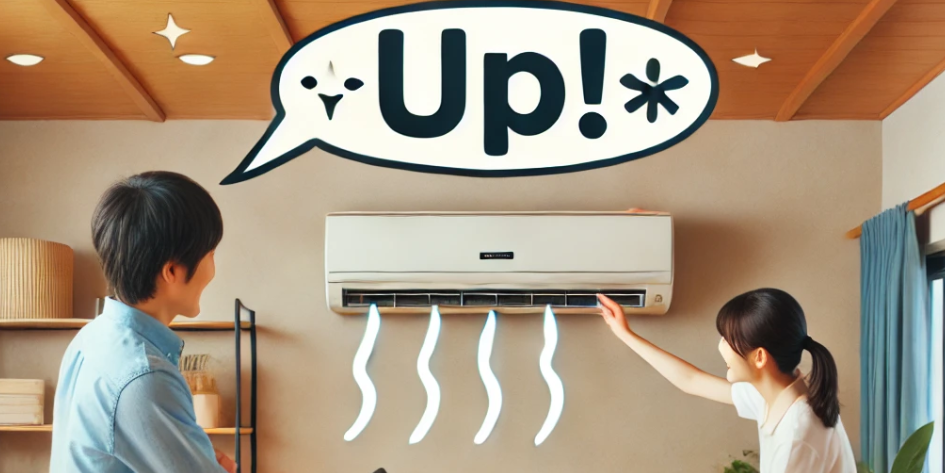
However, once you actually start running a minpaku, you’ll discover various “hospitality hurdles” you never anticipated. Among these, one factor with an especially significant impact is “air conditioner selection.” If you don’t install an air conditioner suited to the climate, room size, and characteristics of the building, you risk seriously lowering guest satisfaction.
This article offers a simple, easy-to-understand summary of “key points for choosing an air conditioner for your minpaku.” We’ll explain why “never cutting corners” is essential, how to properly follow tatami-mat size ratings, and the impact on electricity costs—covering both guest satisfaction and operating costs. Air conditioner performance is a critical factor that can make or break your minpaku’s reviews. Be sure to check it out.
Never Cut Corners on Air Conditioning
An air conditioner is the cornerstone of hospitality. Skimping here can lead to unexpected trouble and a flood of complaints.
Higher Risk of Breakdown
If you install an overly cheap air conditioner, concerns about durability and part quality naturally remain. Having the unit suddenly break down and stop cooling or heating while a guest is staying is something every minpaku owner absolutely wants to avoid. Even if you rush to call a repair technician, ordering replacement parts can take time, and during busy seasons, you might not get immediate service. In the meantime, the guest staying at your property will feel “extremely uncomfortable” and is likely to leave a negative review.
Weak Cooling/Heating Power Leads to Poor Reviews
Spending time in a room with poor air conditioning during Japan’s sweltering summer heat or bitter winter cold is nothing short of miserable. No matter how appealing the interior or location, if the temperature isn’t comfortable, the overall rating of your minpaku will suffer. This is especially true for guests visiting from overseas, who are often unaccustomed to Japan’s climate—proper climate control is a critical factor in their overall satisfaction during their stay.
Electricity Costs Can End Up Higher
It’s a common misconception that “a cheap air conditioner means lower electricity bills.” In fact, running an inefficient, low-energy-saving unit at full capacity often drives electricity costs up. Modern air conditioners feature advanced inverter technology, and while units with higher energy efficiency may cost more upfront, they often prove more cost-effective in the long run.
Follow the Tatami-Mat Size Rating—And Better Yet, Leave Some Margin
When choosing an air conditioner, you’ll notice labels like “for X tatami mats.” Many manufacturers offer product lineups suited to different room sizes—for example, 6-mat, 10-mat, or 14-mat units. While this labeling is just a general guideline, deviating from it significantly will reduce the air conditioner’s efficiency and change the overall comfort level of the room.
Don’t Undersize the Rating
Choosing a clearly underpowered unit—such as installing a 6-mat-rated air conditioner in a 10-mat room—carries significant risk. Since the unit won’t meet the required cooling or heating capacity, it will be forced to run at full power constantly, both in summer and winter. This not only accelerates wear and performance degradation but also increases the likelihood of guest complaints like “it’s not cooling at all” or “it’s not warming up.”
The Benefits of Choosing a Slightly Larger Size Rating
In reality, comfort levels vary depending on the room’s shape, ceiling height, and amount of sunlight, so it’s safer to choose an air conditioner with a size rating that has some margin built in. Units designed for larger rooms have extra power capacity, allowing them to cool or heat the room quickly. This also means less time spent running at full power, which conveniently leads to better energy efficiency.
Tips for Choosing an Air Conditioner That Won’t Hurt Guest Satisfaction
For today’s minpaku operators, an air conditioner is as essential as a hoe or sickle once was to a farmer. Just as a farmer who neglects to properly care for their tools risks jeopardizing that year’s harvest, choosing the wrong air conditioner for your minpaku can end up affecting your business itself. Here, we’ve put together some concrete ideas and selection tips to help you avoid disappointing your guests.
Energy Efficiency and Durability
When choosing an air conditioner, it’s important to take a long-term view and determine how efficiently it can minimize power consumption. Units with high energy efficiency tend to have a somewhat higher upfront cost, but for a property that guests use frequently, that price difference can often be recovered within a few years.
Quiet Operation and Ease of Use
Many minpaku guests leave the air conditioner running late into the night. A noisy unit can disrupt sleep and become a source of dissatisfaction. It’s worth choosing a product with good noise reduction and checking whether the airflow direction and volume can be finely adjusted.
It’s also important that the remote control is intuitive and easy to use. If you expect international guests, consider offering multilingual instructions or remote control labeling as well.
Regular Maintenance and Filter Cleaning
Even with a brand-new air conditioner, neglecting filter cleaning and checks around the outdoor unit will steadily reduce cooling and heating efficiency.
Indoor filters in particular tend to accumulate dust, and if left unattended, they can become a breeding ground for mold and unpleasant odors. By setting up a regular maintenance schedule, or coordinating with your management company or cleaning staff to make filter cleaning a routine task, you can keep your air conditioner running at peak performance at all times.
How to Control Air Conditioner Power Consumption and Electricity Costs
Minpaku is a business model where utility costs can fluctuate significantly depending on how guests use the property. Since guests are free to use the air conditioner as they like, it can be difficult for owners to directly monitor usage. Even so, there are several measures you can take to keep electricity costs down while still providing a comfortable indoor environment.
Install an Inverter Air Conditioner
Air conditioners equipped with inverter technology adjust the compressor’s rotation speed based on the room’s temperature, minimizing wasted power consumption. Even if guests use the unit for extended periods, once the room reaches the target temperature, it switches to a gentler operating mode, helping to prevent a sharp rise in electricity costs.
Consider Insulation Measures Too
If the building itself has poor insulation, room temperature will quickly be affected by outdoor conditions no matter how good your air conditioner is. Small measures like applying insulating film to windows or sealing gaps with weatherstripping can make a surprisingly big difference in cooling and heating efficiency. Insulation upgrades do require upfront investment, but since they directly improve guest comfort and reduce electricity costs, they offer significant benefits over the long term.
Remote Management Through Smart Home Technology
In recent years, smart home technology has made it possible to control air conditioners remotely. Owners can monitor guest usage and, for example, remotely turn off the unit if it’s left running after checkout. However, since this raises privacy and usability concerns, it’s important to inform guests in advance or clearly establish rules around this practice.
Never Skimp on Air Conditioning Investment
Cutting corners on an initial investment like air conditioning carries a high risk of coming back to bite you. To achieve stable, long-term revenue, it’s essential to invest generously in quality furniture and equipment. Air conditioning is a factor that greatly influences guest comfort, and effective temperature control alone can determine whether guests think “this minpaku was comfortable” and “I’d love to stay here again.”
- Don’t cut corners: The risk of breakdowns and weak performance can lead to fatal low ratings
- Follow the tatami-mat size rating: Better yet, choose a slightly larger size rating for extra capacity margin
- Energy efficiency and durability: A higher upfront investment often pays off with lower costs down the road
- Ease of use and quiet operation: Consider whether guests will find it stress-free to use
- Regular maintenance: Never skip filter cleaning and part inspections
Contact Stay Buddy Inc.
If you’re starting a minpaku business and feel uncertain about equipment investment plans—including air conditioning—or about operational procedures, please don’t hesitate to contact Stay Buddy Inc. We provide comprehensive support ranging from optimal climate control settings and interior coordination tailored to each property, to guest acquisition and cleaning management. Let’s work together to create a customized plan that boosts guest satisfaction for your property.