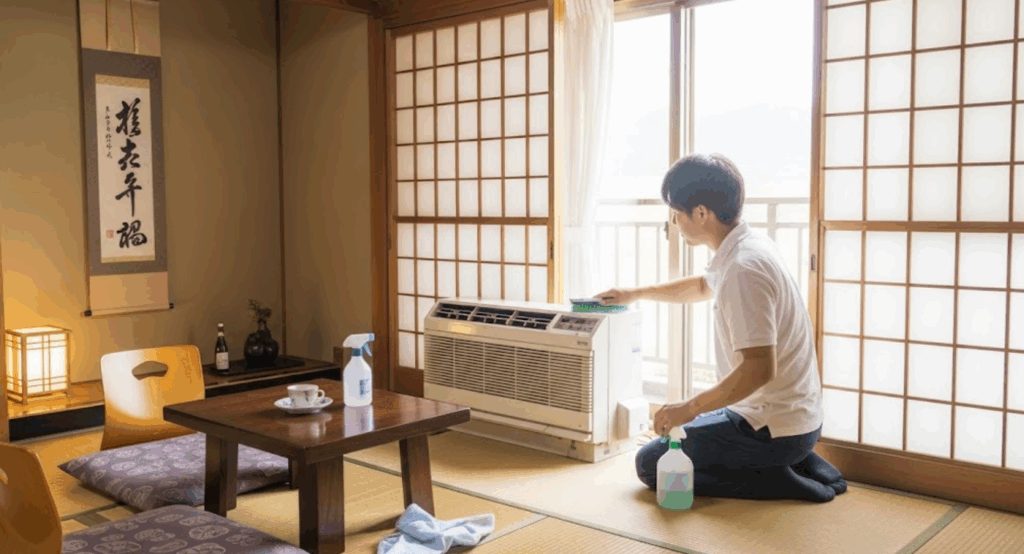
Summer is finally here! For short-term rentals, summer is a peak season that brings in a surge of guests for travel and leisure. While this presents a great opportunity to boost your occupancy rate, it also calls for special preparations unique to summer—things like heat management and hygiene considerations.
“Do I need to do any special maintenance before summer hits?”
“I’m worried the air conditioner might not be working properly…”
“What should I do about bugs?”
If you’ve had thoughts like these, you’re not alone—many short-term rental hosts do. Summer is when you really get to show off what you can offer guests in terms of comfort. However, neglecting the right maintenance can lower guest satisfaction and even lead to unexpected trouble.
That’s why this article walks you through 5 essential maintenance tasks to tackle before summer to help your short-term rental thrive during this busy season. Taking care of these tasks in advance will let you deliver an outstanding guest experience and earn glowing reviews. Read on to the end and put these tips to work for your property.
1. Thorough Air Conditioner Inspection and Cleaning
When it comes to short-term rentals in summer, it’s no exaggeration to say that the air conditioner is the single most important piece of equipment for guest comfort. Japan’s summers are notoriously hot and humid, and if the AC isn’t working properly, guests simply can’t stay comfortable—which leads directly to complaints and dissatisfaction.
Why It Matters
- Providing a comfortable indoor environment: A cool space is essential for guests to relax. This is especially true for international guests who may not be used to Japan’s intense summer heat, making proper cooling a must.
- Preventing trouble: An AC breakdown during a guest’s stay causes major stress and may require emergency repairs. This isn’t just costly and time-consuming for hosts—in the worst cases, it can lead to cancellations or negative reviews.
- Saving on electricity costs: Regular cleaning and maintenance improve cooling efficiency, helping to cut down on wasted power consumption.
What You Should Actually Do
- Clean the filters: Clean the AC filters at least once a month. Dust buildup reduces cooling efficiency and drives up electricity costs. If the filter is washable, rinse it, let it dry completely, then put it back in place.
- Check the outdoor unit: Make sure nothing is blocking the area around the outdoor unit or covering its vents. Poor airflow reduces cooling efficiency. Clear away any fallen leaves or debris.
- Run a test: Actually run the cooling mode and check that it cools properly, and listen/smell for any unusual noises or odors. A musty smell is a sign that internal cleaning is needed.
- Consider professional cleaning: Every few years, it’s worth having a professional thoroughly clean the unit’s interior. This removes mold and grime that filters alone can’t catch, extending the AC’s lifespan and keeping the air clean.
- Replace remote control batteries: While you’re at it, replace the batteries in the AC remote just to be safe.
2. Mold Prevention and Odor Checks in Wet Areas
The hot, humid summer months make it easy for mold to develop in bathrooms, sinks, kitchens, and other wet areas. On top of that, unpleasant odors—often from drains—can significantly hurt guest satisfaction.
Why It Matters
- Maintaining a sense of cleanliness: Mold and bad smells seriously damage the perceived cleanliness of your property. No matter how nice the interior looks, unsanitary wet areas will leave guests with a bad impression.
- Preventing health issues: Mold can trigger allergies. Thorough prevention measures are essential for protecting guest health.
- Earning positive reviews: Clean wet areas are a key factor in helping guests feel at ease during their stay, which translates into great reviews.
What You Should Actually Do
- Thorough mold removal: Check the bathroom walls, floor, ceiling, seals, and shower curtain for mold, and remove it thoroughly with a dedicated cleaner. Don’t forget to clean the ventilation fan filter as well.
- Clean and deodorize drains: Bathroom, sink, and kitchen drains easily clog with hair and food debris, causing odors. Use a pipe cleaner regularly, or disassemble and clean the drains, to prevent clogs and smells.
- Ensure proper ventilation: Encourage your cleaning staff—and guests—to run the ventilation fan for a while after using the bathroom, or to open a window to keep air circulating.
- Use dehumidifiers: Place dehumidifying agents in closets, storage spaces, and shoe cabinets—anywhere moisture tends to build up—to prevent mold growth.
- Remove limescale buildup: Limescale on faucets and showerheads also detracts from a clean appearance. Remove it regularly using citric acid or a similar solution.
3. Pest Control and Screen Door Inspections
Summer is peak season for pests like mosquitoes, fruit flies, and cockroaches. No matter how beautiful your property is, an insect sighting can instantly ruin a guest’s impression.
Why It Matters
- Eliminating guest discomfort: Most people find insects unpleasant. Mosquito bites in particular cause itching and swelling, which can seriously dampen a guest’s satisfaction with their stay.
- Preventing hygiene issues: Pests like cockroaches can potentially cause food poisoning or spread infections. Thorough pest control is essential for maintaining a sanitary environment.
- Protecting your reputation: Insect sightings tend to lead directly to negative reviews. A comment like “there were bugs” can seriously discourage other potential guests from booking.
What You Should Actually Do
- Inspect and repair screen doors: Check window and entrance screens for tears or gaps, and repair them immediately if found.
- Check and seal gaps: Look for any spots where insects could get in—gaps around doors and windows, cracks in walls, or openings around drain pipes—and seal them with caulking material.
- Set out insecticides and repellents: As needed, place insecticides, roach traps, or mosquito repellent devices (like Vape). Keep in mind that some guests are sensitive to scents, so choose unscented options or think carefully about where you place them.
- Address drain openings: Clean bathroom and kitchen drains regularly and make sure covers are properly closed to prevent insects from coming up through them.
- Manage trash thoroughly: Encourage guests to use a trash can with a lid for food waste and to dispose of it frequently rather than letting it sit.
- Maintain the yard: If your property has a yard, remove weeds regularly and take steps to prevent standing water from forming.
Leave Your Short-Term Rental Management to Us
Free Online Consultation4. Hygiene Management for Bedding and Linens, and Switching to Summer Bedding
Summer nights bring more night sweats, which means bedding and linens get dirty faster. To help guests sleep comfortably through hot, humid nights, it’s also important to provide summer-appropriate bedding.
Why It Matters
- Enabling comfortable sleep: Thick comforters and blankets simply don’t work for a hot night’s sleep. Summer bedding with good moisture absorption and breathability improves guests’ sleep quality.
- Ensuring hygiene: Bedding soiled with sweat and body oils becomes a breeding ground for odors and dust mites. Clean bedding gives guests a sense of comfort and peace of mind.
- Preventing allergic reactions: Dust mites and mold can trigger allergies. Regular laundering and swapping out bedding shows consideration for guests with allergies.
What You Should Actually Do
- Switch to summer bedding: Put away winter items like down comforters and thick blankets, and switch to lighter, more breathable summer options like towel blankets and light quilts.
- Thoroughly wash and dry linens: Always wash and fully dry sheets, pillowcases, duvet covers, and towels between every stay. Pillowcases in particular tend to absorb a lot of sweat, so pay special attention to them.
- Care for mattresses and pillows: Regularly air out mattresses and pillows in a well-ventilated spot, or clean them with a dedicated cleaner. Using waterproof, dust-mite-resistant sheet covers is also a great idea.
- Keep spares on hand: Since guests sweat more in summer, having spare sheets and pillowcases ready ensures comfort and lets you respond quickly if something needs to be swapped out.
- Use fragrance-free deodorizers: To keep unpleasant odors away from bedding areas, consider using an unscented deodorizing spray.
5. Rechecking Your Wi-Fi Setup and Emergency Contact Information
Summer brings more tourists, and with them, higher demand for internet access. It’s also a season prone to unexpected trouble, so this is a good time to double-check your emergency contact system as well.
Why It Matters
- Access to information and communication: Wi-Fi is a lifeline for guests looking up travel information or staying in touch with family and friends. A smooth internet connection is a basic requirement for a comfortable stay.
- Handling emergencies: Summer is when emergencies like typhoons, heavy rains, or heatstroke are more likely to occur. Making sure guests have a way to reach someone in a crisis is a fundamental host responsibility.
- Impact on reviews: Poor Wi-Fi performance is a common source of guest complaints and can hurt your reviews.
What You Should Actually Do
- Check Wi-Fi speed and stability: Test the connection speed and stability from a guest’s perspective. It’s best to test during times when multiple devices might be connected at once. If needed, restart the router or reach out to your provider.
- Display the password clearly: Post the Wi-Fi network name (SSID) and password somewhere easy to find in the room, in large, legible text.
- List emergency contacts: Prepare a list of contacts guests can reach in case of fire, sudden illness, equipment failure, or other emergencies, and post it in the room or place it somewhere easy to find. Specifically, consider including:
- The host’s emergency contact number
- Contact information for the nearest hospital or clinic
- Contact information for the fire department and police
- Locations of nearby convenience stores and supermarkets
- Update your local information guide: Refresh your guest-facing information tools (such as a digital guidebook) with details on summer-only events like festivals, fireworks displays, and nearby beaches to boost guest satisfaction.
- Prepare chargers and plug adapters: It’s an easy detail to overlook, but having chargers (USB-C, Lightning, etc.) and a few plug adapters on hand for international guests is always appreciated.
Conclusion
Running a short-term rental in summer is a fantastic opportunity to create unforgettable memories for your guests, but it also demands careful, detailed preparation on the host’s part. Use the “5 Essential Maintenance Tasks to Tackle Before Summer” covered in this article as your guide:
- Thorough Air Conditioner Inspection and Cleaning
- Mold Prevention and Odor Checks in Wet Areas
- Pest Control and Screen Door Inspections
- Hygiene Management for Bedding and Linens, and Switching to Summer Bedding
- Rechecking Your Wi-Fi Setup and Emergency Contact Information
Taking care of these tasks in advance will let you provide guests with a comfortable stay and earn excellent reviews.
Air conditioning, wet-area maintenance, and pest control in particular have a direct impact on guest satisfaction. Don’t skip your preparation—welcome your guests with a fully ready property. Attention to these details will strengthen your brand and help you build a base of returning guests.
Contact Stay Buddy for Help with Operational Efficiency and Maintenance
Not sure where to start with summer maintenance? Want to manage your property more efficiently? Looking for advice on how to earn better guest reviews? If you’re facing any of these challenges with your short-term rental, we’re here to help.
At Stay Buddy Inc., we offer comprehensive support—from developing year-round maintenance plans that keep your property guest-ready, to full operational management and marketing strategy. Our expert team will propose tailored solutions for your property to help boost guest satisfaction and secure stable revenue.