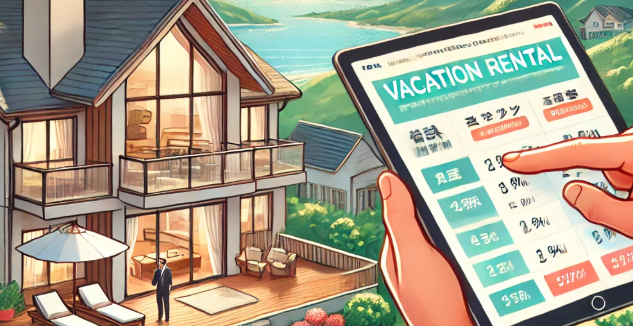
Leave Your Minpaku Management to the Experts
Free Online ConsultationMore and more owners are turning their vacation homes—once used only occasionally and left sitting empty most of the year—into income-generating assets by leveraging Japan’s Private Lodging Business Act (commonly known as the “Minpaku Law”).
Vacation homes offer spacious layouts and stunning natural surroundings, giving guests an experience quite different from what a typical city-center property can provide. At the same time, there are challenges to work through—minpaku permit applications, coordination with management associations, and the unique cleaning demands that come with larger properties. This article is written for real estate owners looking to operate their vacation homes as minpaku rentals, covering:
- The benefits and risks of vacation home minpaku
- Required procedures (minpaku permit applications) and license types
- Operational essentials, including minpaku cleaning
- Guest acquisition strategies unique to vacation homes (minpaku marketing)
- Success stories and practical steps
We’ll break these topics down clearly from an expert perspective. By the end of this article, you should have a solid grasp of the big picture of vacation home minpaku and the tools you need to launch your operation smoothly.
1. Why Vacation Home Minpaku Is Gaining Attention
1-1. Offsetting the “Wasted” Cost of Maintaining a Vacation Home
If you own a vacation home, you’re well aware that ongoing costs—property tax, management fees, and renovation expenses as needed—never really stop. The less frequently you use the property, the more it feels like money is flowing out year-round with nothing coming back. By renting the property out as minpaku during the periods you’re not using it, you can put an idle asset to work and potentially cover part or even all of your maintenance costs through rental income.
1-2. Growing Tourism Demand and Diversifying Accommodation Needs
Vacation homes located in resort or tourist areas see a surge of travelers hunting for affordable accommodation, especially during peak seasons when hotel rooms are hard to come by. Additionally, demand from families and groups wanting to “rent out a whole house” has been rising, making properties with spacious interiors and scenic natural surroundings especially attractive. Growing demand from inbound tourists and remote “workation” travelers has further fueled this trend, with the private space that only a standalone house can offer drawing interest from guests both in Japan and abroad.
1-3. The Benefit of Still Being Able to Use It Yourself
One of the biggest appeals of vacation home minpaku is that owners can still use the property themselves. Unlike running a hotel, you’re not locked into renting it out year-round—instead, you can adopt a style where the home is only opened to guests during the periods you’re not using it. You can block off dates around your own trips with family and friends, allowing you to balance personal use with monetization.
2. Benefits and Risks of Operating a Vacation Home as Minpaku
2-1. Benefits
- Lower Maintenance Costs and Added Income
If minpaku revenue covers your vacation home’s annual expenses (management fees, taxes, etc.), your actual financial burden drops significantly. In resort areas, you may even be able to command premium nightly rates during peak seasons, and with good management, you could end up with real profit left over. - Contributing to the Local Community
In areas facing accommodation shortages or looking to boost tourism, minpaku is often welcomed by local governments as a new way to attract visitors. Partnering with tourism associations to actively bring in guests can also help energize the local economy. - Flexibility Around Your Own Schedule
As mentioned earlier, one major advantage over running a full-scale hotel is the flexibility of operation. You can secure a reasonable number of operating days while still balancing your own use of the property, which is why it’s become a popular “just-right” side business.
2-2. Risks
- Trouble with Management Rules or Neighbors
Vacation home communities and resort condominiums often have strict management rules, and if lodging businesses are prohibited under those rules, running a minpaku may be difficult. Since owners aren’t typically on-site, there’s also a risk that guest noise or improper trash disposal could strain relationships with neighbors—something to watch closely. - Risk of Operating Illegally
Even vacation homes are subject to legal requirements—**operating without following the proper procedures under the Private Lodging Business Act or the Hotel Business Act (i.e., without a minpaku permit) is illegal.** To avoid the risk of receiving guidance or a suspension order from local authorities, filing the correct paperwork in line with the law is essential. - Low Occupancy During the Off-Season
Resort areas often see a dramatic gap between peak and off-peak demand. If you run the property year-round at the same rate without any adjustments, bookings can dry up significantly during slow periods, dragging down your overall occupancy. Smart pricing strategies and promotions to drive minpaku bookings will be key to avoiding this.
3. The Basics of Required Permits and Procedures (Minpaku Applications)
3-1. The Private Lodging Business Act (“Minpaku Law”)
The Private Lodging Business Act, commonly known as the “Minpaku Law,” took effect in June 2018, opening the door for individuals to legally operate private homes and vacation properties as short-term rentals. That said, there’s a cap of 180 days of operation per year, and you must file a minpaku application (notification) with the local government where the property is located. Some municipalities have their own additional ordinances, and getting your application accepted may require installing fire safety equipment and completing various paperwork.
Key Points of the Private Lodging Business Act
- A cap of 180 operating days per year (some local ordinances shorten this further)
- An obligation to create and retain a guest registry
- Regular hygiene management (cleaning, linen changes, etc.)
- Setting up a complaint contact point and notifying nearby residents, among other requirements
3-2. Comparing the Hotel Business Act and Special Zone Minpaku
- Hotel Business Act: No cap on annual operating days, but fire safety and hygiene standards are much stricter. Requirements like minimum room size and having a front desk can make it difficult to use a vacation home as-is.
- Special Zone Minpaku: A separate system available only in certain designated areas (National Strategic Special Zones). Rules and required documentation vary by municipality, so thorough research beforehand is essential.
Since most owners find that around 180 operating days a year is plenty, filing under the Private Lodging Business Act tends to be the more common route. That said, if you’re aiming to run a full-fledged, year-round lodging business, the Hotel Business Act may be worth considering too.
3-3. An Overview of the Application Process
- Survey the Property and Check the Management Rules
If your property is part of a vacation community or condominium, check the management association’s rules to see whether minpaku operation is permitted. - Consult with the Local Government Office
For applications under the Private Lodging Business Act, the local health center or tourism department is often the point of contact. They’ll explain fire safety equipment and structural requirements. - Prepare the Necessary Documents
Floor plans, an overview of facilities, documentation of neighbor notifications, a waste disposal plan, and more—the exact requirements vary in detail from one municipality to the next. - Submit the Application/Notification
Beyond a document review, an on-site inspection may also be conducted. If facilities or fire prevention measures fall short, you may be asked to make corrections. - Start Operating After Approval
Once you receive your certificate of acceptance, you’re free to begin operating. However, any changes to what you originally reported must be promptly communicated to the local government.
4. The Importance of “Minpaku Cleaning”: Considerations Unique to Vacation Homes
4-1. Cleanliness Is What Makes or Breaks Your Reviews
When travelers choose where to stay, “cleanliness” is one of the top priorities they look for. Vacation homes in particular tend to have larger floor plans and more furniture and decor, which means cleaning naturally takes more time and effort. Sloppy cleaning that leads to poor reviews can cause bookings to plummet afterward, so treating minpaku cleaning quality as a top priority is essential.
4-2. Building a Checklist and Cleaning Schedule
- Cleaning Checklist
- Kitchen (disinfecting sink and dishware, disposing of trash)
- Bathroom/toilet (dealing with mold, water stains, and drain odors)
- Living room (mopping floors, dusting, cleaning windows)
- Bed-making (changing sheets and pillowcases, managing linens)
- Yard/terrace (clearing fallen leaves, cleaning BBQ equipment, etc.)
- Cleaning Schedule
Understand the interval between checkout and the next check-in, and make sure you have enough staff and time to complete cleaning without delays even during peak season. Since staffing can be difficult to secure in resort areas, planning well in advance is a must.
4-3. Thoughtful Touches with Linens and Amenities
- High-Quality, Coordinated Linens
Using linens with matching colors and materials helps create the upscale feel that fits a vacation home and tends to boost guest satisfaction. - Well-Stocked Amenities
Providing hotel-grade shampoo, body soap, toothbrushes, and similar items often earns positive mentions of “great amenities” in reviews. - Managing Linen Inventory
During busy periods with multiple back-to-back bookings, laundry may not keep pace, so it’s important to keep a sufficient stock of spares on hand.
4-4. Key Points When Using a Cleaning Service
- Hire a Local Cleaning or Management Company
A company familiar with the layout and scale of properties in the area can clean much more efficiently. - Clarify the Scope of Work
Spell out exactly what’s included—how trash disposal is handled, whether yard weeding is part of the job, etc.—ahead of time to avoid unexpected disputes over additional charges. - Regular Quality Checks
If you’re managing remotely, it can be hard to verify the state of the property after cleaning, but having the cleaning team send photo reports or a video walkthrough periodically is one way to maintain quality control.
5. Vacation Home Minpaku Marketing: Strategies for Both Peak and Off-Peak Seasons
5-1. Listing on OTAs (Online Travel Agencies)
Listing your property on major travel platforms like Airbnb, Booking.com, and Rakuten Travel puts it in front of a large pool of domestic and international travelers. Airbnb in particular has become almost synonymous with minpaku, tends to rank well in search results, and as guest reviews accumulate, bookings often become even easier to secure.
5-2. Dynamic Pricing (Adjusting Rates)
Demand at resort destinations fluctuates significantly with the seasons and local events. The ideal approach is to set higher rates during peak season and offer discounts or promotions during slower periods to draw in bookings, maximizing revenue across the entire year. Some minpaku management companies now use AI-driven dynamic pricing systems, and there are cases where this has meaningfully improved average occupancy rates.
5-3. Leveraging Social Media and Local Partnerships
- Instagram and Facebook
Share eye-catching photos of the scenery around your vacation home and its interior to encourage shares and spread the word. Strong visuals are especially important for reaching overseas guests. - Local Tourism Associations and DMOs
Presenting your property alongside information on local activities and events makes it more compelling to travelers planning their itinerary. - Reviews and Repeat Guests
Vacation home minpaku’s biggest strength is the “private feel that hotels can’t match,” and satisfied guests are known to become repeat visitors at high rates. Setting up post-stay follow-ups and repeat-stay discounts can help encourage guests to come back.
5-4. Targeted Promotions by Guest Type
- Families and Group Travelers
- Highlight BBQ facilities, multi-car parking, kids’ amenities, and similar features.
- Workation Travelers
- Promote high-speed Wi-Fi, a desk, a comfortable chair, and other features that make for a “great environment for getting work done.”
- Affluent Travelers and Couples
- Play up luxury touches like a private pool or terrace. Partnering with a private chef service can make the offering even more appealing.
6. Success Stories: Owners Who Made Vacation Home Minpaku Work
6-1. Boosting Profits Significantly Through Seasonal Pricing
Case A: An owner of a vacation home in a ski resort area of Hokkaido had been charging the same rate year-round, which left occupancy sluggish outside of ski season. After introducing dynamic pricing—setting rates slightly above market average in winter and offering discounted “nature experience” packages in summer—annual occupancy rose by roughly 1.5 times. Thanks to increased peak-season sales combined with more off-season bookings, total annual revenue ultimately grew 1.5x compared to the previous year.
6-2. Improving Cleaning Quality to Earn Higher Reviews
Case B: An owner running a traditional-style vacation home on the outskirts of Kyoto initially struggled with low occupancy due to negative reviews mentioning “dusty” conditions and “bugs.” After contracting a local cleaning service and establishing a system where a professional team thoroughly cleans every corner and changes all linens after every checkout, glowing reviews like “surprisingly clean” and “a comfortable stay” started pouring in, pushing the average rating above 4.8 stars. This also improved the listing’s search ranking, leading to a sharp rise in bookings.
6-3. Turning Local Attractions Into Repeat Business
Case C: An owner running a vacation home near the beach in Okinawa capitalized on the location by offering a “private beach experience” and a local-ingredient BBQ set as add-on options. With cooperation from nearby residents, the owner also organized unique experiences like fishing port tours, earning praise from guests for offering “a special stay you can’t get anywhere else.” Repeat guests have grown steadily, and the property maintains stable occupancy year-round.
7. Steps to Launch Your Vacation Home Minpaku Smoothly
Building on everything covered so far, here’s a concrete step-by-step guide for first-time owners starting a vacation home minpaku business.
Step 1. Assess the Property’s Potential and Check the Management Rules
- Coordinate with the Management Association and Neighbors
For resort condominiums or developments, check whether the rules prohibit lodging businesses. If restrictions exist, you’ll need to have a thorough discussion with the management association. - Research the Local Market
Look into hotels and other minpaku properties in the area to understand pricing, occupancy rates, and location factors, then figure out how your vacation home can stand out.
Step 2. Complete the Minpaku Application Process
- The Private Lodging Business Act or the Hotel Business Act?
If operating within 180 days a year works for you, the Private Lodging Business Act is typically the go-to choice. - Obtain and Submit the Required Documents at the Local Government Office
You’ll typically need floor plans, details on installed fire safety equipment, and a plan for notifying nearby residents. Be thorough when preparing these, since missing documents can mean having to resubmit. - Begin Operating Once Approved
Once your application is accepted and you receive your operating certificate or notification of approval, you’re ready to start. Some ordinances impose restrictions—like “weekends only”—so be sure to check in advance.
Step 3. Set Up a Cleaning System and Linen Management
- Hire a Cleaning Service or Manage It Yourself
Since vacation home areas often face staffing shortages, we recommend contracting with a local cleaning company as a safety net for times when you can’t be on-site yourself. - Cleaning Checklists and Photo Reports
Setting checklist items for each room and piece of equipment, then having the cleaning team submit photo reports afterward, helps keep quality consistent. - Manage Amenity and Supply Inventory
Keep at least a few sets of towels and sheets on hand at all times, and plan for restocking as needed.
Step 4. Promote Your Property to Drive Minpaku Bookings
- List on OTAs
Start by listing on major platforms like Airbnb, Booking.com, and Rakuten Travel, and build up positive reviews over time. - Invest in Great Photos and Compelling Descriptions
Consider hiring a professional photographer to fully showcase what makes your vacation home special. - Partner with Social Media and Local Tourism Associations
Sharing photogenic spots on Instagram or proposing experience packages tied to local events can help set your listing apart.
Step 5. Manage Reviews and Build Repeat Business
- Handle Issues Promptly During a Stay
Responding quickly to guest messages and being flexible with even minor requests goes a long way toward earning strong reviews. - Follow Up After Checkout
A short message after checkout—something like “Thank you for staying with us; we hope to welcome you back again soon”—leaves a great impression. - Offer Perks for Repeat Guests
Consider discounting a second stay or offering a special activity to give guests a reason to want to come back.
8. Conclusion: A New Lifestyle Made Possible by Vacation Home Minpaku
Operating a vacation home as minpaku offers owners clear economic benefits—reduced maintenance costs and extra income—while giving guests a richer experience: the chance to escape the hustle of the city and truly relax in a spacious, private setting. With its potential to energize local economies and create new opportunities for connection, this is a field poised to attract even more attention going forward.
That said, the keys to success are filing your minpaku application in full compliance with the law, maintaining strong quality control (particularly minpaku cleaning), and building a solid minpaku marketing strategy that accounts for seasonal fluctuations. In resort areas especially, leveraging the natural surroundings and local activities to differentiate your property can be a powerful advantage. Make the most of the time you’re not using the property yourself, and aim to run an operation that delights both guests and the local community. With the right preparation and ongoing improvement, vacation home minpaku can become a smart choice for owners—one that reduces financial burden while preserving the value of the asset.
We hope this article helps you find the right approach for turning your own vacation home into a successful minpaku property.
Leave Your Minpaku Management to the Experts
Free Online ConsultationReferences and Sources
- Ministry of Land, Infrastructure, Transport and Tourism — Materials on the Private Lodging Business Act (Minpaku Portal Site)
https://www.mlit.go.jp/kankocho/minpaku/ - Number of Inbound Foreign Visitors and Outbound Japanese Travelers (Japan Tourism Agency Statistics)
https://www.mlit.go.jp/kankocho/tokei_hakusyo/shutsunyukokushasu.html - Implementation Guidelines for the Private Lodging Business Act (Ministry of Health, Labour and Welfare / Japan Tourism Agency)
https://www.mlit.go.jp/kankocho/minpaku/content/001622384.pdf - Bengo4.com News: Complaints from Condo Residents → Banned Under Management Rules… The Challenges Facing “Minpaku”
https://www.bengo4.com/c_1012/n_8406/ - Airbnb Official Help Center: Filing Notification Under the Private Lodging Business Act (Minpaku)
https://www.airbnb.jp/help/article/2177 - Booking.com Official Guide: Setting House Rules for Vacation Rentals
https://partner.booking.com/ja/hosts/setting-house-rules-holiday-rental - Survey: Key Factors When Choosing Accommodation (Hotelier.jp)
https://hotelier.jp/inboundnews/data/tacklenote-0724.html - Airbnb Superhost Interview: The Realities of Minpaku Operation, from Shibuya, Tokyo
https://livhub.jp/interview/airbnb-superhost-tokyo-shibuya.html