Leave Your Vacation Rental Management to Us
Free Online ConsultationWhen running a vacation rental, creating an inviting space that makes guests think “I want to stay here again!” is incredibly important. In today’s social-media-driven world, photogenic interiors and a comfortable atmosphere are major factors in attracting bookings.
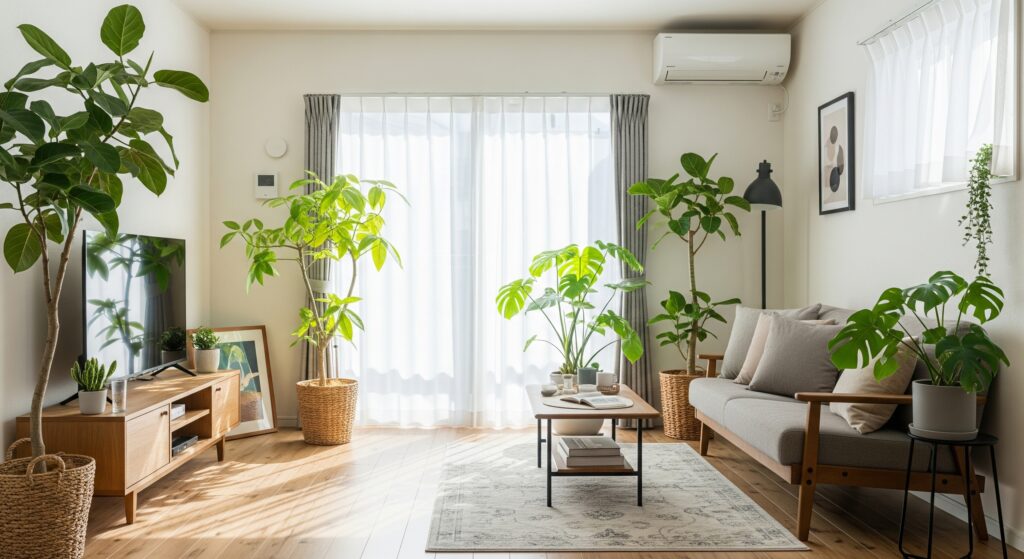
Have you ever thought about adding houseplants to your vacation rental? Beyond their beauty as interior decor, houseplants can have a wonderful positive impact on a space in many ways. That said, managing plants in the unique environment of a short-term rental does come with a few challenges to consider.
“Do houseplants really suit a vacation rental?”
“Maintenance seems like a hassle—are there real benefits?”
“Which plants should I choose?”
If you’ve been asking yourself these questions, this article thoroughly breaks down the pros and cons of adding houseplants to your vacation rental. We’ll give you concrete information to help you decide whether houseplants are right for your property and what to watch out for, so please read through to the end and use it to create the best possible space.
The Benefits of Houseplants in a Vacation Rental
Let’s start by looking at the various benefits houseplants can bring to your vacation rental. Beyond visual appeal, they can also offer hidden benefits that enhance your guests’ overall stay.
1. Bringing a Sense of “Comfort” and “Calm” to the Space
The greatest charm of houseplants is that their natural beauty brings comfort and calm to a space. For guests looking to unwind from the fatigue of travel and experience something outside their everyday routine, a room with greenery becomes an oasis for the mind.
- Visual refreshment effect: Green is said to be easy on the eyes and to have a relaxing effect. For business travelers working on their laptops or guests worn out from sightseeing, the sight of greenery offers a soothing sense of comfort.
- Creating a sense of the extraordinary: Adding houseplants to an otherwise plain space brings warmth and a touch of nature, creating that **”cozy, homey feeling”** unique to vacation rentals that hotels simply can’t match.
2. Interior Appeal and the “Instagrammable” Effect
Houseplants are, in and of themselves, excellent interior design pieces. They blend well with virtually any room style and instantly give a space a stylish, polished look.
- An accent for the space: Even in a simple room, plants add depth and dramatically boost the overall aesthetic appeal.
- Photogenic appeal: Today’s guests frequently post photos of their accommodations on social media, and **”Instagrammability”** directly drives bookings. Houseplants make an entire room more photogenic, increasing the likelihood of social media shares.
3. Air-Purifying Effects (Also Helps Prevent Sick House Syndrome)
It’s been scientifically proven that houseplants have an **”air-purifying effect”—absorbing and breaking down harmful substances in the air while releasing oxygen.**
- Removing harmful substances: Plants absorb harmful compounds like formaldehyde and xylene released from building materials and furniture, helping keep indoor air clean. This is also effective as a measure against what’s known as **”Sick House Syndrome.”**
- Humidity regulation: Since plants release moisture through their leaves, they can also help maintain a comfortable level of indoor humidity—particularly valuable during the dry winter months.
- Refreshing effect: A compound called phytoncide, released by plants, is said to offer the same relaxing effects as forest bathing, as well as a deodorizing effect.
4. Boosting Guest Satisfaction and Contributing to Positive Reviews
All the benefits mentioned above ultimately work to increase guest satisfaction during their stay, which raises the likelihood of positive reviews.
- Positive feedback like “The room was so comfortable” or “The greenery was so relaxing” encourages future guests to book.
- Well-maintained plants also convey the host’s attentiveness and hospitality, building trust with guests.
5. An Eco-Friendly Image Boost
In an era of growing awareness around the SDGs and sustainability, incorporating houseplants can also help build the image of an environmentally conscious property. This can appeal to eco-minded guests as well.
Drawbacks and Considerations of Houseplants in a Vacation Rental
While there are many benefits, there are also several drawbacks and important considerations when it comes to keeping houseplants in the unique operating environment of a vacation rental. It’s important to understand these in advance and put measures in place to address them.
1. The Time and Cost of Maintenance
Houseplants are living things. Naturally, this means they require proper time and money to maintain.
- Watering: Watering frequency varies depending on the plant type, season, and room temperature. You’ll need to clearly communicate proper watering instructions to your cleaning staff or management company and ensure they’re followed consistently. Underwatering will kill the plant, while overwatering can cause root rot.
- Adjusting sunlight and placement: Different plants require different amounts of sunlight. If you can’t place a plant in an ideal spot, it may weaken over time.
- Pest control: Poor air circulation or insufficient care can lead to pests like spider mites, aphids, or fungus gnats. This can make guests uncomfortable and, while rare, carries some health risk. Regular checks and pesticide treatment when needed are necessary.
- Leaf care: Routine maintenance like removing dead leaves and wiping off dust is also required.
- Repotting and fertilizing: As plants grow, you may need to repot them every few years and add fertilizer periodically.
- Cost: Beyond the initial purchase price of the plant, you’ll also incur costs for pots, soil, fertilizer, pest treatments, and—perhaps most significantly—the labor and time required for ongoing care.
If you introduce plants without accounting for this time and cost, they may end up dying—which can actually make your space look worse and leave a bad impression on guests.
2. Allergy Concerns
Certain houseplants can trigger allergies. Depending on the type of plant, there’s a possibility of causing hay fever-like symptoms or contact dermatitis.
- Pollen: Flowering plants aren’t ideal for guests with pollen allergies. If you’re placing plants in your rental, choose varieties that produce little to no pollen.
- Sap: Some plants, such as rubber trees and pothos, can cause skin irritation when their sap comes into contact with skin. Since guests may accidentally touch them, this is worth keeping in mind.
Being considerate of guests with allergies is also part of a host’s responsibility. It’s important to research allergy-related information in advance and choose lower-risk plant varieties.
3. Risk of Ingestion (Especially with Children or Pets)
Some houseplants are toxic. If guests traveling with small children or pets stay at your property, there’s a risk that the plant could accidentally be put in someone’s mouth.
- Avoiding toxic plants: Many common houseplants—including pothos, dieffenbachia, alocasia, and rubber trees—have some degree of toxicity. As a general rule, these aren’t well suited for vacation rentals.
- Careful placement: If you really want to include one of these plants, be extremely careful to place it somewhere out of reach of children and pets.
4. Risk of Damage or Stains
Guest accidents or mistakes during cleaning can lead to plants tipping over, pots cracking, or soil spilling and staining the floor.
- Sturdy, stable pots: Choose heavy, stable pots and place them in locations where they’re less likely to be knocked over.
- Preventing water leaks: Always use a saucer underneath the pot to catch excess water, and make sure your cleaning staff are instructed to water carefully.
5. Care Challenges During Extended Absences
If you live far from your rental property, or if you’re unable to visit frequently, caring for plants during extended periods of absence becomes a challenge. Simply asking cleaning staff to water plants during each turnover may not be enough, so consider installing a self-watering system or hiring a reliable property management service.
How to Choose and Care for Houseplants Suited to Vacation Rentals
To minimize the drawbacks and maximize the benefits, here are some tips for choosing and caring for houseplants that work well in a vacation rental setting.
1. Choose Easy-to-Grow, Hardy Varieties
In a vacation rental environment, hosts can’t tend to plants every single day. That’s why the top priority is choosing low-maintenance, hardy varieties.
- Beginner-friendly varieties: Snake plant, ficus microcarpa (banyan), money tree (pachira), monstera, pothos (⚠️ toxic, so be mindful of placement), and dracaena are all good options. These tend to be resilient even with infrequent watering and are less prone to pests.
- Slow-growing varieties: Choosing plants that grow relatively slowly means less frequent pruning and repotting, making them easier to maintain.
2. Choose Non-Toxic, Low-Allergy Varieties
Prioritize guest safety by choosing non-toxic or extremely low-toxicity varieties. Also, look for plants that are pollen-free and have non-irritating sap to minimize allergy risks.
- Plants to avoid: It’s wise to steer clear of plants known to be toxic, such as pothos, dieffenbachia, alocasia, and rubber trees.
3. Consider Placement and Sunlight
Choose the optimal location for each plant based on its specific needs.
- Sunlight requirements: Shade-tolerant plants (such as snake plants or pothos) can be placed in dimmer corners of a room. Sun-loving plants (such as money trees or ficus microcarpa) should be placed near windows or other well-lit areas.
- Air circulation: Choose a spot with good air circulation to prevent mold and pest issues.
4. Create and Share a Care Manual
Put together a simple care guide detailing watering frequency, amounts, and maintenance instructions for each plant, and share it with your cleaning staff or property management team.
- Give specific instructions, such as “Water with about one cup every X days” or “Wipe leaves when dusty.”
- Using a soil moisture indicator (which changes color based on moisture level) can make monitoring easier.
5. Consider Faux Greenery Too
If you feel unsure about maintaining live plants, **high-quality faux greenery (artificial houseplants)** is another great option to consider.
- Benefits: No watering or maintenance required, no risk of the plant dying, no pest issues, and no allergy concerns.
- Drawbacks: Faux plants don’t offer air-purifying or humidity-regulating benefits. Cheaper options can also look artificial, which might actually detract from your space’s appearance.
- How to choose: These days, many high-quality faux plants are crafted so realistically they’re hard to distinguish from the real thing. Even if it costs a bit more, opt for the most realistic-looking option.
Summary
Adding houseplants to your vacation rental offers many benefits, including bringing comfort and calm to your space, enhancing its interior appeal, and providing air-purifying effects. These factors work together to boost guest satisfaction, ultimately leading to better reviews and stronger bookings.
At the same time, drawbacks such as the time and cost of maintenance (watering, pest control, etc.), allergy and ingestion risks, and challenges managing plants during extended absences shouldn’t be overlooked.
It’s important to fully understand both the pros and cons and decide whether houseplants fit your rental’s operating style and concept. If you do decide to move forward, choose hardy, non-toxic, low-allergy varieties and thoroughly prepare by creating and sharing a proper care manual.
If caring for live plants still feels daunting, high-quality faux greenery is a perfectly valid alternative. With a bit of thoughtful planning, you can create an inviting vacation rental space where guests can truly relax.
Reach Out to Stay Buddy for Space Design and Operational Efficiency Advice
“I’d like advice on interior coordination for my vacation rental.”
“I’m considering houseplants but worried about maintenance.”
“I want tips on space design and operational efficiency to boost guest satisfaction.”
Do any of these concerns about your vacation rental’s design or operations sound familiar?
At Stay Buddy Inc., our expert team offers comprehensive support—from creating inviting spaces to streamlining cleaning and maintenance, developing booking strategies, and uncovering the secrets to earning top reviews. Let us help make your vacation rental the best possible destination for your guests. Feel free to reach out to us anytime.