Leave Your Minpaku Management to Us
Free Online ConsultationSummer brings a surge in travel demand, and occupancy rates for minpaku properties naturally rise along with it. As guests seek accommodations that serve as convenient bases for beaches, mountains, and seasonal events, Japan’s hot and humid summer also makes it harder to maintain a clean, hygienic indoor environment. Mold and bacteria grow faster, air conditioner interiors get dirty more quickly, and other issues that rarely cross your mind during the rest of the year suddenly demand attention.
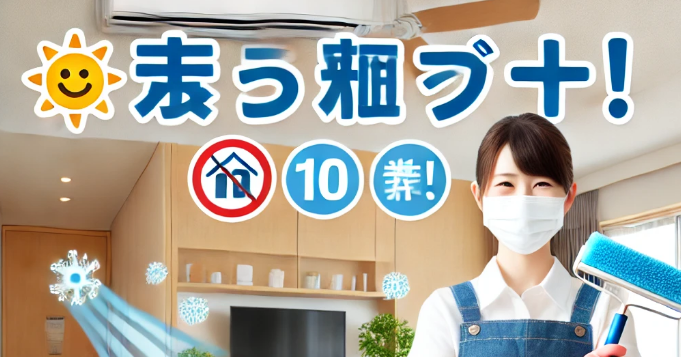
This article covers “10 Key Points for Summer Minpaku Cleaning,” focusing on how to maintain cleanliness and comfort so guests can enjoy a pleasant stay despite the hot, humid conditions. With inbound tourism on the rise once again, guests from all over the world are visiting Japan. Many travelers are unaccustomed to this kind of climate, so thorough cleaning and maintenance can go a long way toward boosting review scores and encouraging repeat bookings.
Summer is also a demanding season for cleaning staff. With daily room checks and linen changes to handle, heatstroke risk and overall health management become real concerns. This article looks at all 10 key points not just from the owner’s perspective, but also with an eye toward cleaning staff wellbeing and work efficiency. It’s packed with tips to strengthen your cleaning operations and boost guest satisfaction, so be sure to read through to the end.
Leave Your Minpaku Management to Us
Free Online Consultation1. Thorough Air Conditioner Cleaning and Filter Maintenance
1-1. Air Conditioner Grime Becomes More Obvious in Summer
The first thing to prioritize in summer minpaku cleaning is a thorough cleaning of the air conditioner. While cooling, air conditioners draw in room air and tend to form condensation, which lets mold and dust build up inside. If a guest checks in and turns on the AC only to be greeted by a musty smell or weak cooling, it will almost certainly result in a negative review. International guests in particular tend to be sensitive to odors indoors, and a foul smell coming from the air conditioner can be a significant black mark.
1-2. Filter Cleaning and Aluminum Fin Washing
Regularly removing and washing the air conditioner filter is essential, but if possible, cleaning the aluminum fins (heat exchanger) as well will improve both cooling efficiency and overall cleanliness. Professional cleaning services do cost money, but it’s worth considering a regular schedule based on your annual occupancy rate and number of units. A clogged filter leads to higher electricity bills and more internal condensation, which in turn raises the risk of mold growth.
1-3. Using Deodorizing Products
Deodorizing and disinfecting sprays designed for air conditioner vents, as well as over-the-counter anti-mold treatments, can provide a quick refresh before a guest checks in. That said, these are only supplementary measures—professional cleaning and careful filter washing remain essential at the core. In summer, it’s not an exaggeration to say that the air conditioner largely determines a guest’s first impression of the room, so it’s worth prioritizing AC care in your cleaning schedule.
Leave Your Minpaku Management to Us
Free Online Consultation2. Humidity Control and Mold Prevention
2-1. High Humidity from Rainy Season Through Midsummer Invites Trouble
Humidity in Japan spikes sharply starting with the rainy season and continues through midsummer. Bathrooms, sinks, kitchens, and other wet areas become prime breeding grounds for mold. If mold odor transfers onto towels or slippers that guests use, overall satisfaction with their stay will drop significantly. Also, be aware that moisture trapped behind wallpaper or inside closets can lead to mold growth in spots that aren’t easily visible, making it easy to miss.
2-2. Using Dehumidifiers and Circulators
Dehumidifiers and circulator fans are effective tools for managing humidity. Running a dehumidifier not only during cleaning but also before a guest arrives helps lower the overall humidity in the room and reduce the risk of mold. This is especially important for long-stay guests, since drying laundry indoors can cause humidity to spike quickly—keeping a circulator in the room to keep air moving is a smart solution.
2-3. Targeting Key Areas with Chlorine-Based Cleaners and Alcohol Disinfectant
During the high-humidity summer months, it’s important to focus disinfection efforts on spots where mold and bacteria tend to thrive—bathroom tile grout, gaps around the sink, and areas around the kitchen sink. Using mold removers, chlorine-based bleach, and alcohol disinfectant sprays as appropriate for each situation reduces risk even in spots that aren’t visible at a glance. Rather than simply wiping surfaces and calling it done, going a step further with your cleaning creates a sense of cleanliness that exceeds what guests can see.
3. Managing Linens and Replacement Cycles
3-1. Heavy Sweating and High Heat Wear Down Linens Faster
During summer stays, guests tend to sweat heavily, causing sheets, pillowcases, and towels to become soiled or develop odors more quickly. During extended stays in particular, towels left hanging in the room can develop bacteria and unpleasant smells over time. It’s worth revisiting your linen replacement schedule and swapping in fresh linens more frequently than usual during summer.
3-2. Strengthening Coordination with Linen Suppliers
For larger minpaku properties or those managing multiple units, close coordination with linen suppliers is essential. Since demand rises in summer, suppliers’ schedules tend to get busy as well. Coordinate your peak-season schedule early to avoid running short. Also make sure to keep extra towels and sheets on hand so you can maintain a smooth replacement process.
3-3. Reviewing Your Washing and Drying Process
If you handle washing and drying in-house, rainy season and typhoon season can make air-drying difficult, slowing down the drying process. Storing linens before they’re fully dry can lead to mold and odors, so be careful. Make full use of dehumidifiers and dryers to ensure linens are completely dry. To prevent that musty “not-quite-dry” smell, it’s also a good idea to regularly clean your washing machine drum and use antibacterial detergent.
4. Thorough Trash and Food Waste Management
4-1. Trash Rots Faster in Summer
Food waste and leftovers decompose faster in hot weather, raising concerns about bad odors and pests. Since minpaku guests are free to cook and eat as they please, unexpectedly large amounts of trash can pile up. Check the kitchen sink and trash cans during cleaning, and regularly confirm that burnable trash isn’t being left sitting around.
4-2. Using Odor-Blocking Bags and Sealed Containers
Food waste tossed directly into a trash can will almost always produce odor leakage. Make it a rule to use odor-blocking trash bags or sealed containers and take out the trash to the outdoor collection point frequently. When handling particularly pungent foods (like fish or meat), it’s also important to provide clear guidance so guests don’t run into trouble disposing of it themselves. Posting simple instructions—such as “Please dispose of trash here”—in English with illustrations can help put guests at ease.
4-3. Checking the Refrigerator for Leftover Food
It’s not uncommon for long-stay guests to leave food or half-finished drinks in the fridge after checking out. If this goes unnoticed, the next guest may walk into a room filled with the smell of rot or mold. Always check inside the refrigerator during cleaning and promptly dispose of anything unnecessary. Disinfecting the shelves and door seals with alcohol can also help eliminate the source of any lingering odors.
Leave Your Minpaku Management to Us
Free Online Consultation5. Mold and Odor Prevention in Bathrooms and Toilets
5-1. Wet Areas Have an Outsized Impact on Reviews
One of the things many guests, including international travelers, care most about is the cleanliness of the bathroom and toilet. Since summer’s heat and humidity create ideal conditions for mold and mineral buildup to appear quickly, frequent cleaning becomes even more critical. Thoroughly scrubbing spots that are easy to overlook—like ceiling corners and wall edges—and treating them with mold remover from the earliest stage makes it much easier to prevent dark stains and pink mold from forming in the bathroom.
5-2. Ventilation Fan Maintenance
If the bathroom or toilet ventilation fan is clogged with dust, its efficiency drops and moisture builds up more easily. Since guests shower more often in summer, it’s important to make sure the ventilation fan is in good working condition. Remove the cover to clean the filter, and clean inside the fan itself to keep the airflow clear. If this proves too difficult for owners or cleaning staff to handle, calling in a specialist is also an option.
5-3. Toilet Deodorizing and Disinfecting the Surrounding Area
Odors tend to build up in the toilet during hot weather. Wipe down not just the inside of the bowl and underside of the seat, but also the gaps around the floor and walls and the tank area with alcohol to eliminate odors at their source. Deodorizing sprays and air fresheners can help too, but merely masking smells temporarily won’t actually improve how guests feel about your property. Thoroughly removing the physical grime is what true odor prevention looks like.
6. Odor and Hygiene Management in the Kitchen and Dining Area
6-1. Watch Out for Grease and Leftover Food
Cooking in summer can leave more grease buildup, and some guests may prepare strongly aromatic dishes. Grease splatter on kitchen walls, ventilation fans, and around the stovetop becomes sticky and starts to smell if left unattended. Check for burnt-on residue or grease stains during cleaning, and use a neutral detergent or a specialized degreaser to remove it thoroughly.
6-2. Thorough Care for the Sink Drain
The sink drain is a spot where food scraps and detergent residue tend to accumulate, making it a hotbed for bacteria in summer. Remove the drain basket and cover to wash them, and be sure to disinfect the strainer thoroughly. Using chlorine-based bleach to disinfect all the way down the drain helps prevent foul odors. Since “how thoroughly you handle hidden areas” directly affects how guests rate your property, even during checkout cleaning, don’t skip these checks.
6-3. Checking the Freezer and Vegetable Compartment
Within the refrigerator, the freezer and vegetable compartments are often overlooked. The vegetable compartment in particular tends to be humid, and it’s not unusual to find vegetable scraps and dirt accumulating there. Some foods can turn mushy in the summer heat, so it’s a good idea to periodically remove everything and wipe the compartment down thoroughly. Food left in the freezer is less likely to spoil, but leaking packages or unwrapped items can still cause odors to transfer.
7. Preventing Insects from Entering
7-1. The Big Three: Cockroaches, Mosquitoes, and Flies
The most common summer pest problems involve cockroaches, mosquitoes, and flies. All three raise hygiene concerns and can make guests uncomfortable, so it’s important to seal off entry points in advance. Apply weatherstripping tape to gaps around windows and doors, and keep water in drains to help block entry as much as possible. Since flies breed quickly around uncollected food waste, be sure to take out the trash frequently.
7-2. Using Insecticides and Pest-Control Products
It’s worth considering the use of insecticide sprays or fumigation products. That said, applying too much right before a guest arrives can leave a chemical smell in the room, which can backfire. Keeping items guests can use on their own, such as mosquito coils or electric mosquito repellent devices, on hand can provide peace of mind. Depending on your location and building structure, scheduling regular maintenance visits from a professional pest control company is another option worth considering.
7-3. Watch for Dried-Out Drain Traps
Sinks, bathrooms, or vacant rooms that aren’t used often can have water evaporate from their drain traps, causing the trap to stop functioning. When that happens, cockroaches and other pests can more easily enter through the sewer line. For faucets or drains that go unused for extended periods, it’s important to periodically run water through them or refill the water seal. Since evaporation happens faster in summer heat, a trap can dry out after just a few days of disuse.
8. Heatstroke Prevention for Cleaning Staff
8-1. Even Indoor Work Requires Caution
During summer minpaku cleaning, staff move between multiple rooms in a single day, vacuuming and wiping down surfaces, which takes a real physical toll. Working for extended periods in a room with the AC off or while ventilating can raise the risk of heatstroke even indoors. As an owner, it’s important to be mindful of staff health and reconsider how cleaning schedules are structured and how the work environment is set up.
8-2. Frequent Hydration and Breaks
It’s a good idea to keep drinking water, sports drinks, and salt candy on hand in each floor’s storage area or the management office so cleaning staff can stay hydrated and replenish electrolytes. Rushing staff through their work by cutting breaks short can lower cleaning quality or cause staff to fall ill and be unable to work, ultimately having a bigger negative impact overall. To balance efficiency with health, it’s important to build short, frequent breaks into the cleaning schedule.
8-3. Reconsidering Uniforms and Safety Footwear
If cleaning staff wear uniforms made of low-breathability material, or only long sleeves and long pants, their body temperature can rise quickly in summer. Switching to quick-drying, breathable fabrics for uniforms and work clothes can significantly improve comfort. If safety shoes are required, choosing mesh or lightweight designs can help reduce the physical strain of the job.
9. Accommodating Long-Stay Guests
9-1. Timing for Trash Collection and Towel Changes
In summer, long-stay and extended-stay guests require more careful cleaning arrangements than short-term visitors. For example, communicating in advance with guests about how often towels will be changed or when trash will be collected can help avoid confusion. Setting up a system for staff to visit regularly and collect trash can also reduce the risk of pests and bad odors.
9-2. Managing Room Temperature
If long-stay guests turn off the air conditioner while out, the room can become hot and humid, and guests returning at night may notice a musty or damp smell. One option is to leave a note at check-in explaining that keeping the AC on low cooling or dehumidify mode while out helps maintain a comfortable indoor environment. That said, since some guests are conscious about energy use, avoid being pushy—frame it as a suggestion or friendly reminder rather than a rule.
9-3. Offering Optional Linen and Cleaning Services
For long-stay guests, offering additional cleaning or linen changes as a paid or free option is another approach worth considering. Letting guests know they can request service whenever they need it allows you to flexibly meet their needs, which can boost review scores over time. Since frequent cleaning tends to be especially welcomed in summer, clearly stating this option in your pricing plan may encourage more guests to take advantage of it.
10. The Key to Better Reviews and Repeat Guests
10-1. A Comfortable Summer Stay Leads to Positive Reviews
Most travelers check reviews before booking a minpaku, paying particular attention to cleanliness and comfort. Since many guests struggle with Japan’s uniquely hot, humid summers, reviews mentioning things like “the AC kept us comfortable” or “the place was impressively clean” can be a deciding factor. On the flip side, negative comments about musty smells or leftover trash can quickly cause bookings to decline, which is why maintaining consistently high cleaning standards day after day is so important.
10-2. Using Follow-Up Messages
After a guest checks out, sending a follow-up message asking something like “We hope you had a comfortable stay—how was everything?” is an effective way to gather feedback and requests. If you receive positive feedback, encourage them to leave a review; if there’s a complaint, taking it seriously as an area for improvement gives you valuable material for raising your operational standards going forward. Collecting feedback specifically about your summer cleaning and services is also extremely useful for planning improvements ahead of the next season.
10-3. Taking a Long-Term View of Your Cleaning Plan
Minpaku management faces different challenges depending on the season, but few seasons demand as much cleaning effort as summer. That’s precisely why putting careful, well-planned effort into your peak summer cleaning routine pays off in higher guest ratings and repeat bookings. Focus on renovations and maintenance during winter or the off-season, and by building a property that plays to its strengths in each season, you can look forward to stable, long-term operations.
[Summary] Summer Cleaning Determines Minpaku Quality
Summer is peak travel season, but it’s also one of the toughest times of year to manage cleaning and hygiene, given the heat, humidity, and increase in pests. From cleaning air conditioner filters and preventing mold to thoroughly managing trash and wet areas and protecting staff from heatstroke, you need to approach prevention and maintenance from multiple angles. Keeping the 10 points covered in this article in mind should help you significantly reduce guest complaints and make it easier to provide a comfortable stay.
The success of a minpaku property hinges heavily on cleanliness. A property that stays comfortable throughout the summer earns high marks from guests and becomes the kind of place that gets booked year-round. Thorough cleaning and maintenance lead to better review scores and more repeat guests, which ultimately contributes significantly to higher revenue. By putting solid summer measures in place, you can work toward stable operations all year long.
Contact Stay Buddy Inc.
If you’re looking to strengthen your minpaku cleaning system, tackle summer mold and pest issues, or manage staffing and multilingual guest support, feel free to reach out to Stay Buddy Inc. We offer wide-ranging support that goes beyond permit applications and interior coordination, extending to cleaning and guest response services as well. With extensive know-how and experience in boosting guest satisfaction and achieving stable minpaku operations, we’re happy to answer any questions you may have.