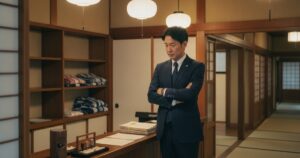
For owners running a minpaku (vacation rental) in Otaru, handling issues with inbound guests can be a heavy burden. Language barriers, cultural differences, and late-night emergency calls all push the limits of what an individual can manage alone. That’s why more owners are turning to management companies to run their Otaru properties on their behalf. By outsourcing operations, you can dramatically reduce the burden of trouble-shooting while simultaneously boosting guest satisfaction and profitability.
Otaru is a city brimming with appeal for international tourists—its historic canal, heritage buildings, glasswork, sushi and other seafood cuisine all draw visitors from abroad. As inbound demand rises across Hokkaido, more and more minpaku properties are opening in the Otaru area as well. At the same time, many owners end up giving up on operations altogether due to the difficulties of guest management.
This article outlines specific troubles that commonly arise with inbound guests when running a minpaku in Otaru, and explains in detail the benefits of outsourcing to a management company. If you’re an owner struggling with the workload and risks of operations, please read on to the end.
Common Troubles with Inbound Guests at Otaru Minpaku Properties
Communication Breakdown Due to Language Barriers
The most common cause of trouble when dealing with inbound guests is the language barrier. Even routine communication—explaining check-in procedures, how to use appliances, or providing information about the surrounding area—can go poorly and quickly frustrate guests. On platforms like Airbnb, listings with a review rating below 4.5 are said to receive lower priority in search results, so a drop in reviews caused by poor communication directly leads to fewer bookings.
Foreign tourists visiting Otaru come not only from English-speaking countries but also from Chinese-, Korean-, and Thai-speaking regions, among others. Translation apps alone often fail to convey subtle nuances, and there are real reported cases where minor issues—like not knowing how to use the heater or not understanding garbage sorting rules—escalate into complaints or serious trouble.
Trouble with Neighbors Over Noise and Garbage Disposal
Because Otaru’s residential areas sit so close to its tourist districts, noise problems at minpaku properties are a serious concern. There have been cases where foreign guests throw late-night parties or talk loudly, prompting complaints from neighboring residents. One survey found that roughly 40% of neighbor disputes related to minpaku properties stem from noise issues.
Japan’s unique garbage-sorting rules are also notoriously confusing for foreign visitors. When guests repeatedly fail to sort their trash properly or miss collection days, relationships with neighborhood associations and building management can deteriorate—potentially making it impossible to continue operating the minpaku at all. Maintaining good relations with neighbors is an absolutely critical factor for sustainable long-term minpaku management.
Damaged Facilities and Missing Amenities
Due to cultural differences, guests unfamiliar with Japanese home appliances frequently end up damaging equipment. Typical examples include mishandling washlet toilet seats, misusing drum-type washing machines, and damaging shoji or fusuma sliding doors. Repair costs can range from a few thousand to tens of thousands of yen per incident, and when you factor in the lost revenue from having a unit out of service, the financial burden on owners is far from negligible.
Missing amenities are another issue that shouldn’t be overlooked. Towels, dishware, and remote controls sometimes disappear, and it’s not uncommon to lose contact with a guest entirely after checkout. For individual owners, dealing with these aftermath situations eats up time and energy that can end up interfering with their main job or daily life.
Trouble at Check-in and Check-out
Flight delays and transportation disruptions can result in guests requesting check-in in the middle of the night or early morning. Otaru is about 75 minutes by train from New Chitose Airport, and JR train delays are frequent during winter, making it an everyday challenge to accommodate guests who don’t arrive on schedule. Even when smart locks are installed, owners still regularly receive phone calls from guests who don’t know how to operate them.
If a room is left in extremely poor condition at checkout, it can disrupt the arrival of the next guest. If cleaning can’t be completed in time and a booking has to be canceled, the result isn’t just lost revenue—it can also trigger penalties on the platform. These kinds of cascading risks are extremely difficult for an individual operator to avoid.
Concrete Reasons to Outsource Your Otaru Minpaku Operations to a Management Company
Multilingual Support Improves Guest Satisfaction
Many management companies employ multilingual staff fluent in English, Chinese, Korean, and other languages. With round-the-clock support available for guest inquiries, trouble stemming from language barriers can be prevented before it starts. In fact, properties that introduced multilingual support have seen average review score improvements of 0.3 to 0.5 points.
An environment where guests can ask questions and get support in their native language provides real peace of mind. By offering consistent multilingual support—from pre-arrival guidance emails to in-stay assistance and post-checkout follow-up—owners can also expect increased repeat bookings and word-of-mouth referrals.
Immediate Response When Trouble Arises
Management companies maintain emergency response manuals and dedicated staff, allowing them to respond quickly to late-night noise complaints or equipment failures. Even in cases where an individual owner would be unable to respond—because they’re working or asleep—many management companies have systems in place to provide an initial response within 30 minutes.
When it comes to complaints from neighbors, having the management company serve as the point of contact greatly reduces the psychological burden on the owner. Because trouble is systematically recorded and reported, the risk of the same issue recurring is also reduced. Japan’s Private Lodging Business Act requires operators to have a complaint-response system in place, and outsourcing to a management company ensures this legal requirement is reliably met.
Consistent Cleaning and Maintenance Quality
Management companies have dedicated cleaning teams that reliably handle post-checkout cleaning and pre-check-in final inspections. Consistent cleaning quality is a critical factor in guest satisfaction. When a professional cleaning team handles the job, the typical cost per cleaning for a one-bedroom (1LDK) unit runs about 5,000–8,000 yen—but when you factor in the cost of complaints and repeat cleanings caused by inadequate service, the overall cost-performance ends up being higher.
Management companies also handle inventory management and restocking of consumables, preventing guest complaints like “we ran out of shampoo” or “there aren’t enough towels.” Regular checks for equipment damage or wear also help address issues before they require major repairs, contributing to the long-term preservation of the property’s value.
Reduced Burden of Legal Compliance and Registration Procedures
Running a minpaku involves a wide range of legal requirements, including registration under the Private Lodging Business Act, the 180-day annual operating limit, and periodic reporting obligations. Otaru City also has its own ordinances and rules, making it far from easy for an individual to fully understand and comply with everything on their own. If a violation is discovered, it can result in a business suspension order or fines of up to 1 million yen.
Management companies stay current on the latest regulations, so they can smoothly handle registration procedures and adapt to legal changes on your behalf. They can also advise on fire safety equipment requirements and the distinctions from the Hotel Business Act, helping minimize legal risk while ensuring stable operations.
Key Points to Check When Choosing a Management Company
Track Record and Service Scope in the Otaru Area
When choosing a management company, be sure to check whether they have a proven track record operating in the Otaru area. A company that understands the region’s characteristics will be well-equipped to handle challenges unique to Otaru, such as winter snow removal and pricing adjustments for the tourist season. If a company manages 10 or more properties, that’s a good indication they’ve accumulated solid operational know-how.
Scope of service is another important criterion. Companies that handle everything from guest support to listing creation and optimization, dynamic pricing, photography, and review management in one package can minimize the workload for owners. Compare partial-outsourcing and full-outsourcing plans, and choose the service that matches the level of involvement you want to maintain.
Fee Structure and Cost-Effectiveness
Management company fees typically range from 10% to 30% of revenue, depending on the company and the scope of services included. Some companies offer a flat monthly rate, which can be more cost-effective for properties with high occupancy rates. Beyond the fee percentage itself, it’s important to confirm in advance whether cleaning and linen costs are billed separately.
For example, for a property earning 300,000 yen per month with a 20% fee rate, the management fee would come to 60,000 yen. On the other hand, when you add up the time spent on guest support under self-management (20–30 hours per month), the cost of arranging cleaning services, and the opportunity cost of lost bookings due to unresolved issues, outsourcing proves to be a solid investment. Rather than simply choosing the lowest fee, it’s important to evaluate overall cost-effectiveness.
If You’re Struggling with Minpaku Management in Otaru, Talk to Stay Buddy Inc.
If you’re overwhelmed by inbound guest issues, or if you’re considering starting a minpaku business in Otaru but worried about the operational burden, please feel free to consult Stay Buddy Inc., a specialist in vacation rental management. We provide one-stop support for everything you need to run a minpaku—multilingual support, 24-hour guest assistance, cleaning arrangements, and legal compliance.
Stay Buddy Inc.’s mission is to maximize owner profitability while simultaneously enhancing guest satisfaction. We propose optimal management plans tailored to each property’s characteristics and location, helping improve occupancy rates and secure stable revenue.
We are always happy to offer free consultations regarding minpaku management in the Otaru area. Whether you already own a property or are considering acquiring one, we welcome your inquiry. Please feel free to reach out to Stay Buddy Inc. today.